Advanced
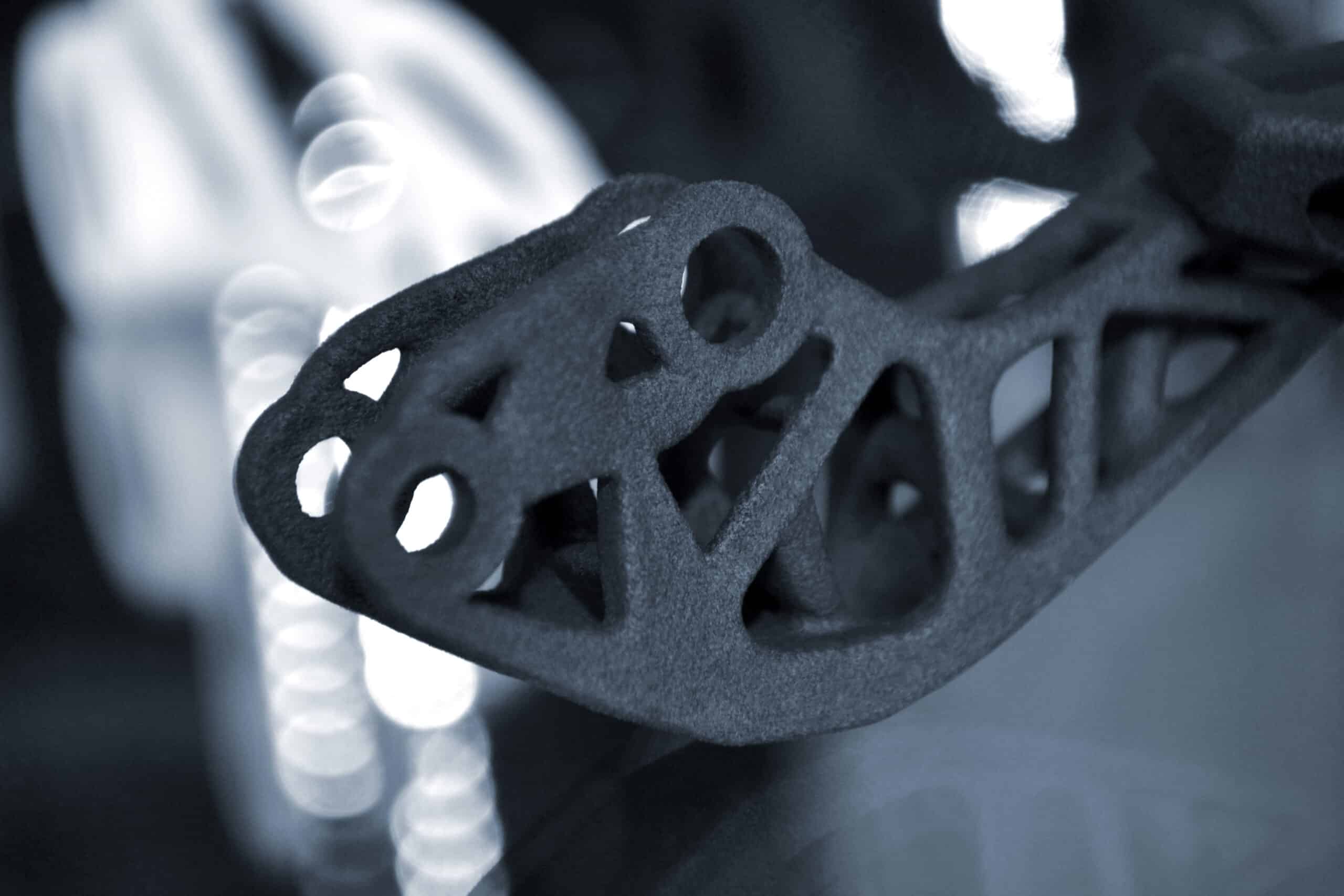
Vertical Fine Artifacts (VFA): Why Fine Vertical Stripes Show Up on Print Walls
Vertical fine artifacts are 10 to 40 micron ridges that repeat at the same point on every layer, visible only as a reflection on…
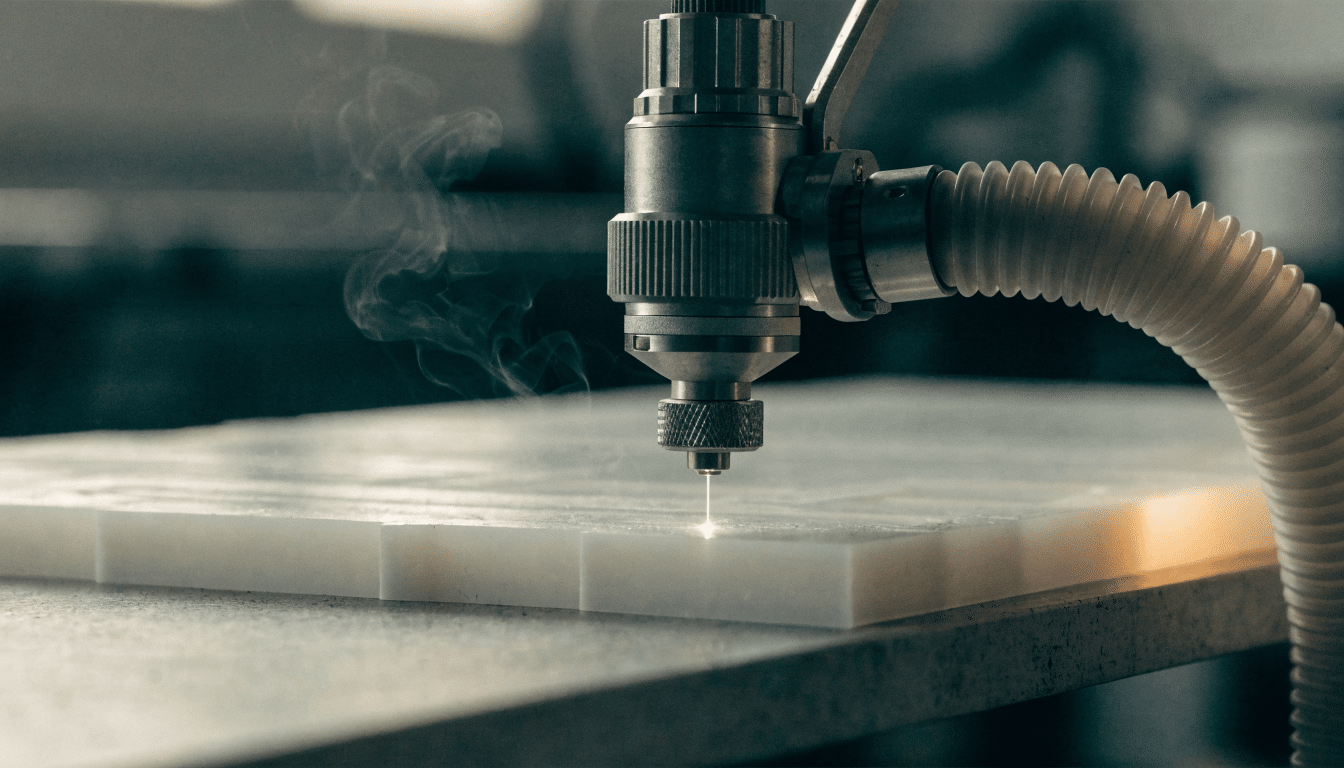
Laser Engraving 3D Prints: Material Safety, Focus, and Settings
Laser engraving lets you add text, logos, or fixes to a 3D print after the fact, but plastics and cured resin behave very differently…
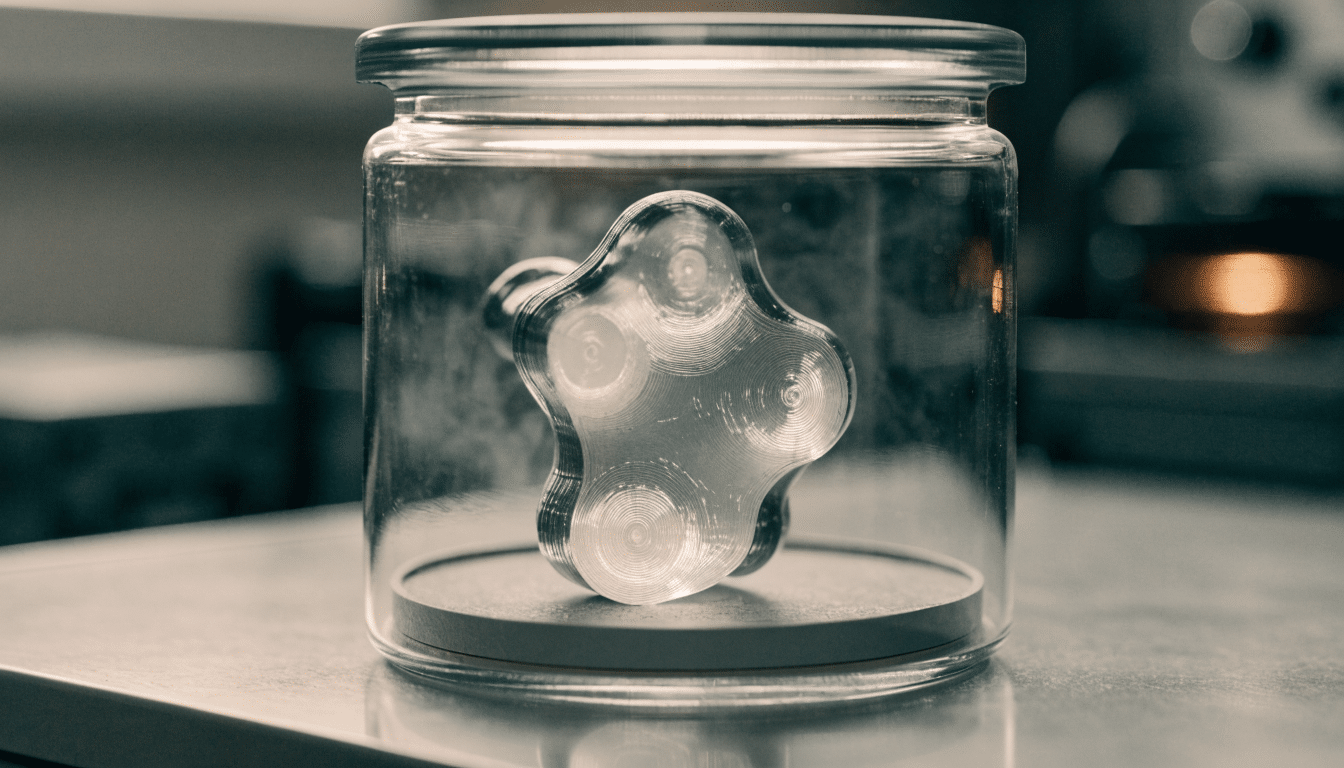
Acetone Vapor Smoothing: The Complete Safety and Process Guide
How acetone vapor turns rough ABS layer lines into a glossy, injection-molded finish, and the ventilation, fire, and handling precautions that make it safe…
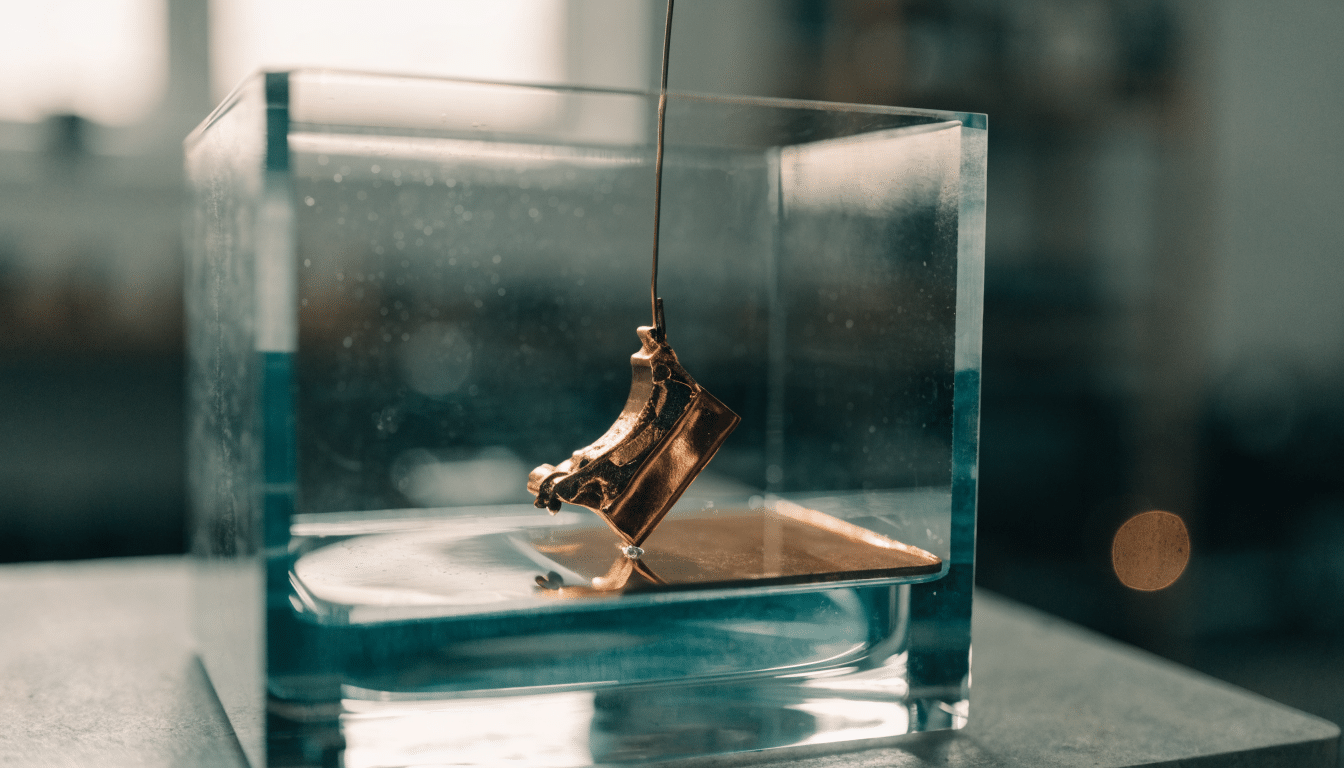
3D Print Electroplating: How to Turn a Plastic Part Into Real Metal
A practical walkthrough of copper electroplating for FDM and resin prints: making plastic conductive, plating it, and what results you can realistically expect.
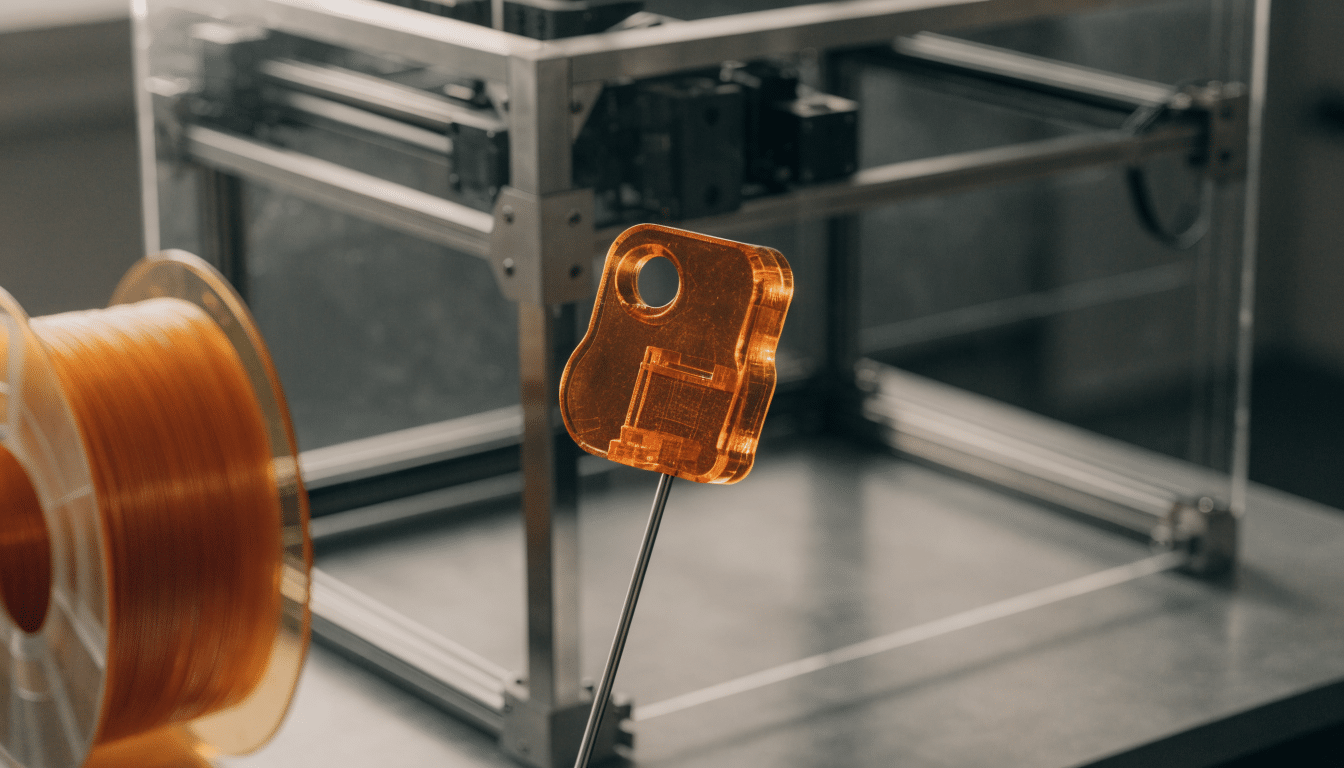
PEI / Ultem Filament: Aerospace-Grade Plastic That Costs Less Than PEEK
PEI, sold under the trade name ULTEM, is the amber engineering resin aerospace and medical parts reach for when PC and nylon fall short…
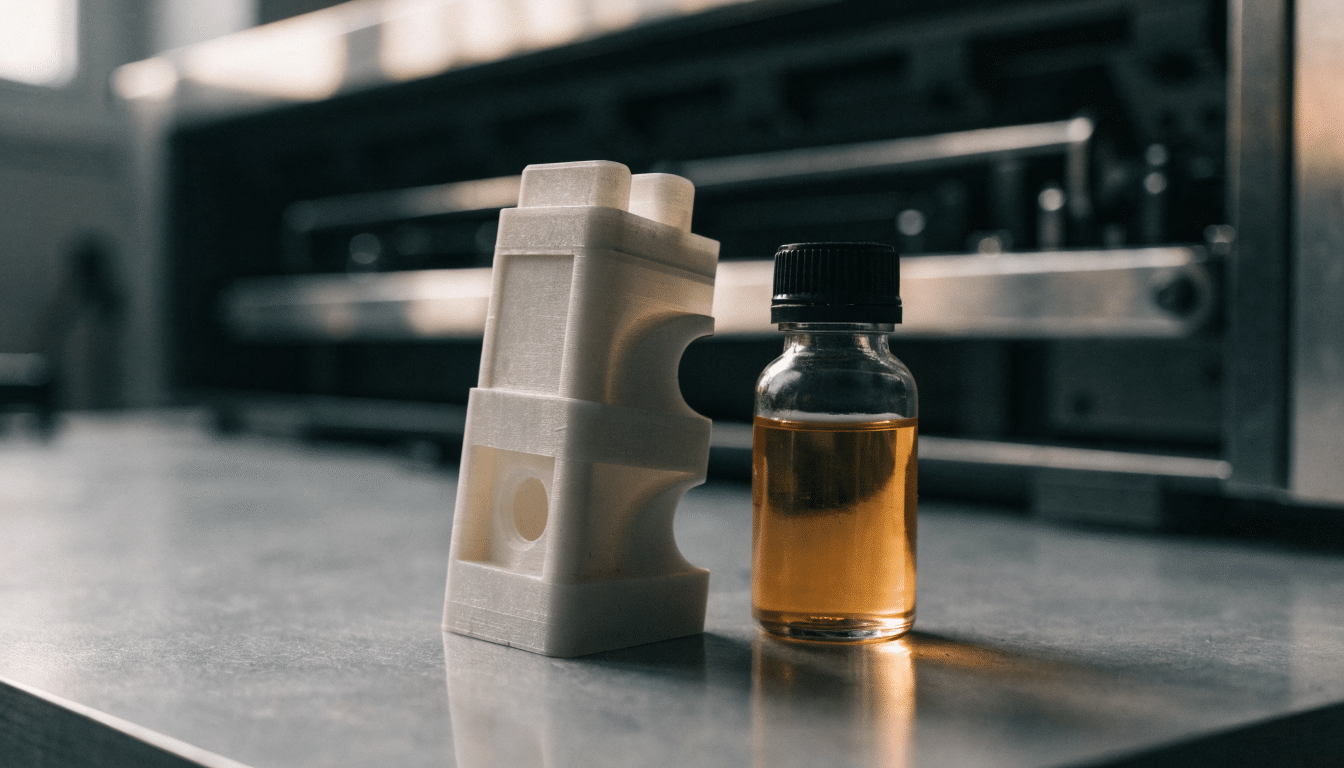
PPS Filament: Chemical Resistance That Rivals PEEK at a Fraction of the Cost
PPS resists almost any solvent below 200°C and self-extinguishes without additives, the reason chemical and automotive parts get specified in it over nylon or…
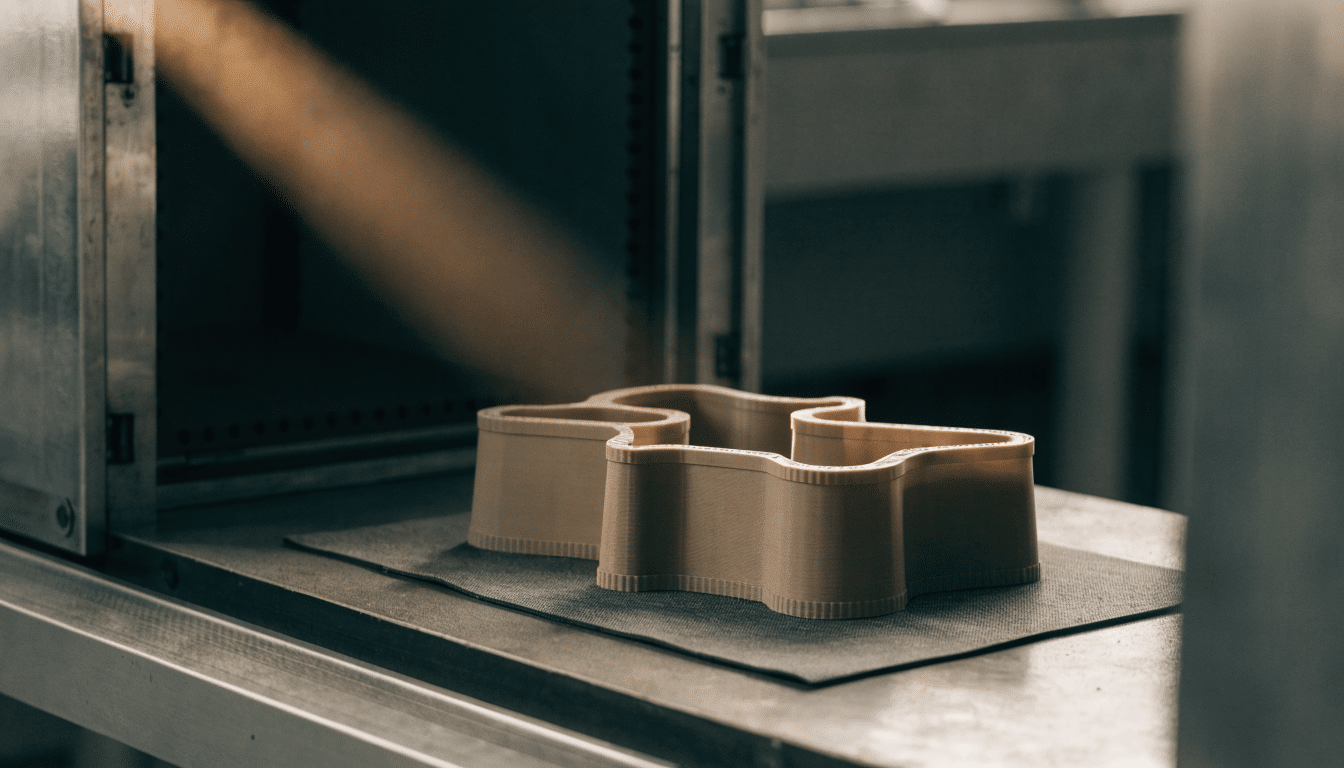
PEEK Filament: Why It’s Out of Reach for Most 3D Printers
PEEK is the filament aerospace and medical device makers reach for when nothing else survives the heat, chemicals, or sterilization cycle. Printing it needs…
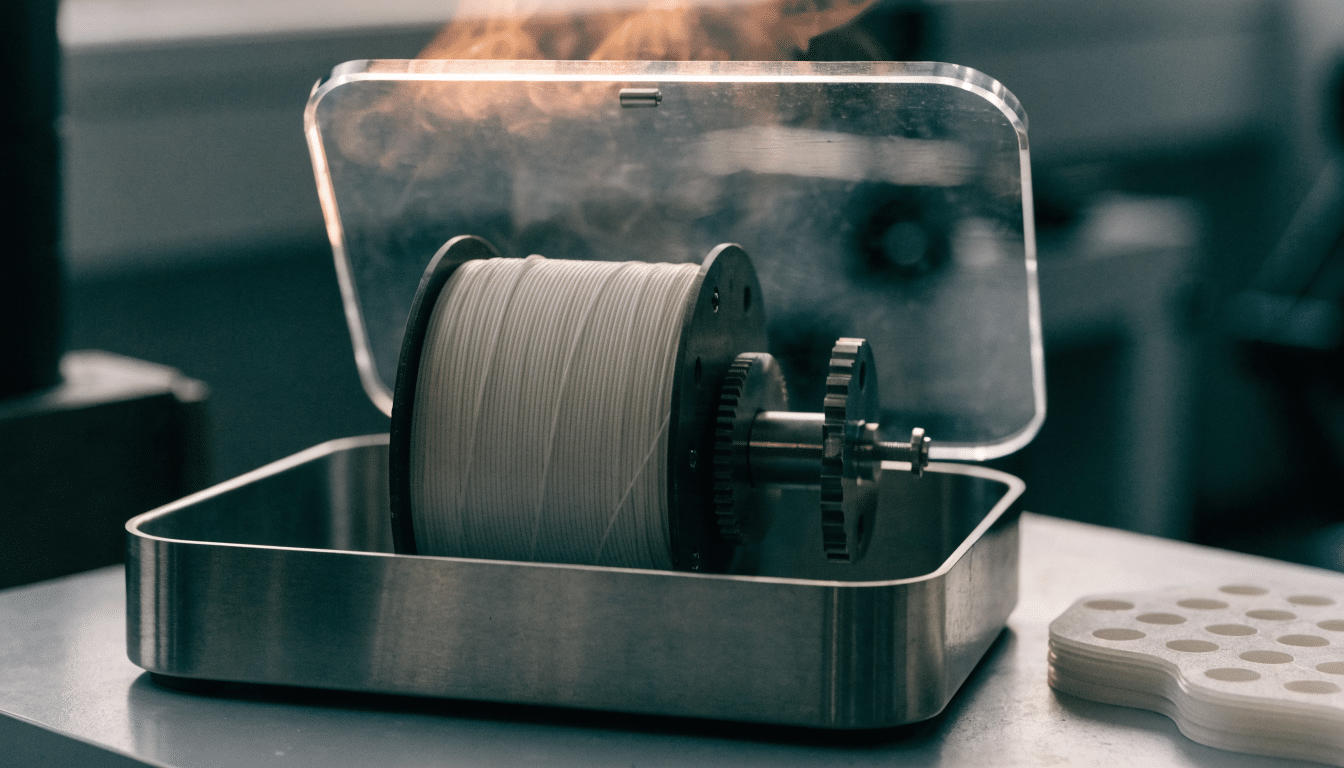
Nylon Print Settings: Nozzle Temp, Drying and Bed Adhesion
Nylon print settings for nozzle temp, drying, bed adhesion and enclosure use, covering how much PA6, PA12 and blended nylons like Taulman Bridge disagree…
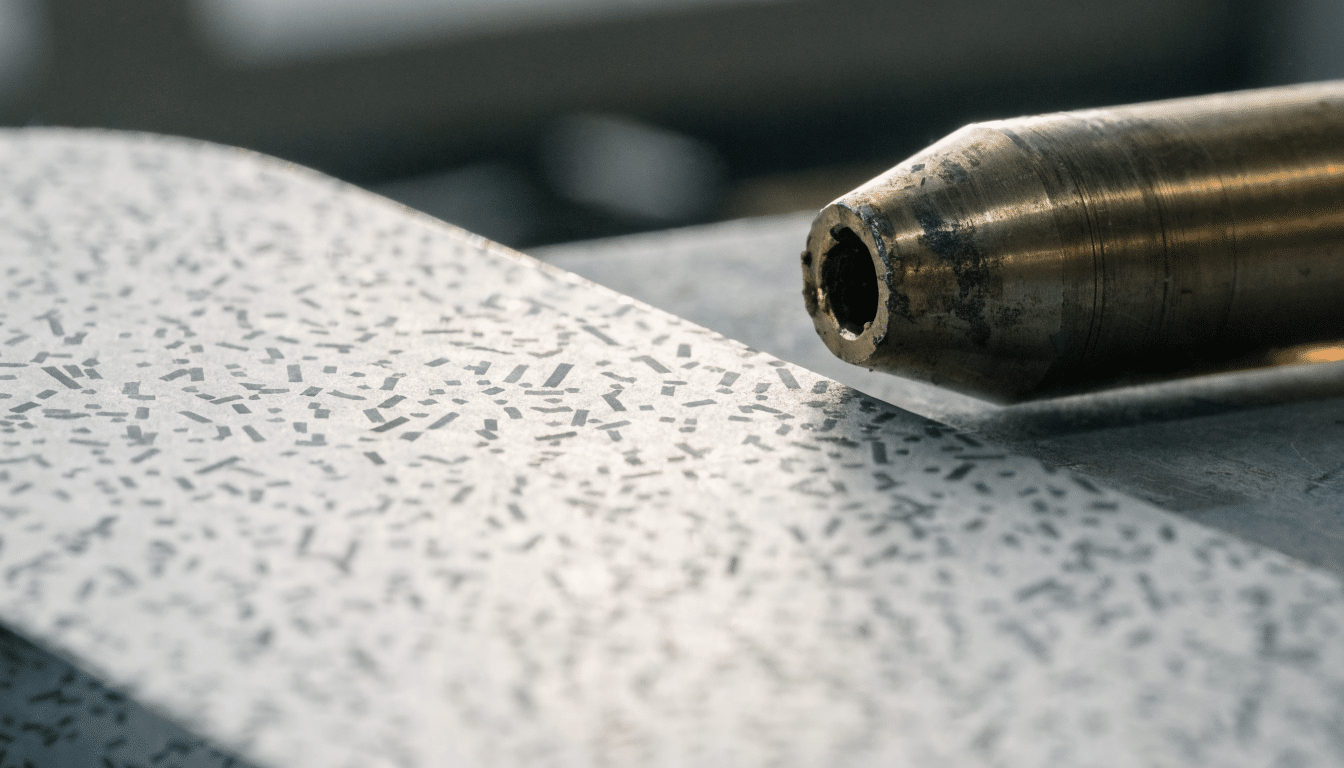
Carbon Fiber 3D Printing: What Carbon-Fiber Filament Actually Adds
What carbon-fiber-filled filament actually improves, what it does not, and why it needs a hardened nozzle no matter which base material you choose.
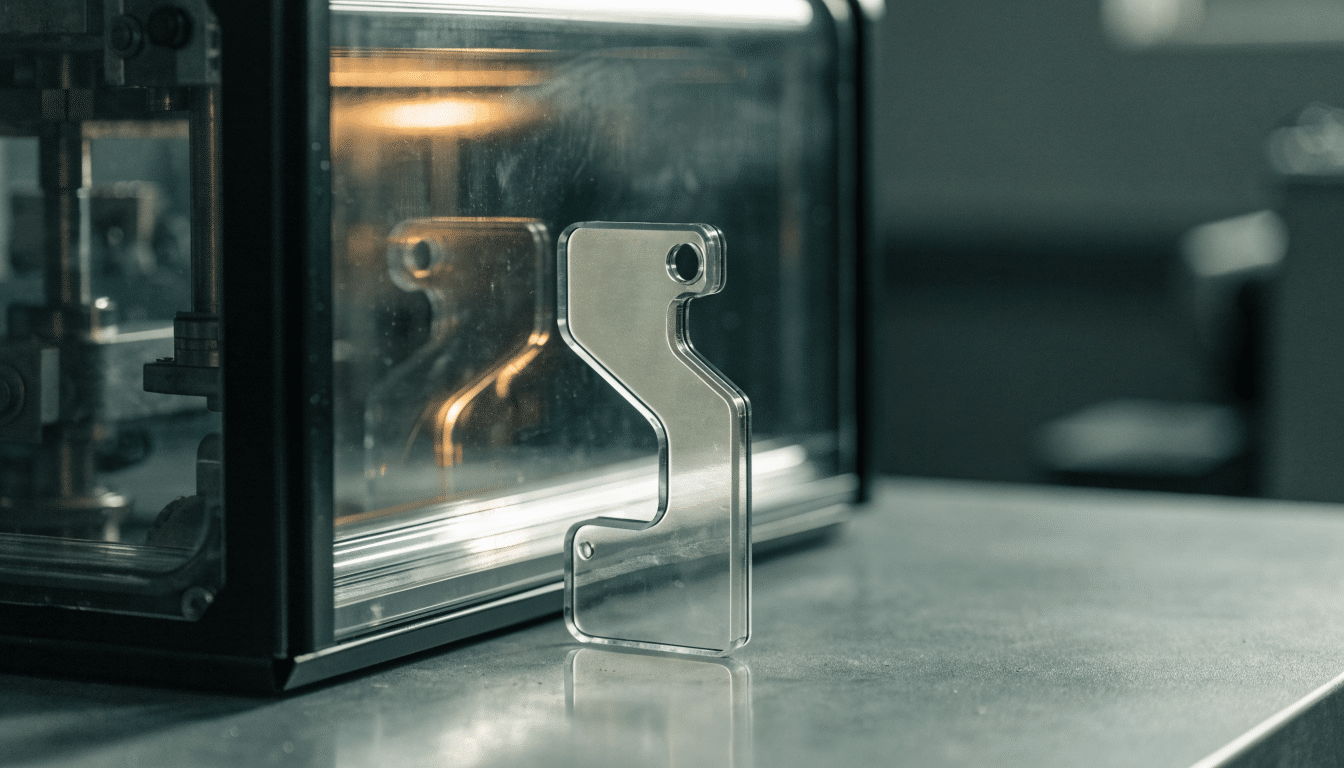
Polycarbonate (PC) 3D Printing Filament: What It Takes to Print It
What polycarbonate filament is, why it needs such high temperatures and a heated enclosure, and whether you actually need it over ABS or PETG.


