Comparisons
Side-by-side comparisons for decisions that come up once you own a printer: FDM or resin, direct drive or Bowden, CoreXY or bed slinger, Klipper or Marlin, PEI or glass, a 0.4 or 0.6 mm nozzle, and Cura, PrusaSlicer or OrcaSlicer. There are filament match-ups too, like nylon vs PETG and PC vs ABS.
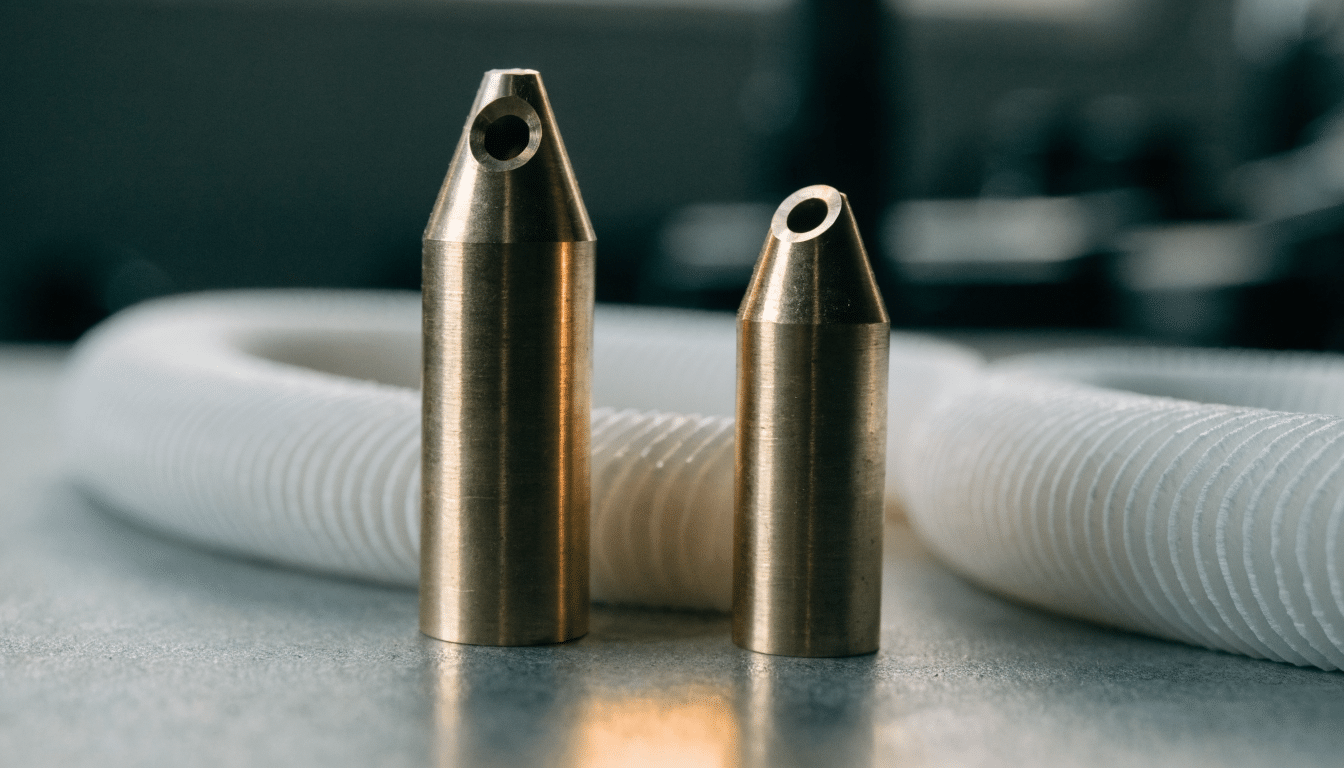
0.4mm vs 0.6mm Nozzle: Detail or Speed and Strength
A 0.4mm nozzle is the default for a reason, but a 0.6mm nozzle pushes more plastic per pass, trading fine detail for faster prints…
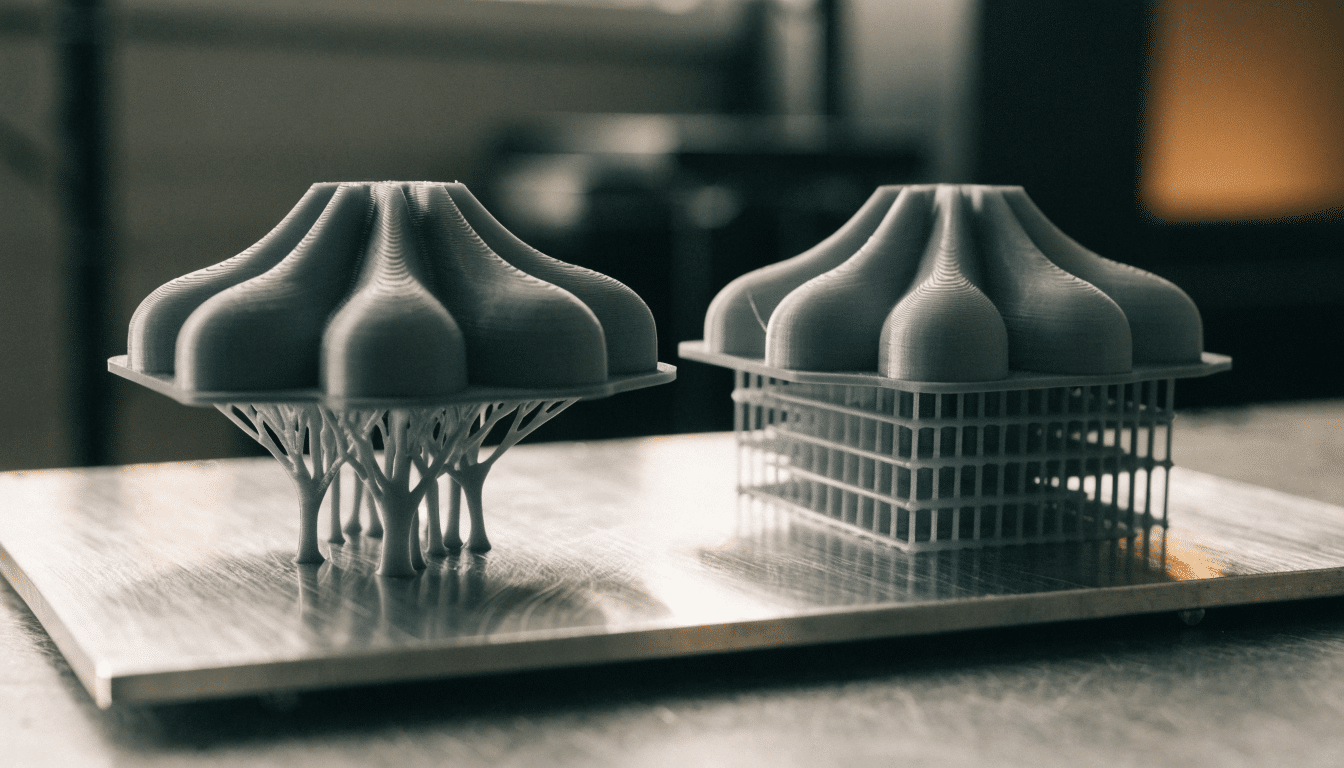
Tree Supports vs Grid Supports: Which One Actually Comes Off Clean
Grid supports build dense, predictable columns under every overhang, while tree supports grow branches that touch only the points that need help, and the…
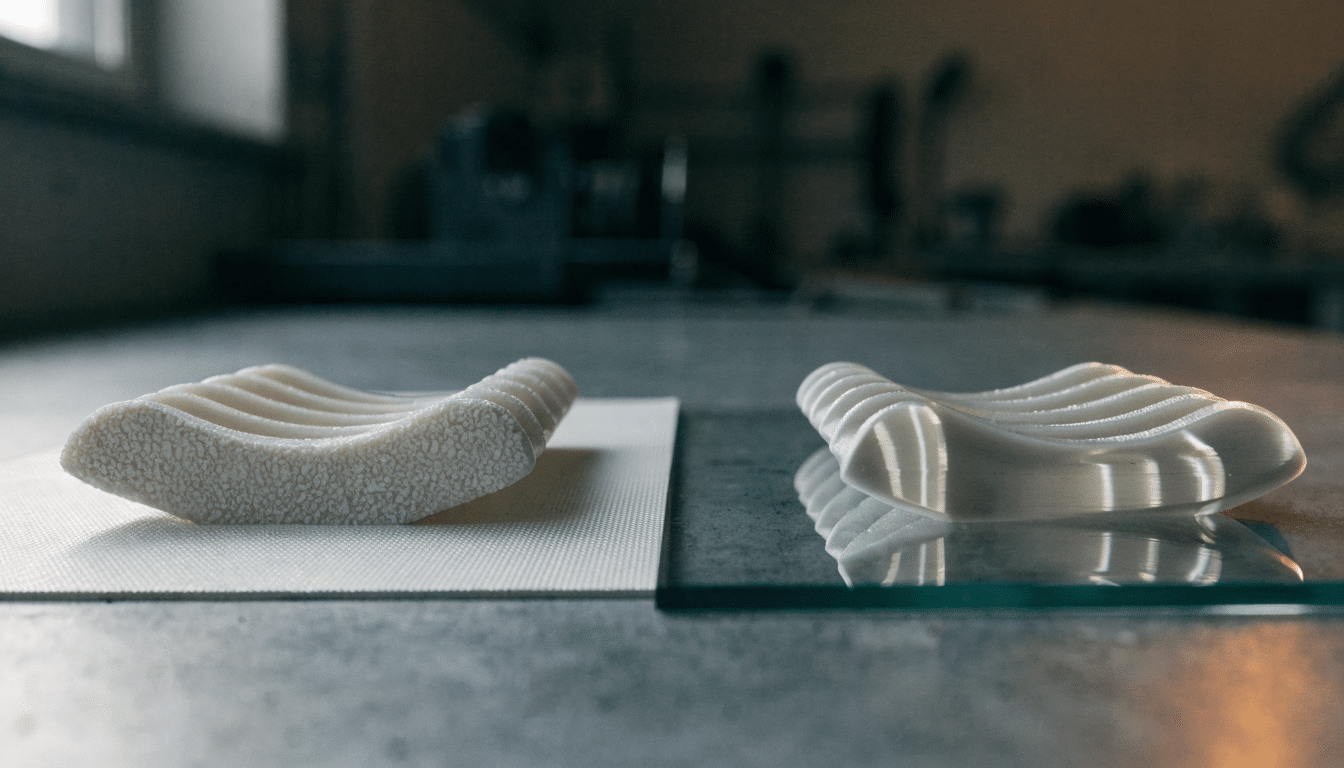
PEI vs Glass Build Plate: Adhesion or the Flattest Possible Finish
PEI sheets grip most filaments cold with no glue, while glass needs an adhesion aid for almost everything but leaves the flattest, glossiest bottom…
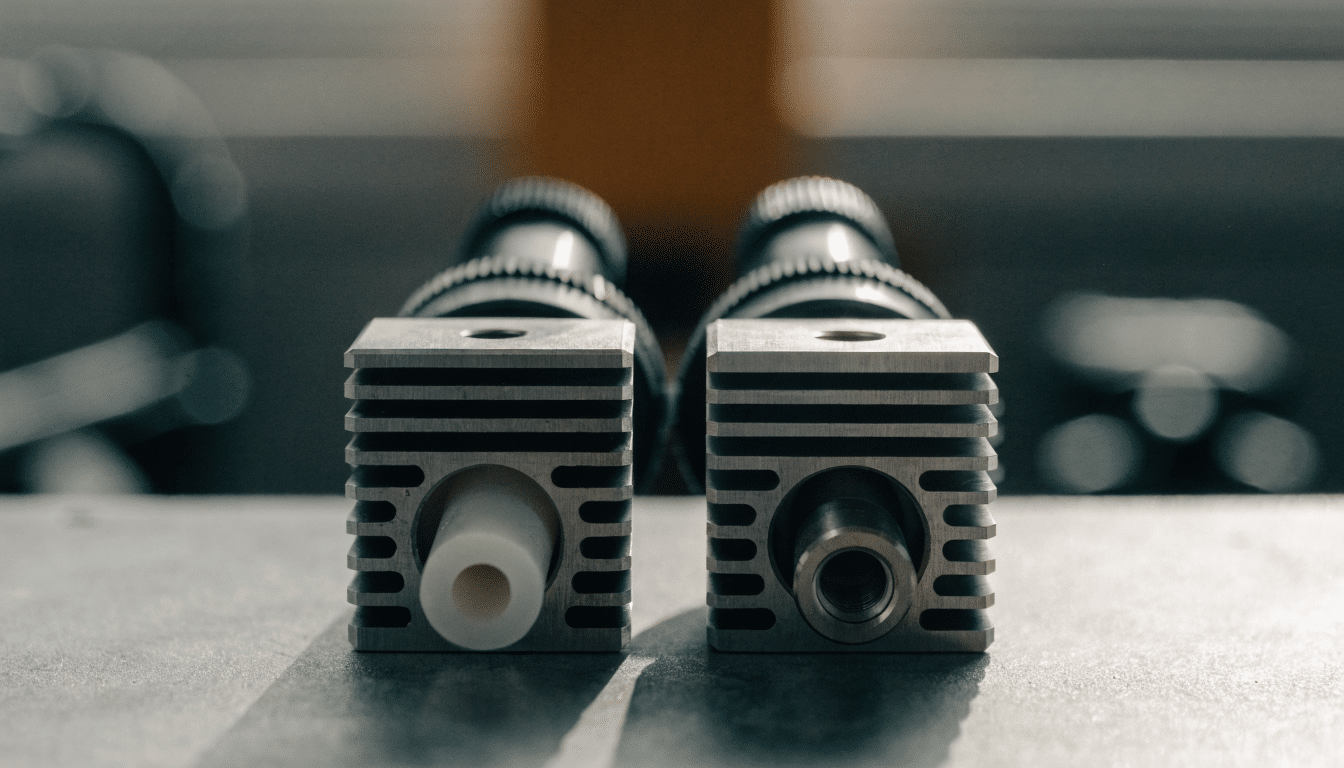
PTFE-Lined vs All-Metal Hotend: What Determines Your Max Temperature
A PTFE liner keeps friction low but limits nozzle temperature, while an all-metal hotend trades a little of that low friction for the high…
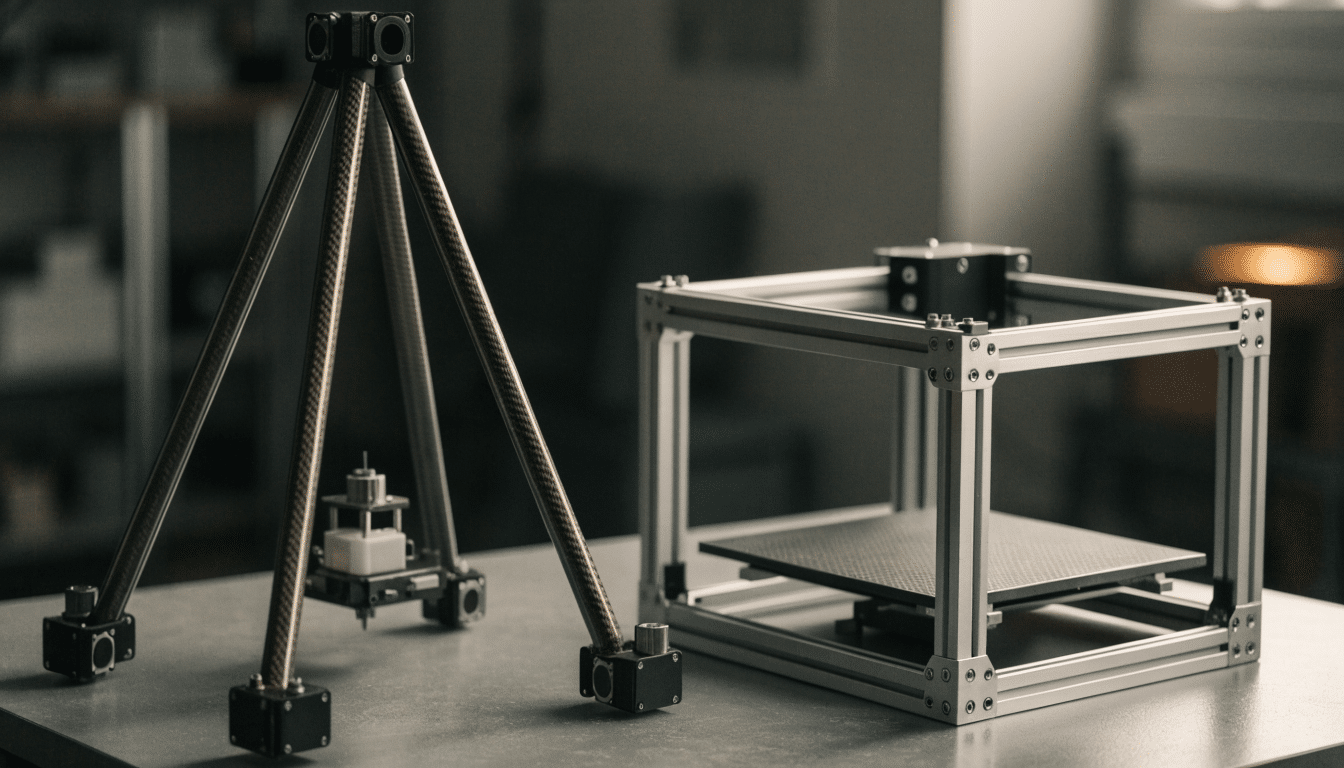
Delta vs Cartesian 3D Printer: Two Ways to Move a Nozzle
Delta printers move all three towers at once to position the nozzle, while cartesian machines drive each axis independently, and that single difference decides…

Cura vs PrusaSlicer vs OrcaSlicer: Which Slicer Fits Your Printer
Cura, PrusaSlicer and OrcaSlicer all turn the same STL into working G-code, but they default to different priorities, broad compatibility, mature supports, or built-in…
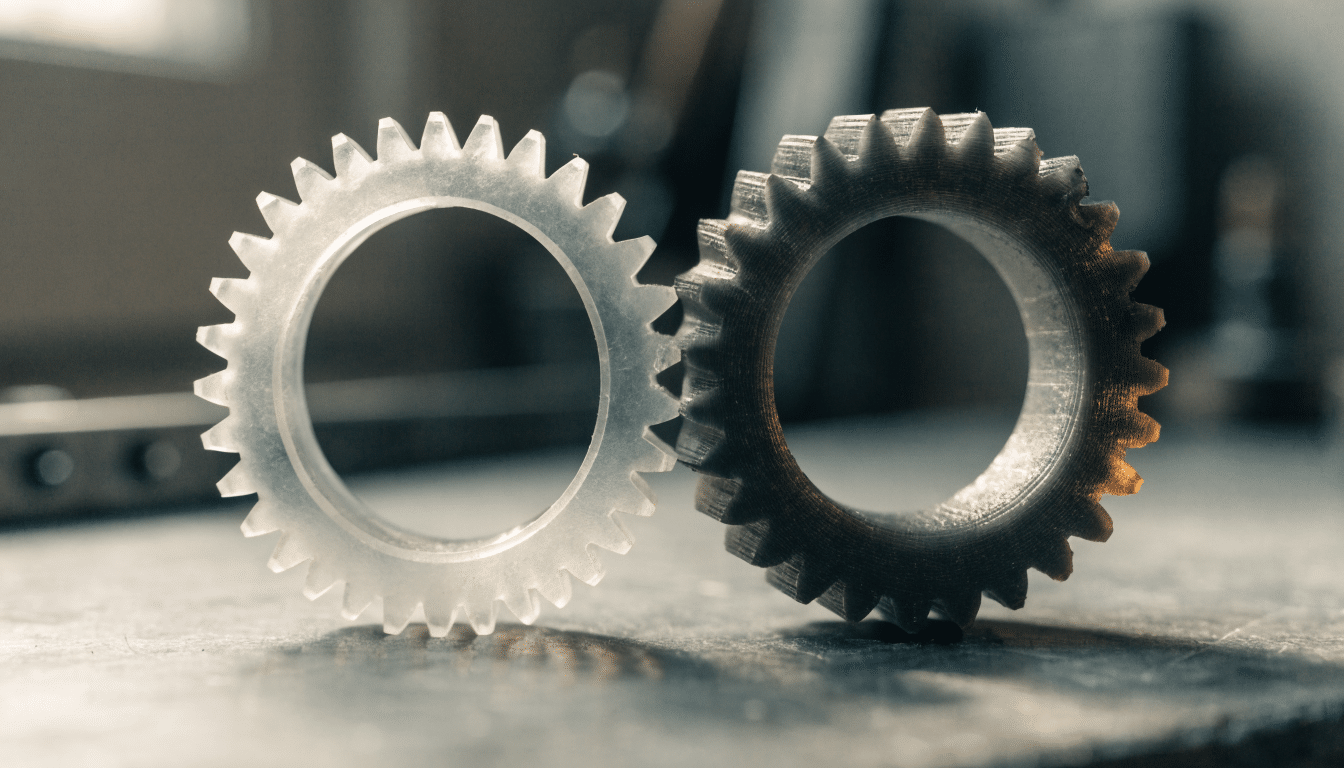
ABS vs Nylon: Everyday Toughness or Wear-Resistant Strength
ABS and nylon both get filed under “tougher than PLA,” but nylon actually outmuscles ABS on strength and wear resistance, and the real tradeoff…
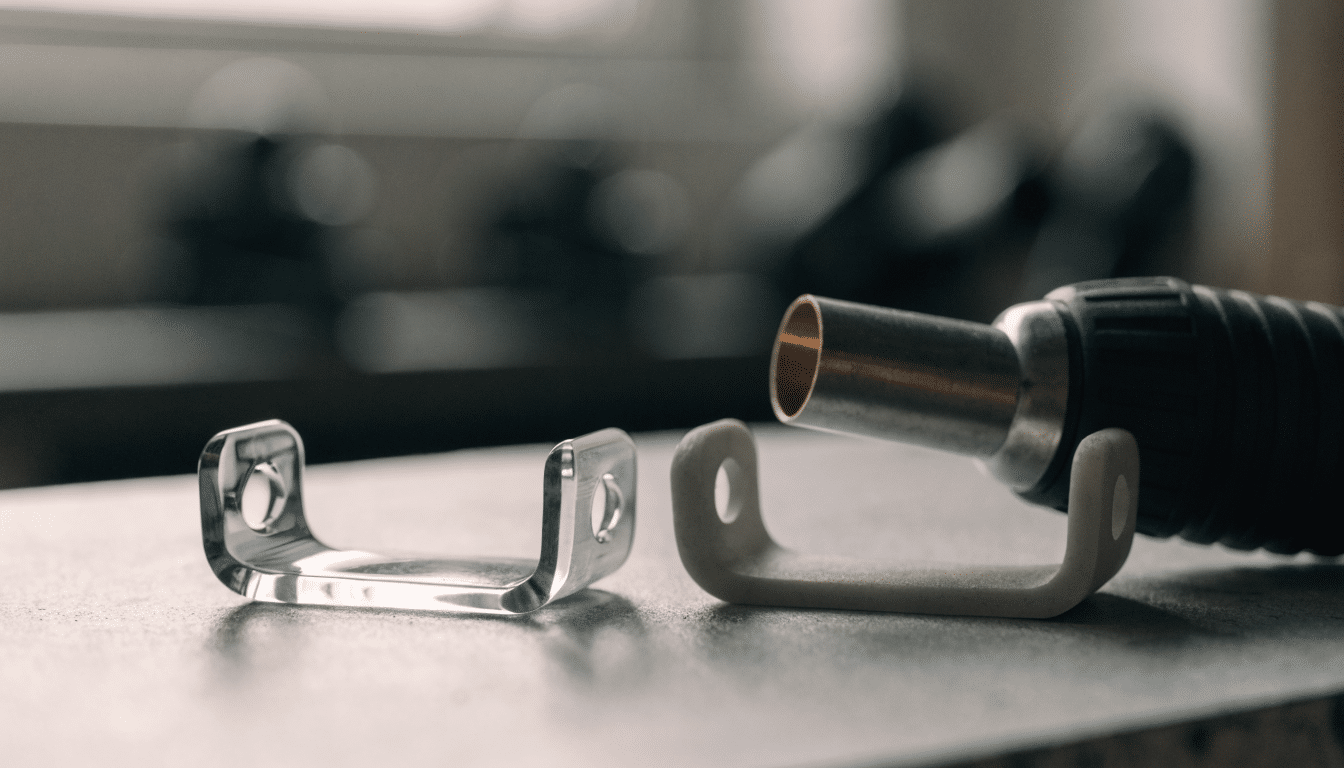
PC vs ABS: When Heat Resistance Alone Isn’t Enough
ABS and PC both get filed under “tougher engineering plastics,” but PC only earns its higher price and harder print process when a part…
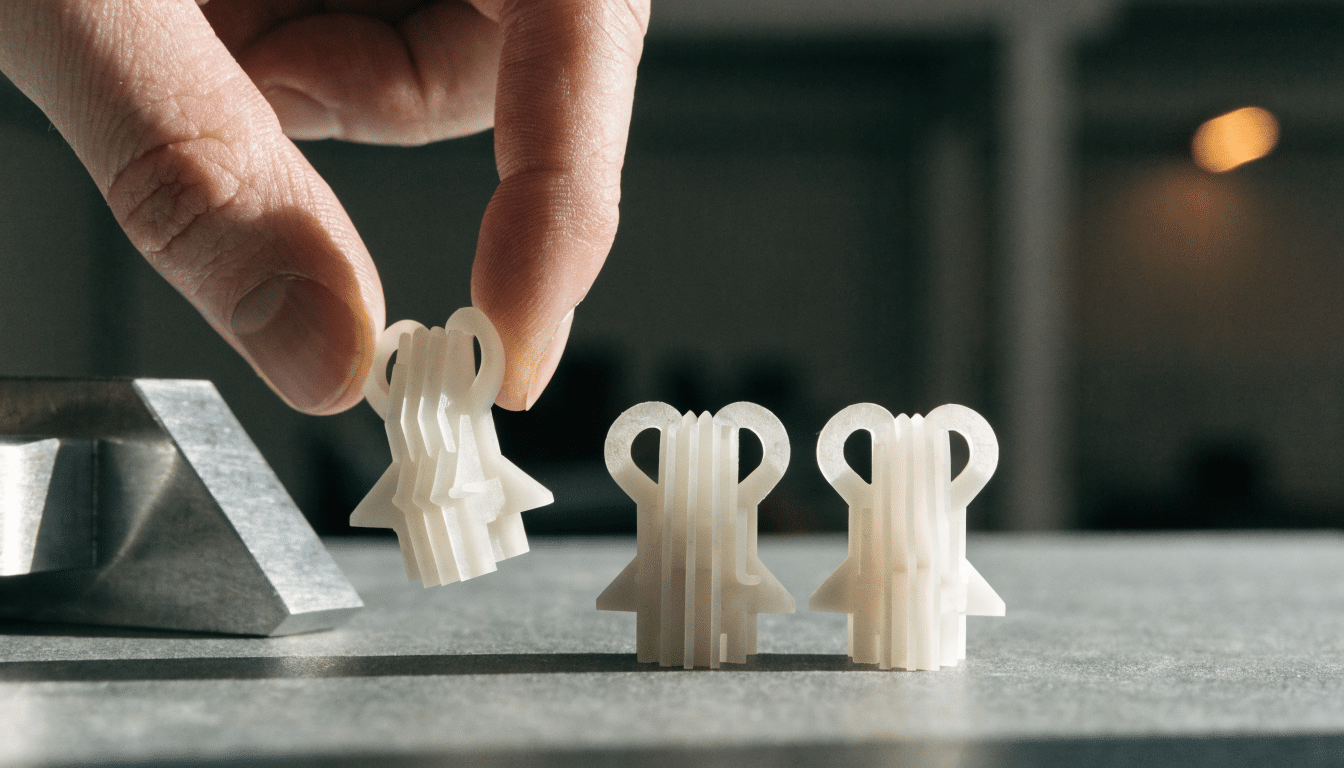
TPU vs PLA and PETG: When a Print Actually Needs to Flex
TPU, PLA and PETG get compared as if picking between them were a matter of taste, but TPU sits in a different mechanical category…
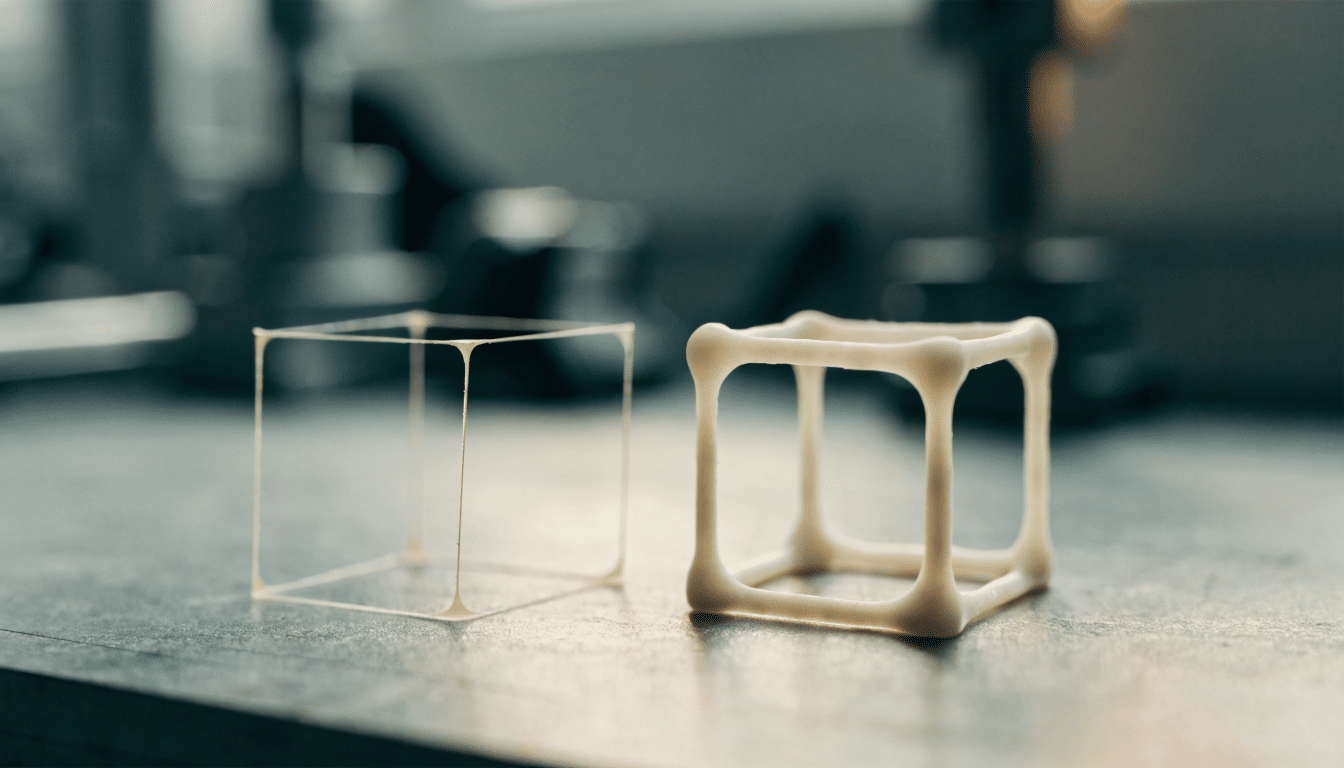
Under-Extrusion vs Over-Extrusion: Telling Them Apart Before You Touch the Flow Rate
Under-extrusion and over-extrusion can look confusingly similar on a print’s surface, but they come from flow moving in opposite directions, and fixing one when…


