Materials
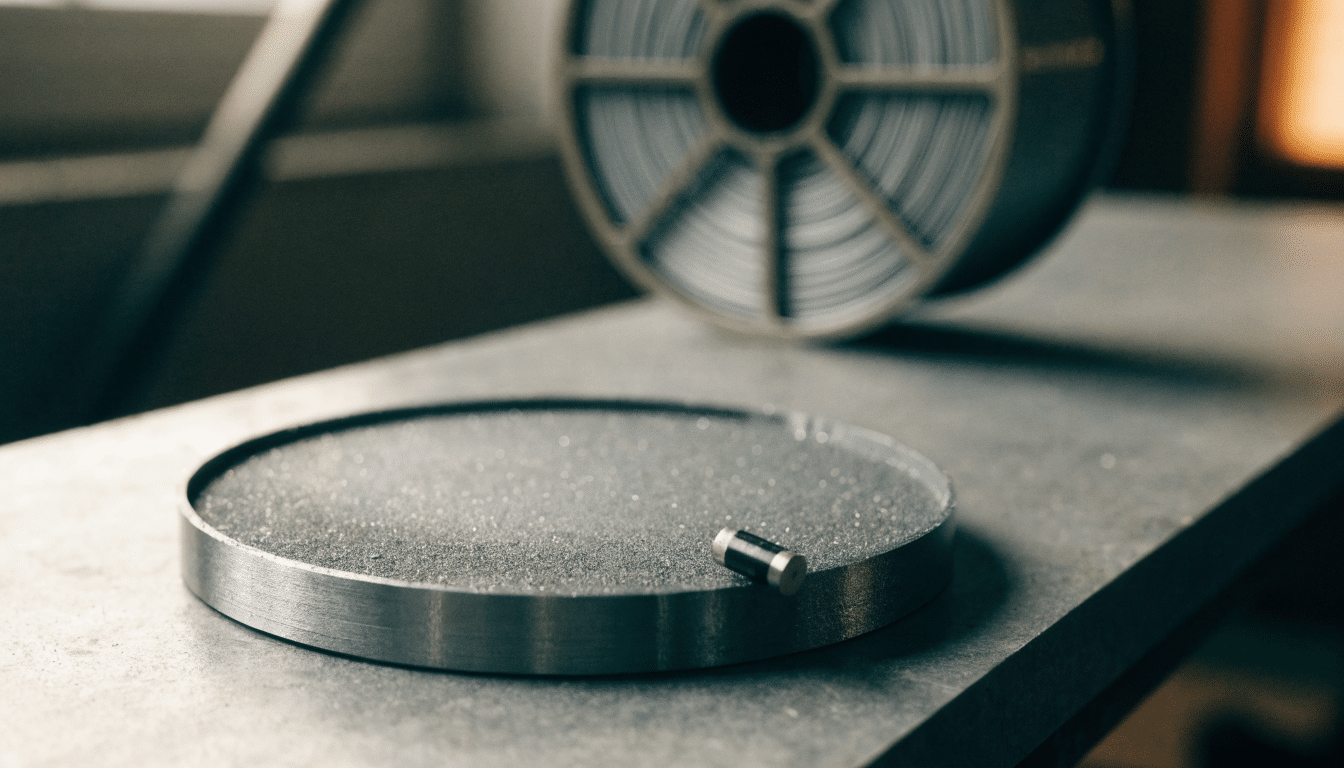
Magnetic Filament: What It’s Actually Good For (and Its Limits)
Magnetic filament is iron-filled PLA that’s ferromagnetic, not actually magnetic, the same way a steel nail sticks to a magnet without being one. Real…
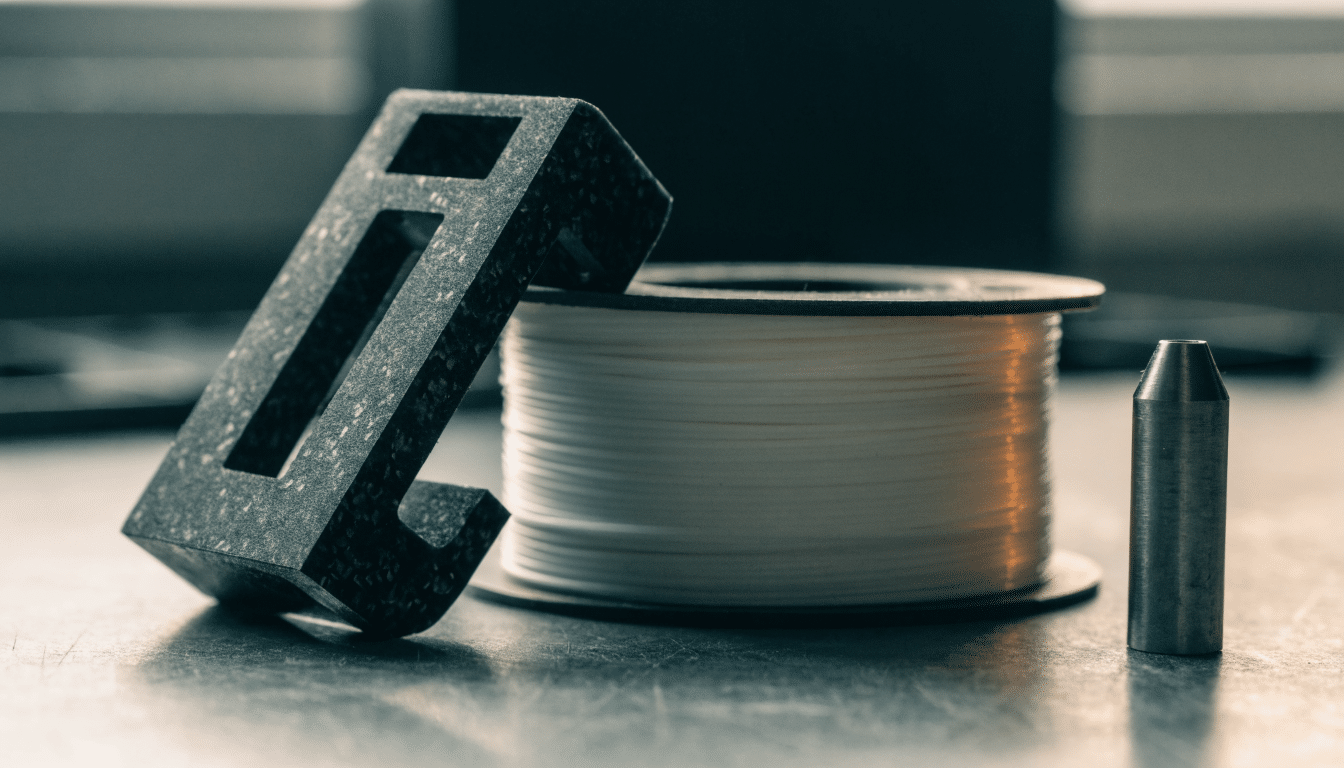
Nylon-CF Filament: What Carbon Fiber Adds to Nylon
Nylon-CF blends carbon fiber into PA6, PA11, or PA12, and the base polymer matters as much as the fiber: PA6 grades run stiffer, PA12…
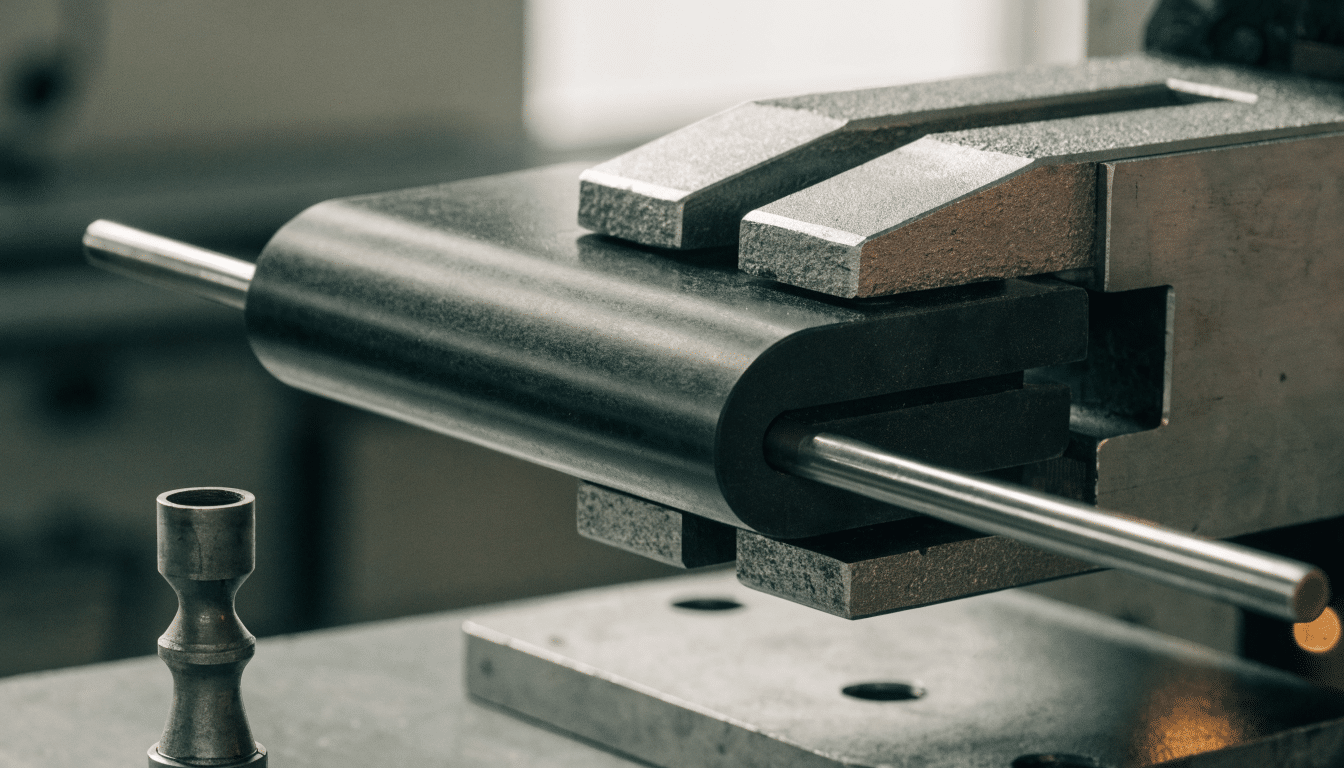
PC-CF Filament: What Carbon Fiber Actually Adds to Polycarbonate
PC-CF blends chopped carbon fiber into polycarbonate for real stiffness and heat-resistance gains, but data sheets disagree on whether it needs an enclosure, and…
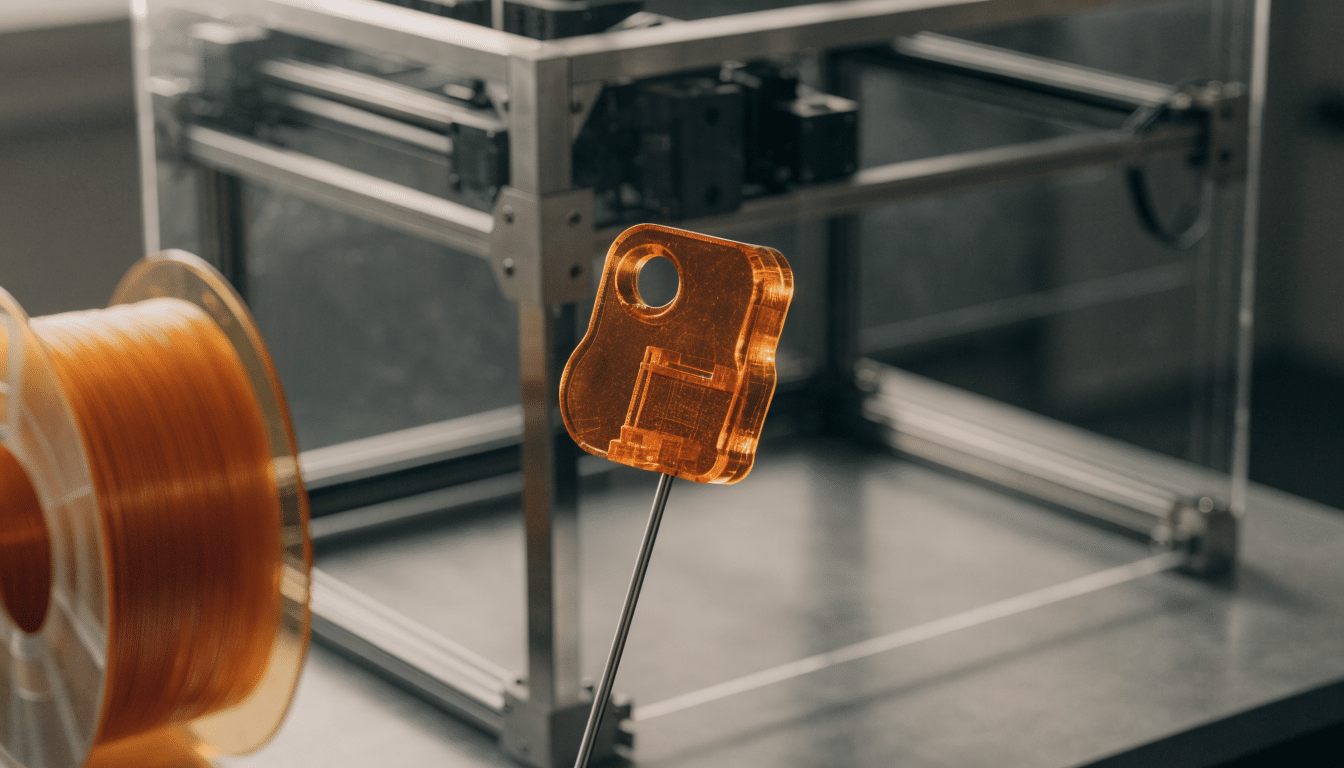
PEI / Ultem Filament: Aerospace-Grade Plastic That Costs Less Than PEEK
PEI, sold under the trade name ULTEM, is the amber engineering resin aerospace and medical parts reach for when PC and nylon fall short…
PPS Filament: Chemical Resistance That Rivals PEEK at a Fraction of the Cost
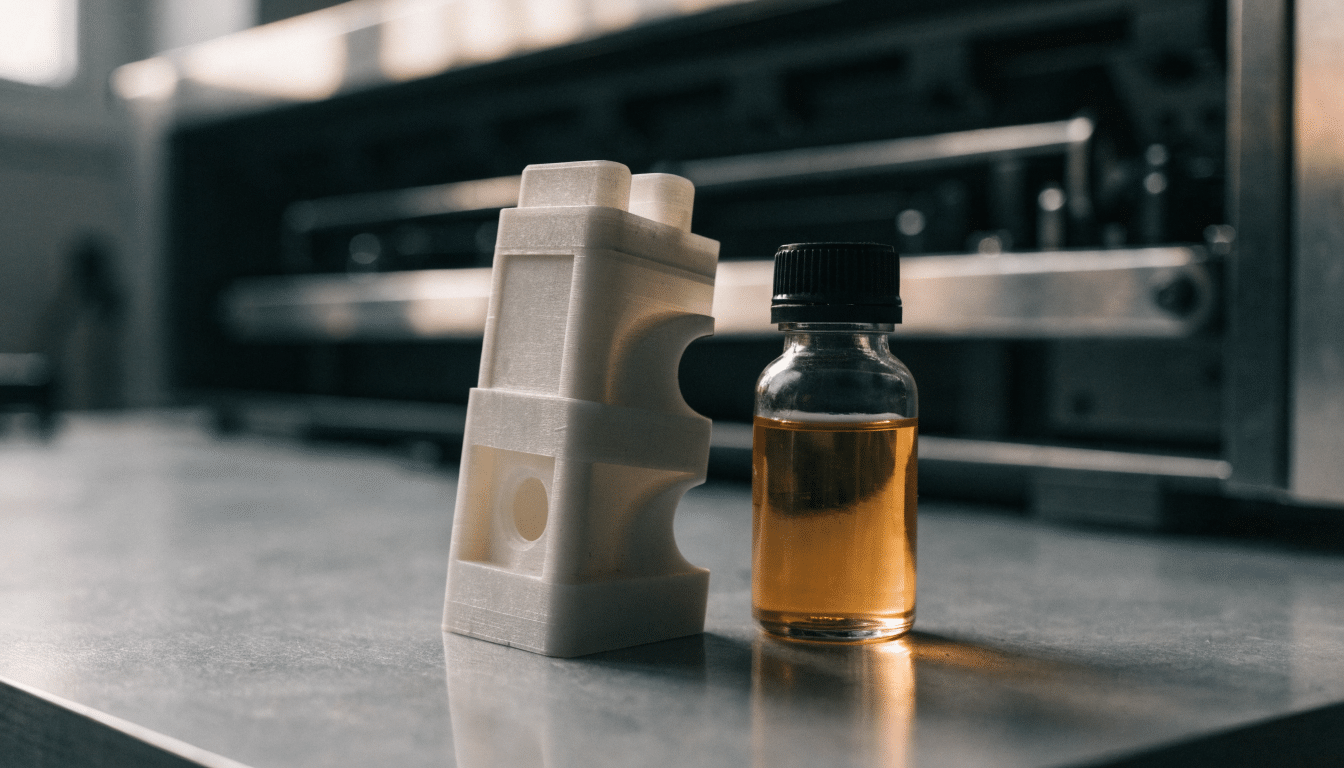
PPS resists almost any solvent below 200°C and self-extinguishes without additives, the reason chemical and automotive parts get specified in it over nylon or…
PETG-CF Filament: What Carbon Fiber Actually Adds to PETG
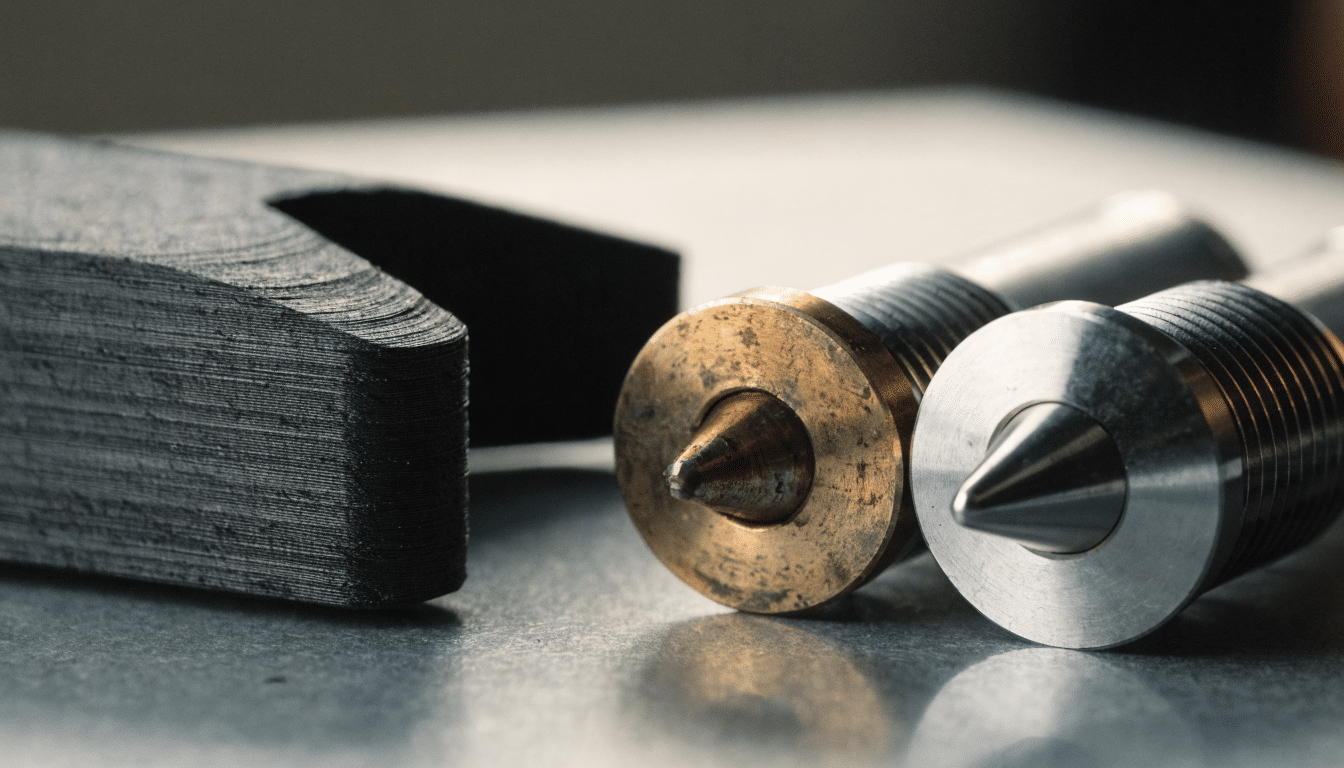
PETG-CF is regular PETG with 10 to 20 percent chopped carbon fiber mixed in, and it trades some of PETG’s flexibility for stiffness, dimensional…
Conductive Filament: What It’s Actually Good For (and Its Limits)
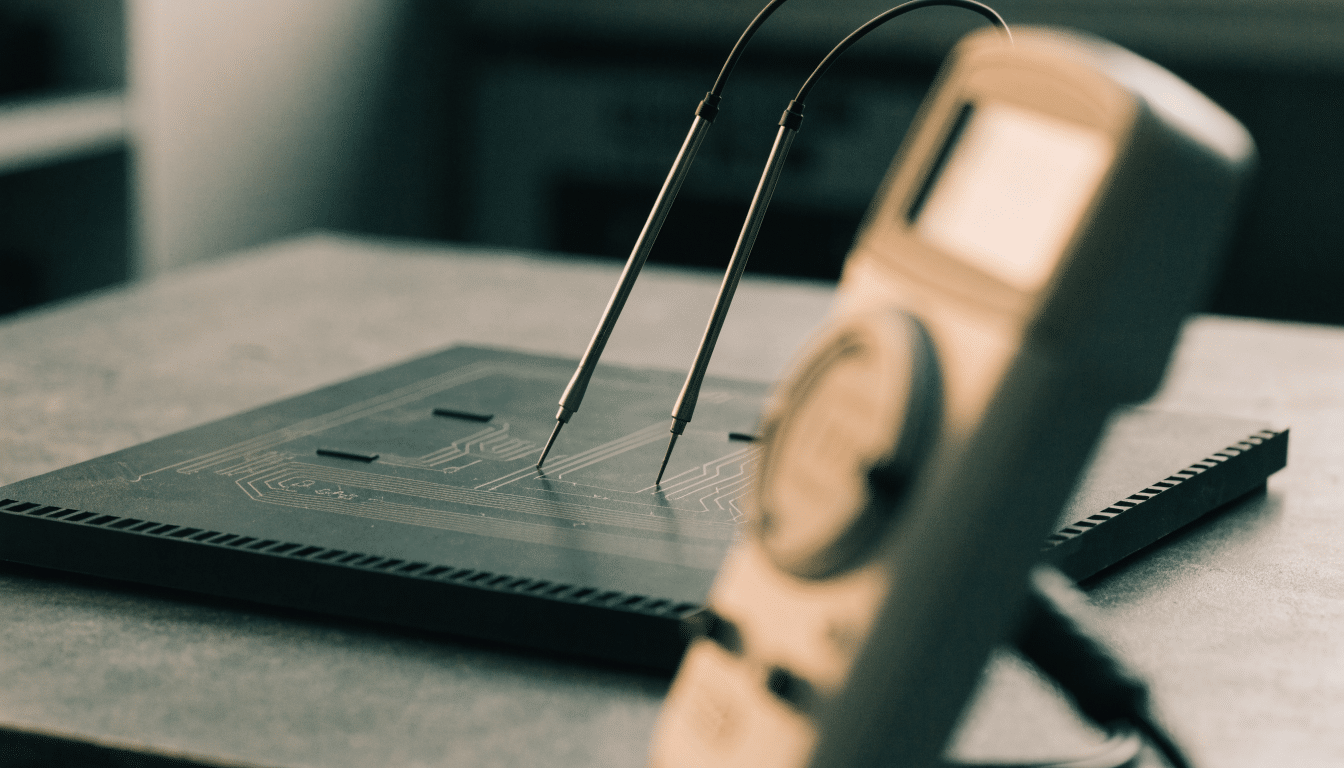
Conductive filament is carbon-black-loaded PLA, resistive enough for touch sensors and low-voltage signal traces, but nowhere close to copper wire. This guide covers the…
Clear Filament: Why 3D Printed Parts Come Out Frosted, Not See-Through
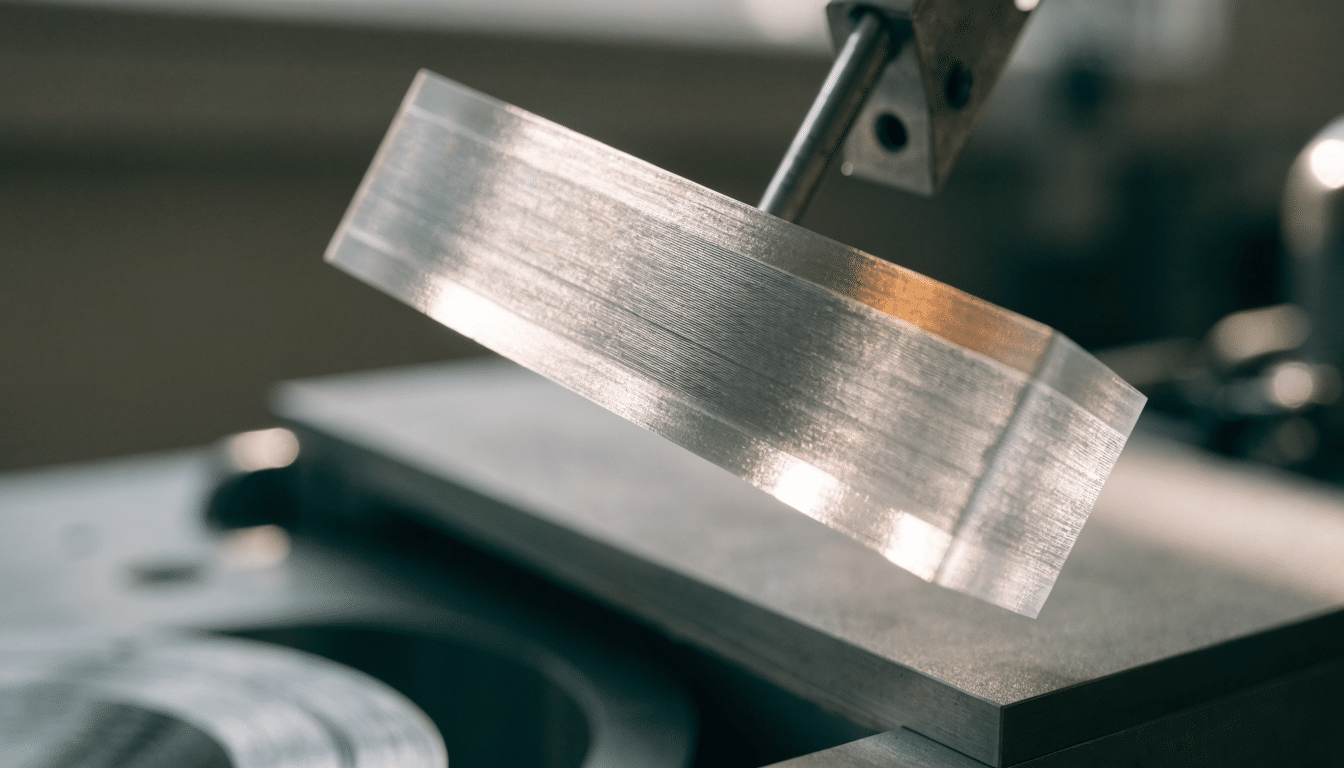
Clear and transparent filaments print translucent and frosted rather than glass-clear, because layer lines and micro-gaps scatter light in ways FDM printing cannot avoid.…
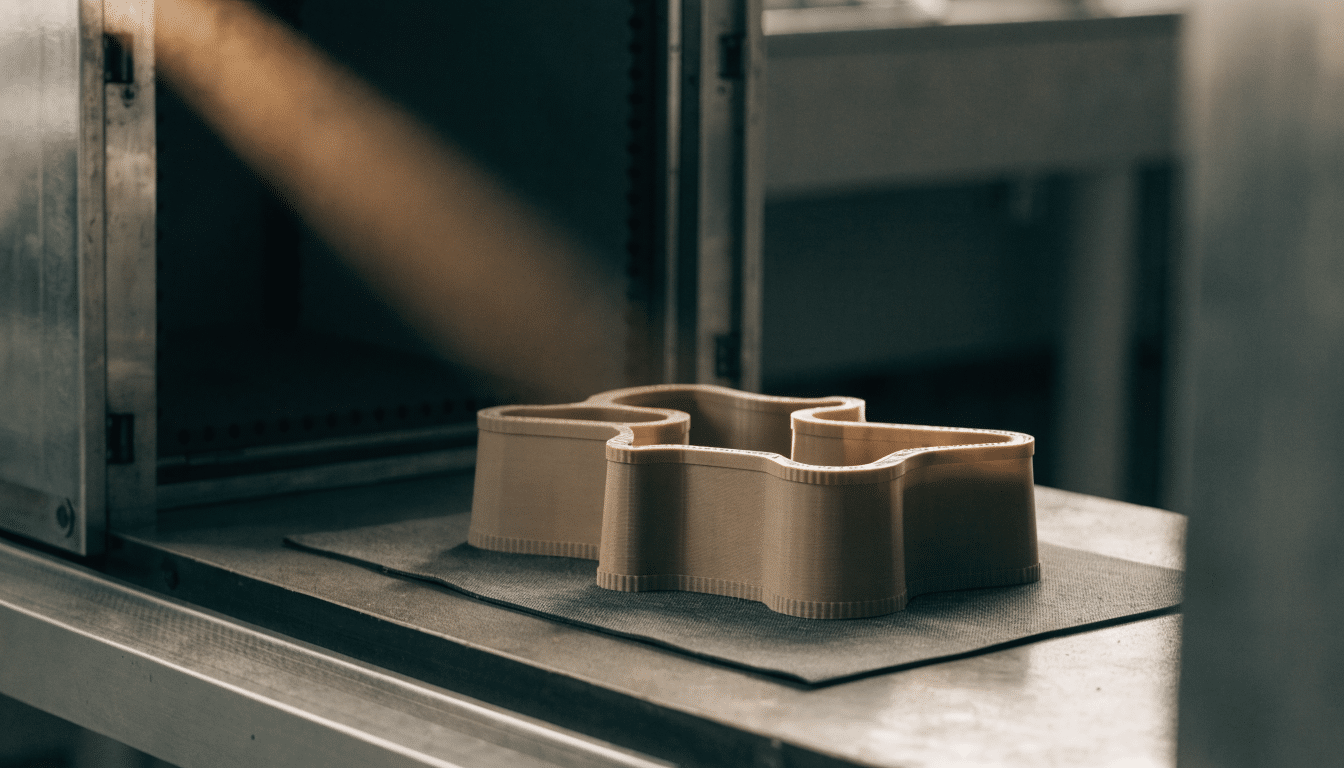
PEEK Filament: Why It’s Out of Reach for Most 3D Printers
PEEK is the filament aerospace and medical device makers reach for when nothing else survives the heat, chemicals, or sterilization cycle. Printing it needs…
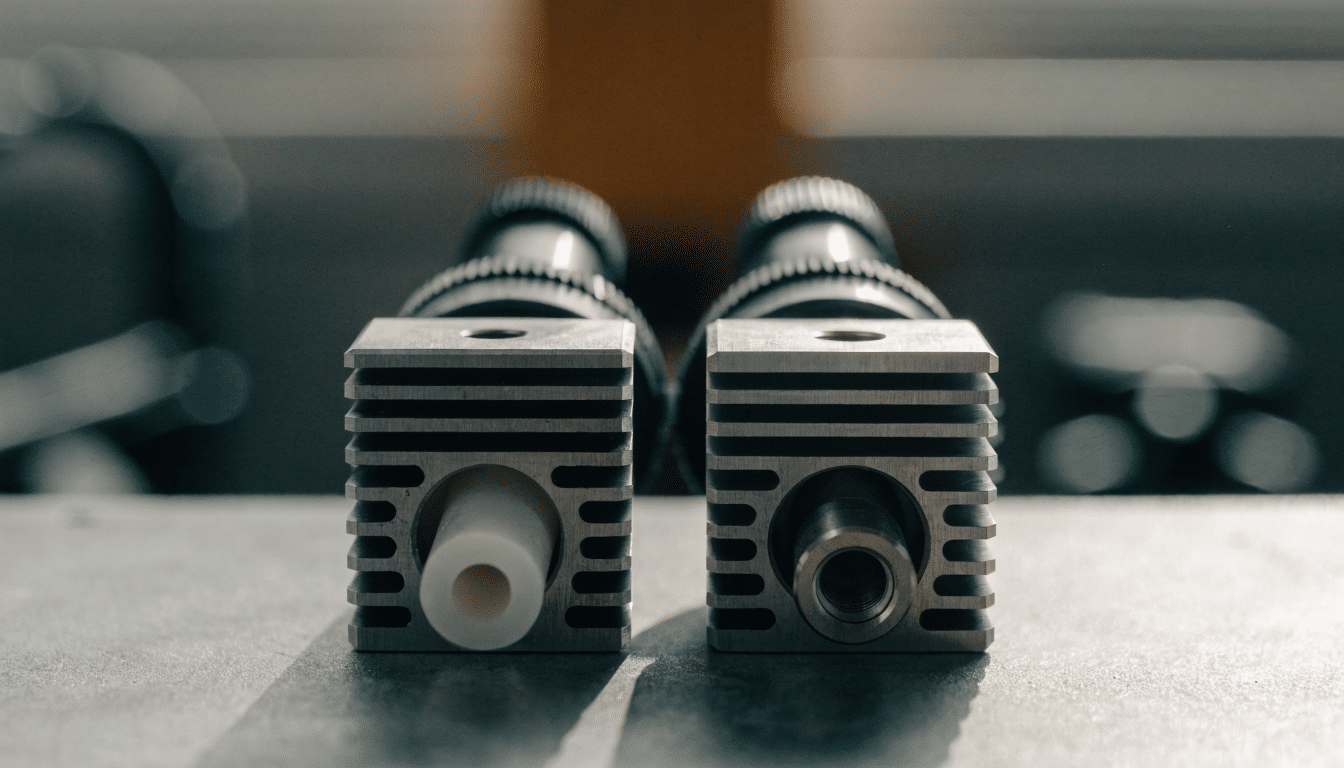
PTFE-Lined vs All-Metal Hotend: What Determines Your Max Temperature
A PTFE liner keeps friction low but limits nozzle temperature, while an all-metal hotend trades a little of that low friction for the high…


