PLA
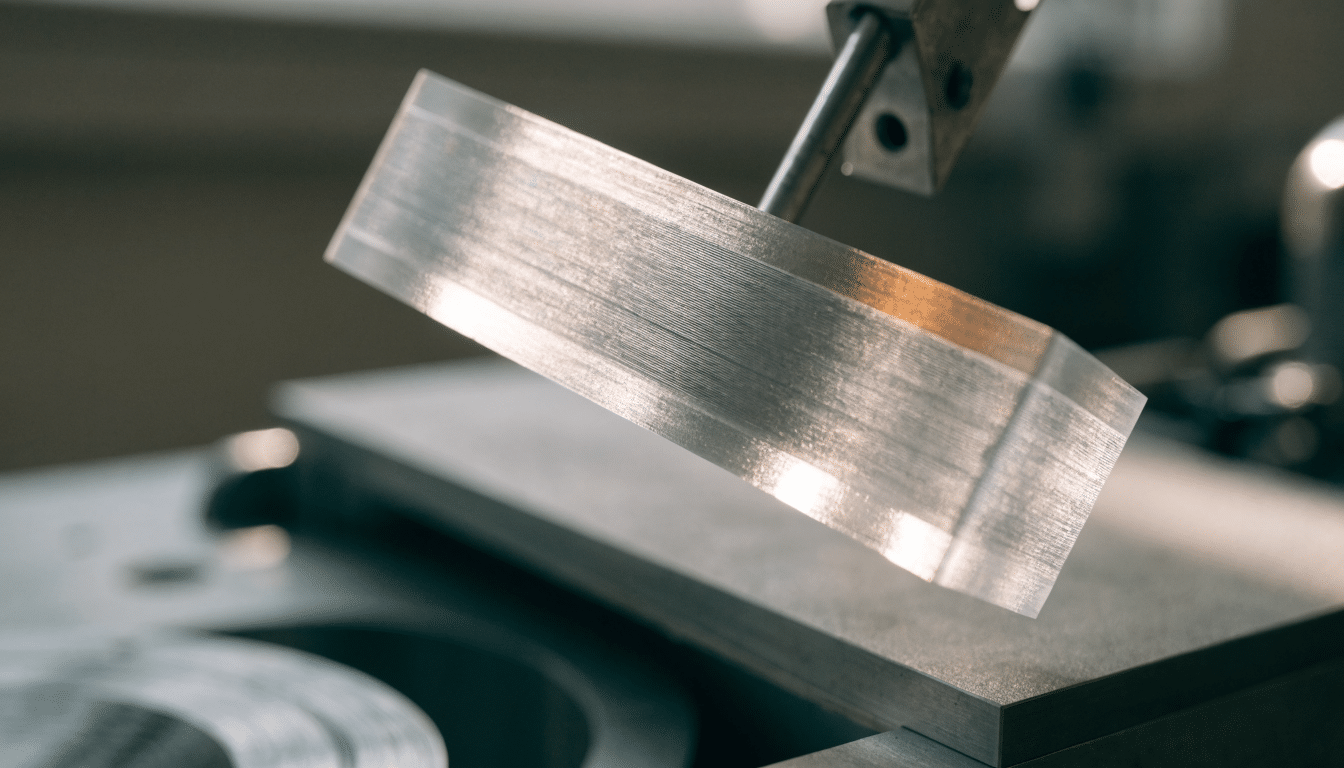
Clear Filament: Why 3D Printed Parts Come Out Frosted, Not See-Through
Clear and transparent filaments print translucent and frosted rather than glass-clear, because layer lines and micro-gaps scatter light in ways FDM printing cannot avoid.…
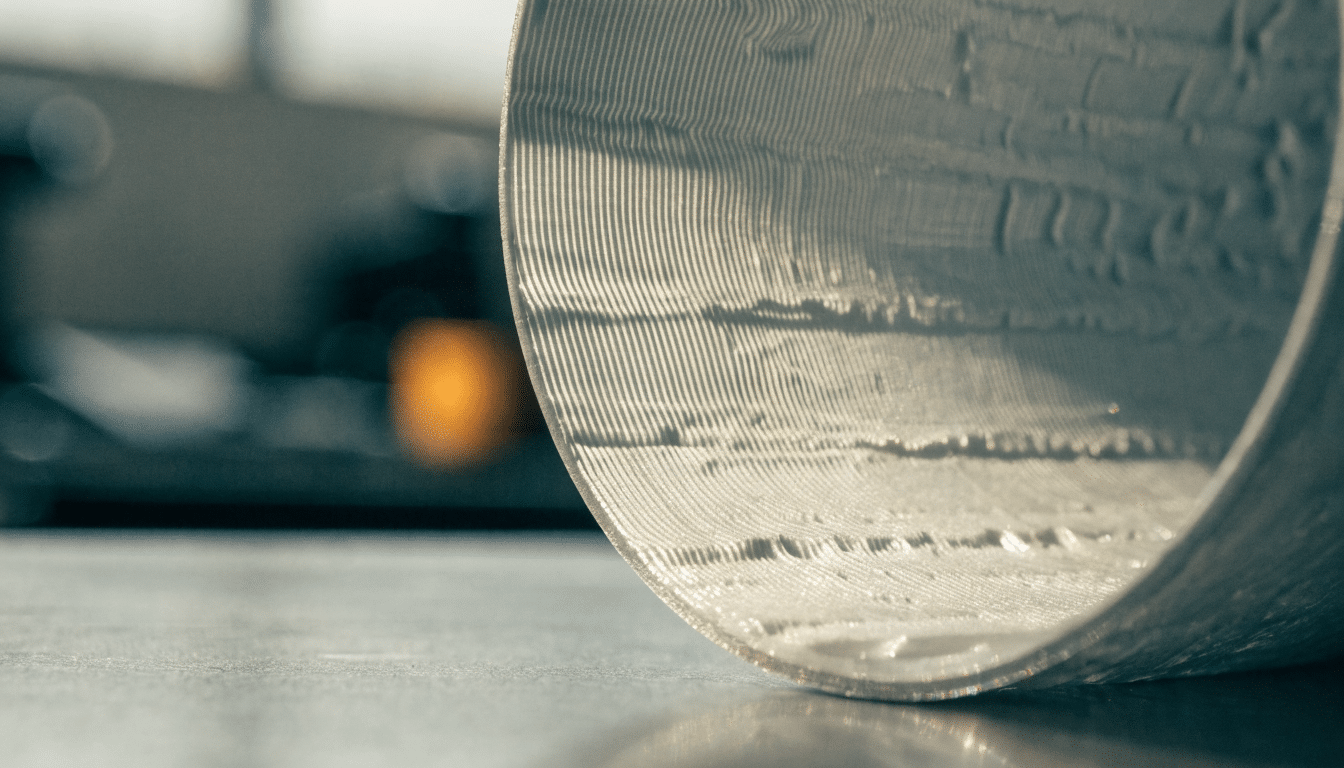
Food-Safe 3D Printing Filament: What’s Actually Safe (and What Isn’t)
“Is PLA food safe” and “food safe 3D printing filament” are two different questions that get answered as if they were one, and that…
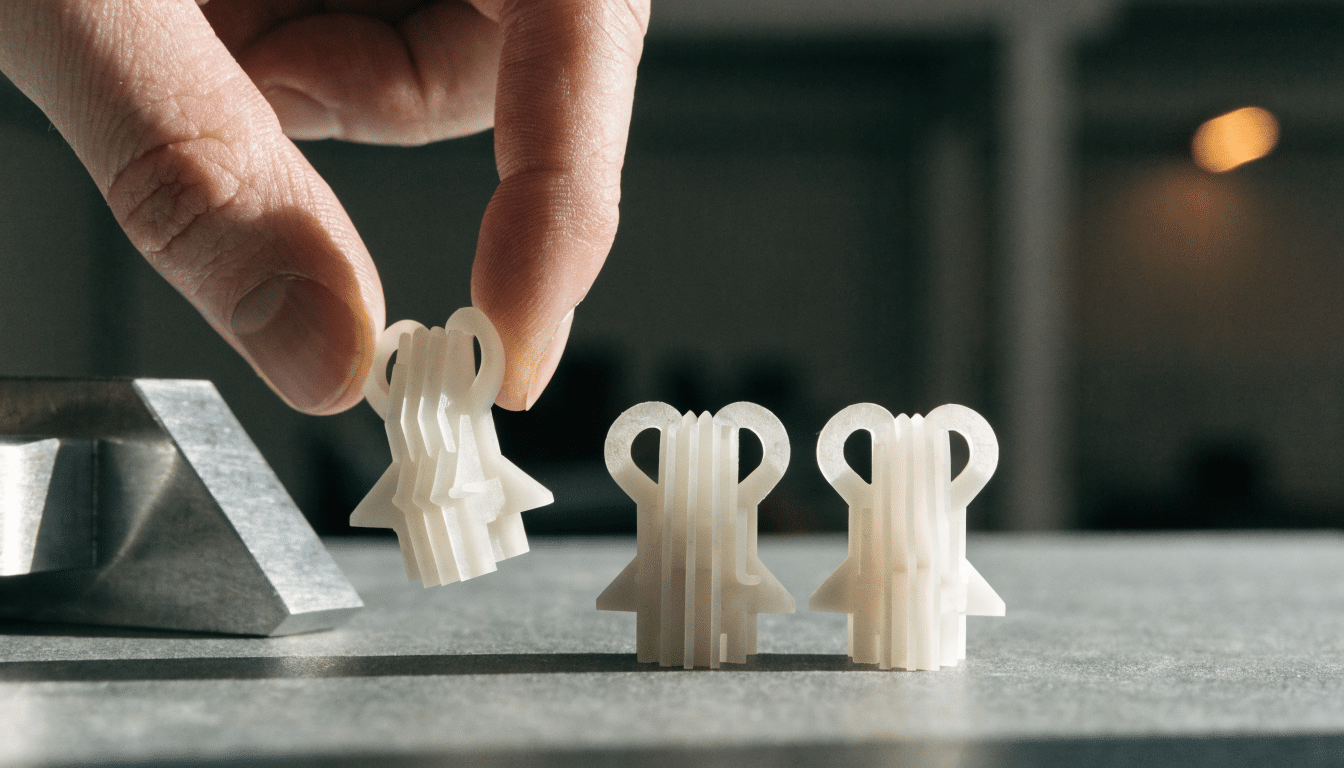
TPU vs PLA and PETG: When a Print Actually Needs to Flex
TPU, PLA and PETG get compared as if picking between them were a matter of taste, but TPU sits in a different mechanical category…
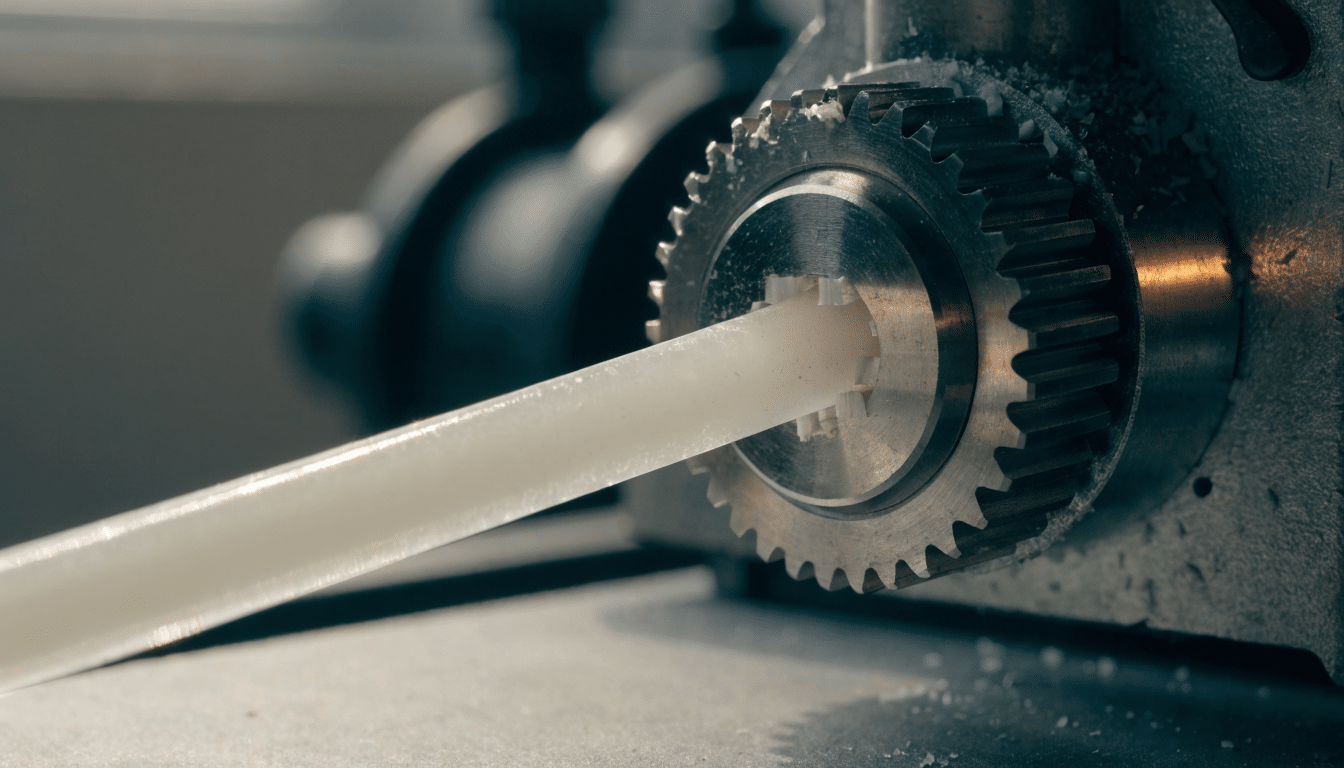
Fix Extruder Clicking: Trace the Sound to the Cause
Hear a rhythmic click or skip from your extruder? Work through spool, tension, temperature, and clog checks to find the real cause.
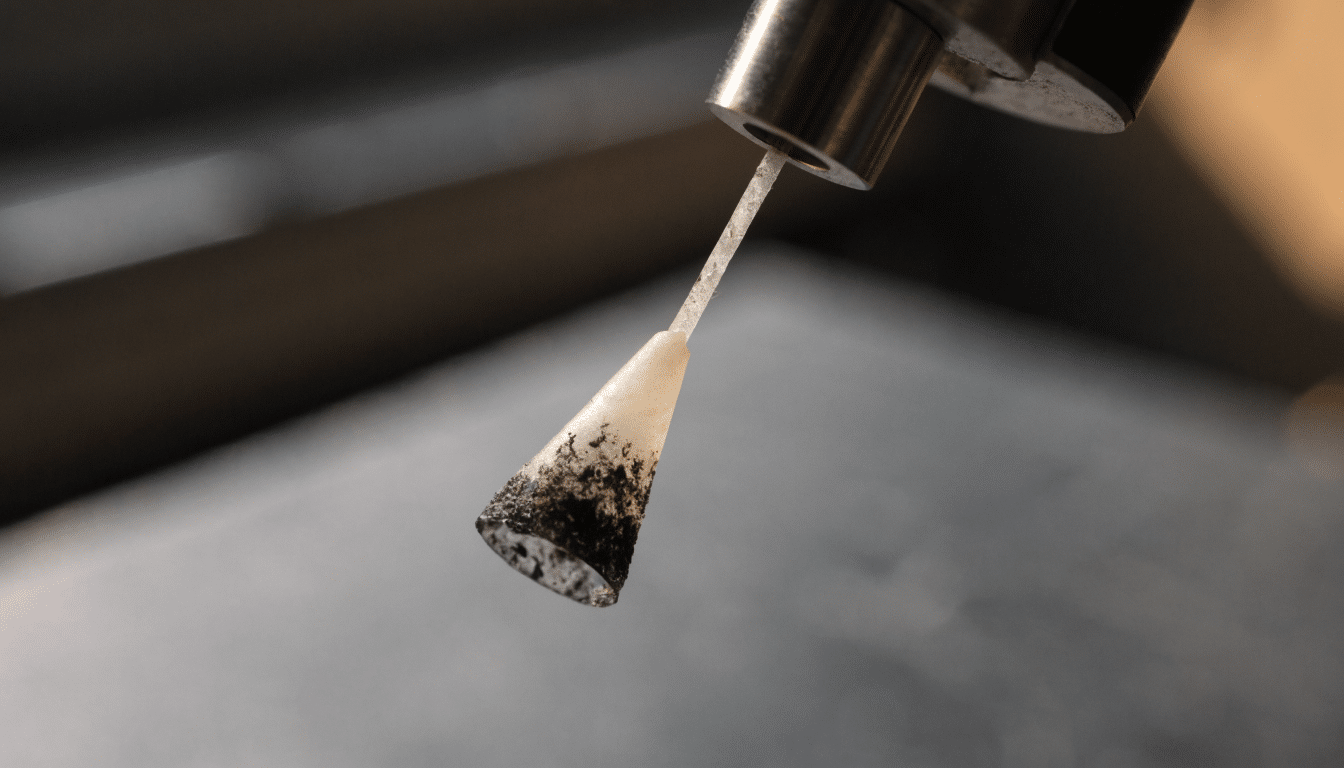
How to Cold Pull a 3D Printer Nozzle the Right Way
A step-by-step guide to performing a cold pull correctly: the right filament, the heat-cool-pull sequence, safe temperatures, and how to tell it worked.
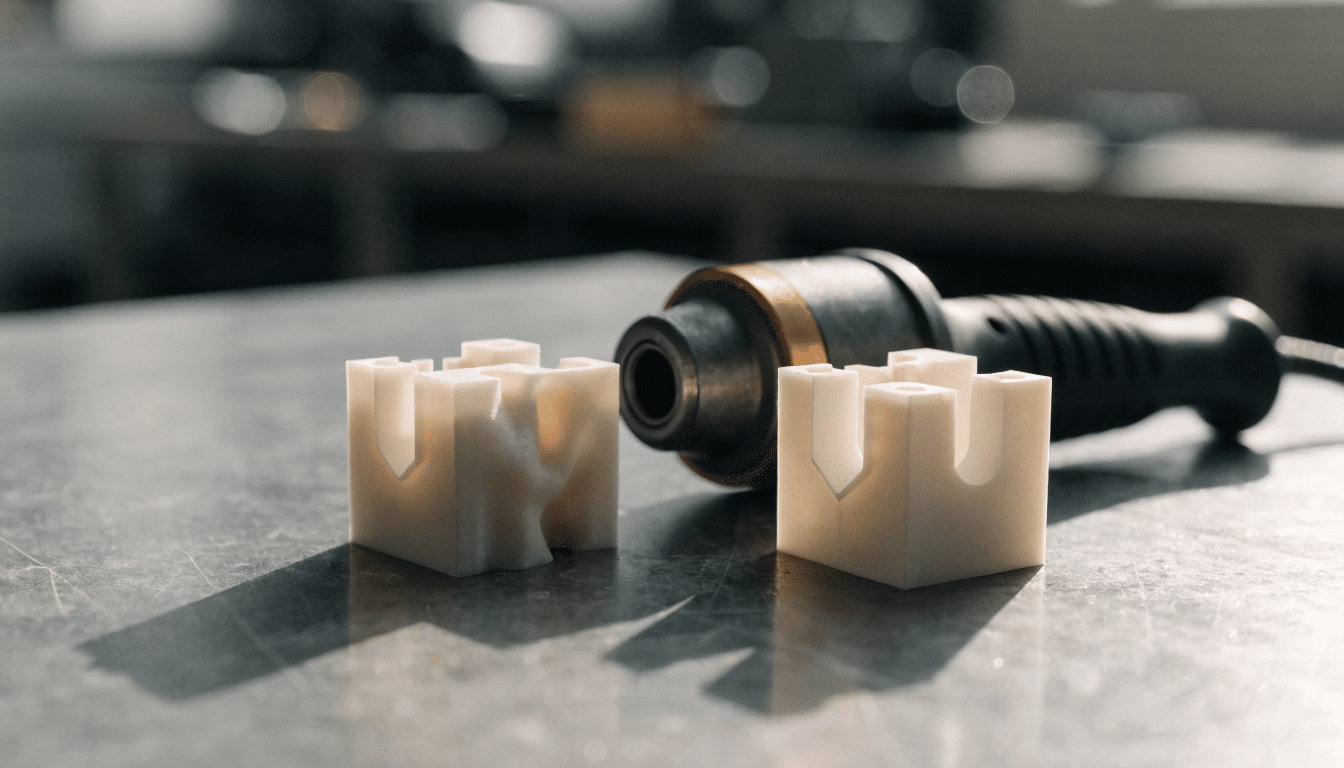
PLA vs ABS: Strength, Heat and Ease of Use
ABS was the standard 3D printing material long before PLA became the default beginner recommendation, and it still gets picked for a specific reason:…
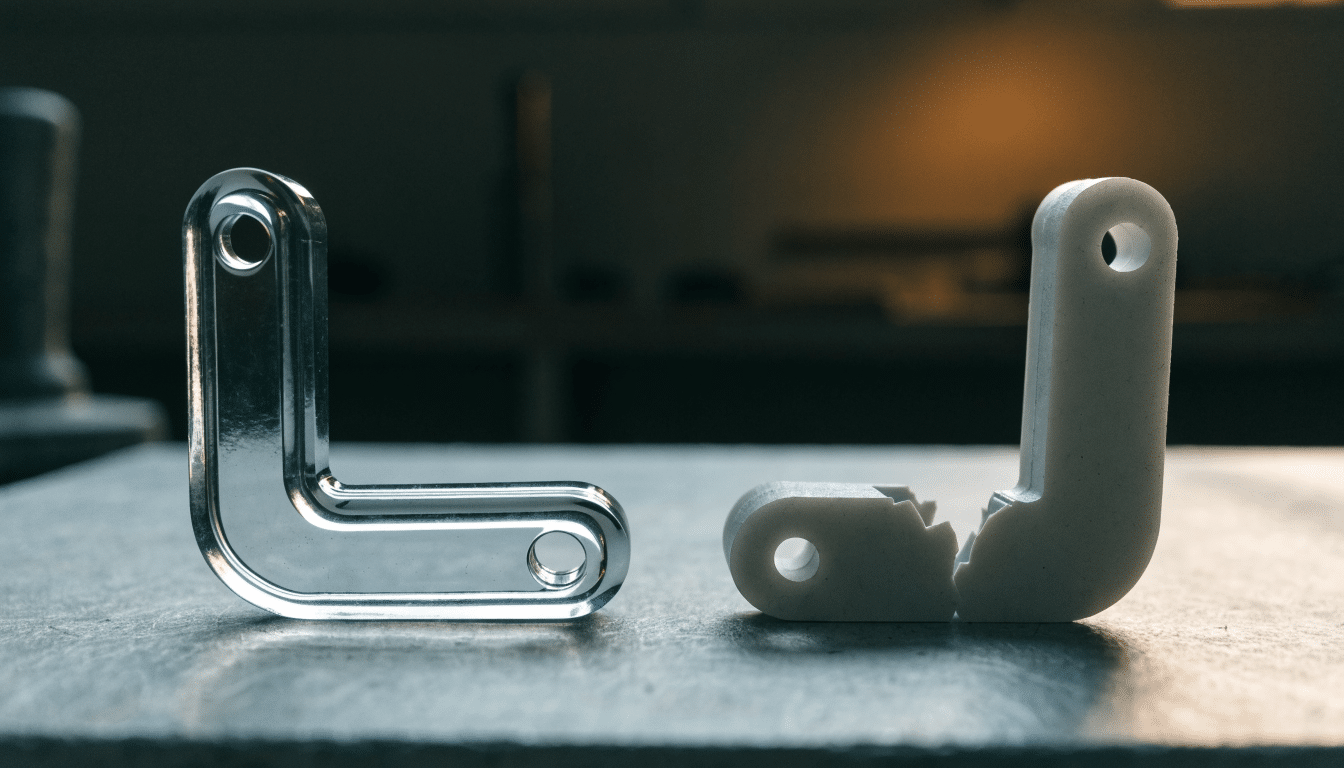
PLA vs PETG: Which to Print First
PLA and PETG are the two materials almost every beginner reaches for, and the choice between them for a specific print comes down to…
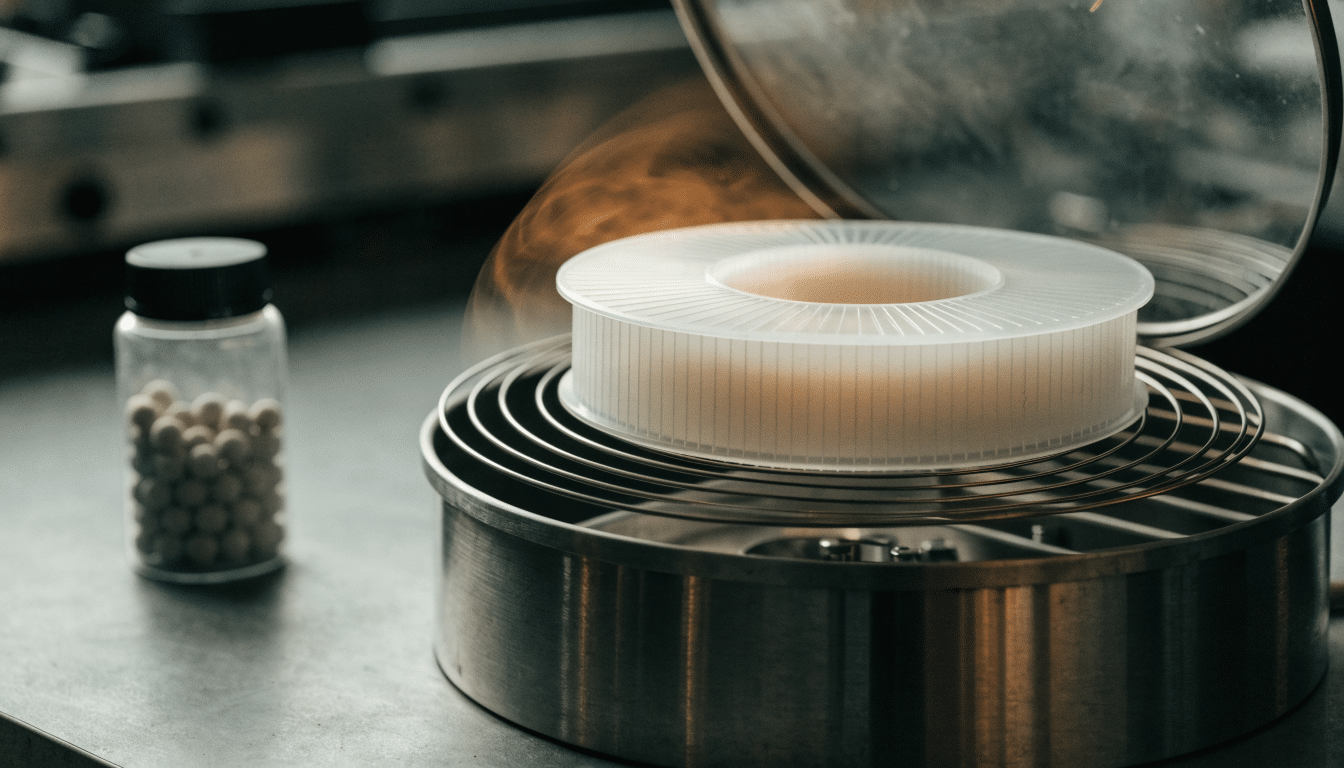
How to Dry 3D Printer Filament (Oven, Dehydrator and Dry Box Methods)
This guide covers active drying: the actual process for driving moisture back out of a spool that has already absorbed it. That is a…
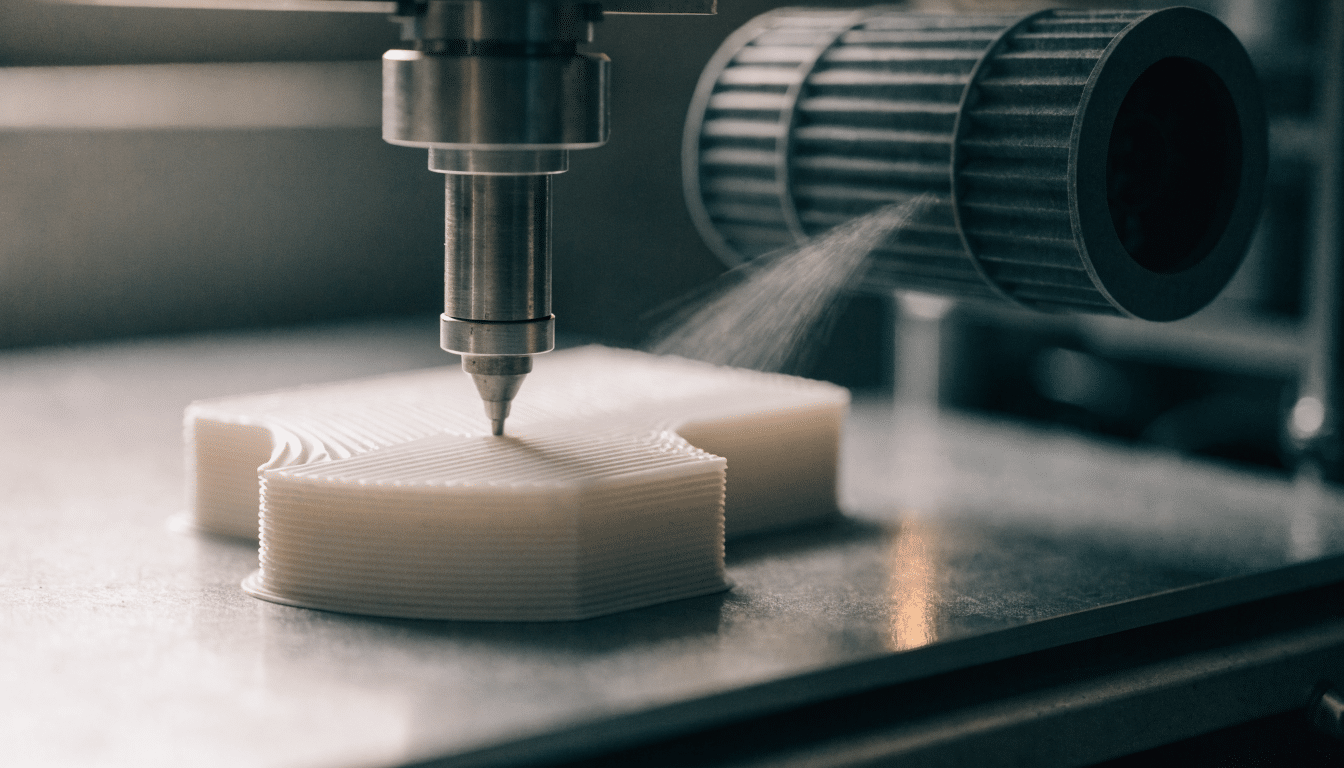
PLA Print Settings: Bed Temp, Nozzle Temp and Speed
PLA is the most forgiving common filament to print, but the settings that make it forgiving are specific to PLA and do not carry…
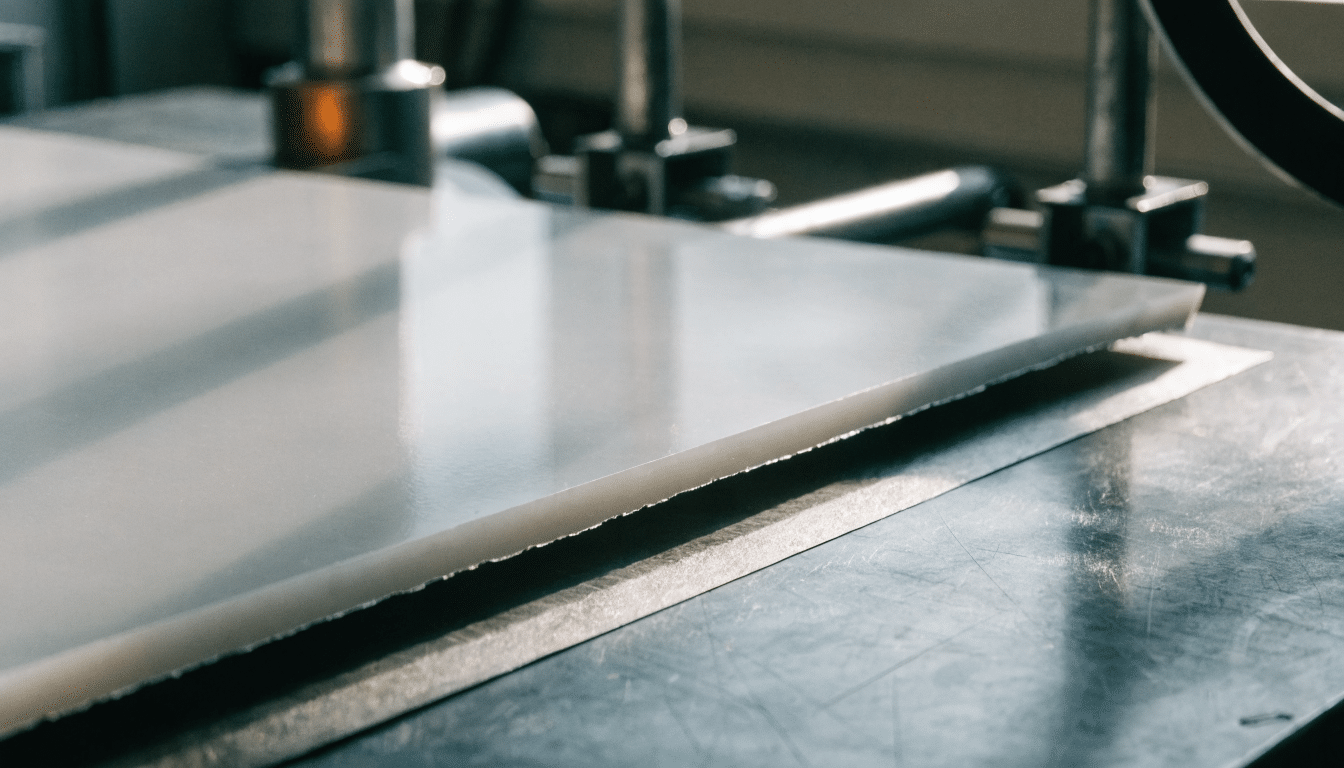
Fix PLA Warping: A Real but Uncommon Signal Worth Double-Checking
PLA shrinks the least of the common filaments, so warping usually points to bed temperature, enclosure heat or a disguised issue.


