PLA
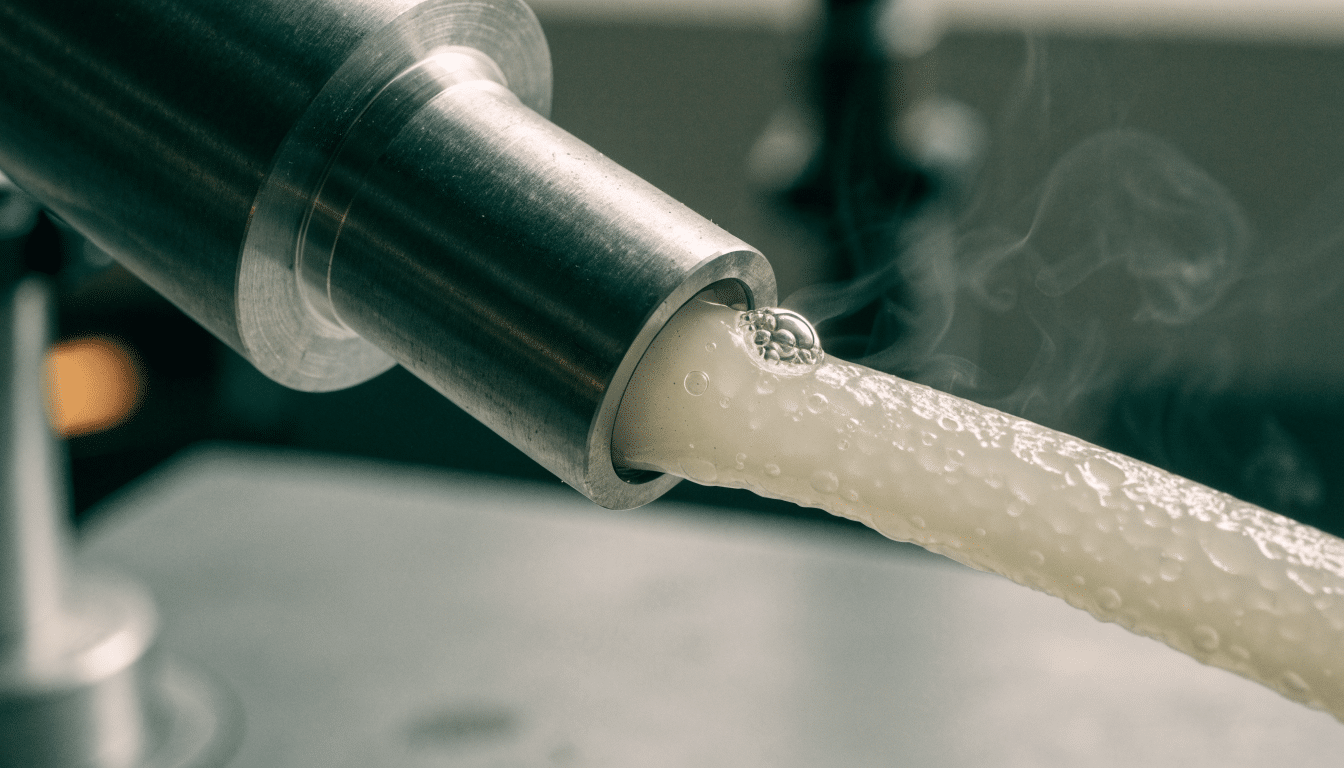
Wet Filament Symptoms: How to Tell Before You Retune the Printer
Recognize popping, bubbles and rough inconsistent flow, compare with known dry material and dry the spool without guessing temperatures.
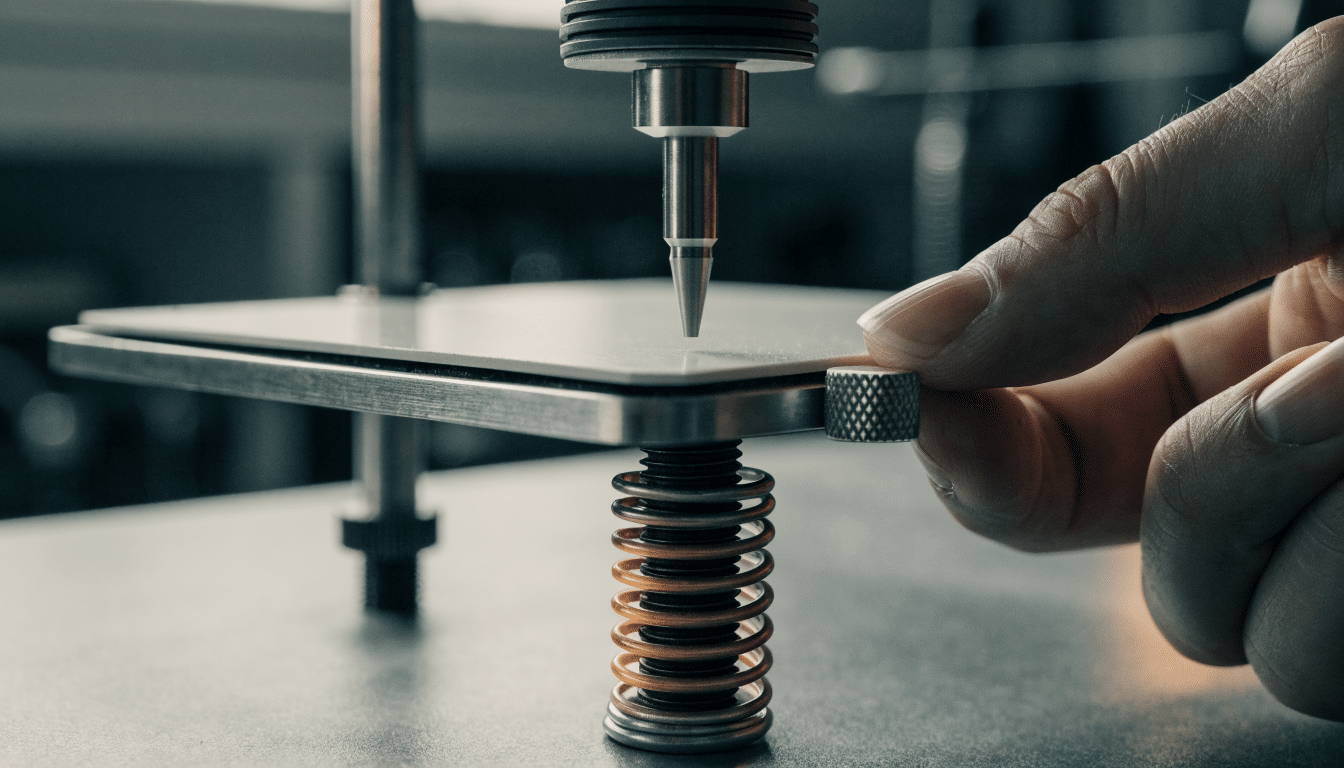
How to Level a 3D Printer Bed Without Chasing the Knobs
Separate bed tramming, bed mesh and Z offset so you can correct an uneven first layer without restarting the same adjustment loop.
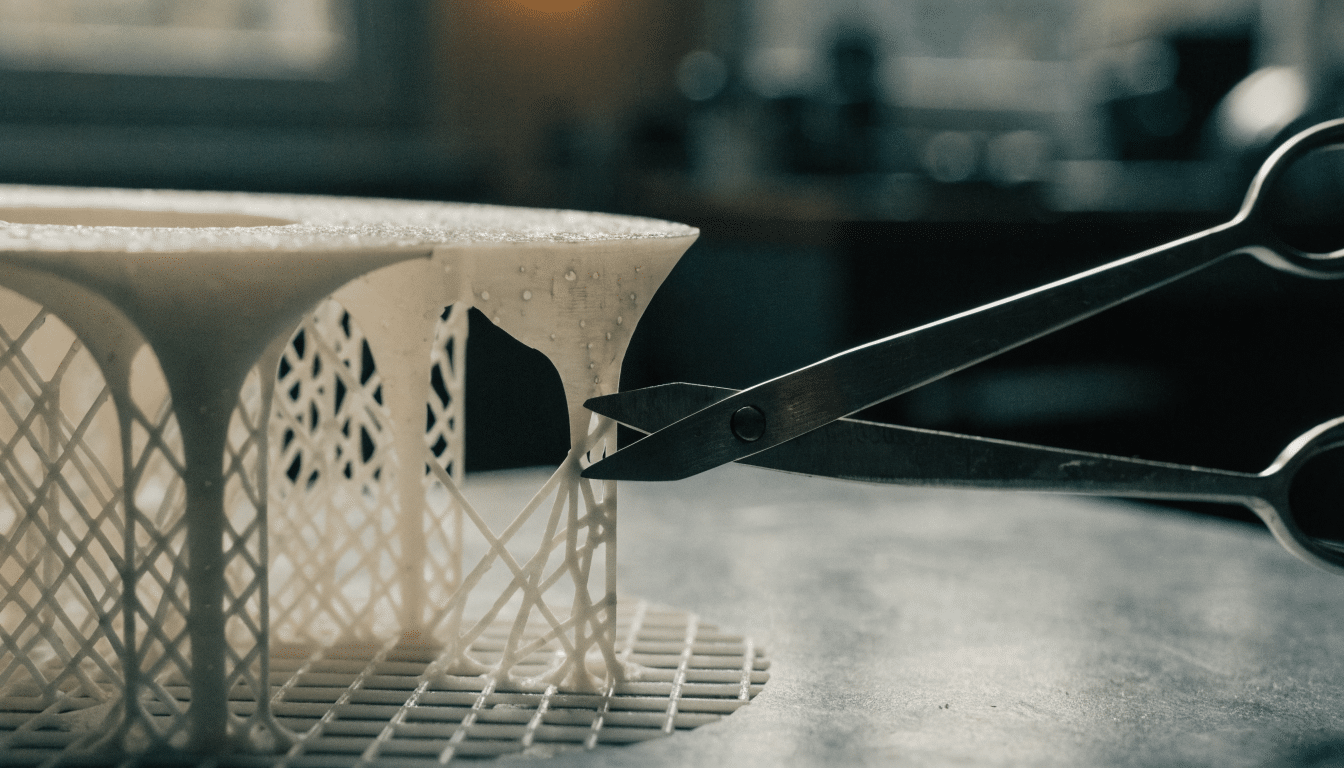
3D Printer Supports: When to Use Them and How to Remove Them
Choose an orientation first, add support only where geometry needs it, and remove it without using dangerous force near fragile features.
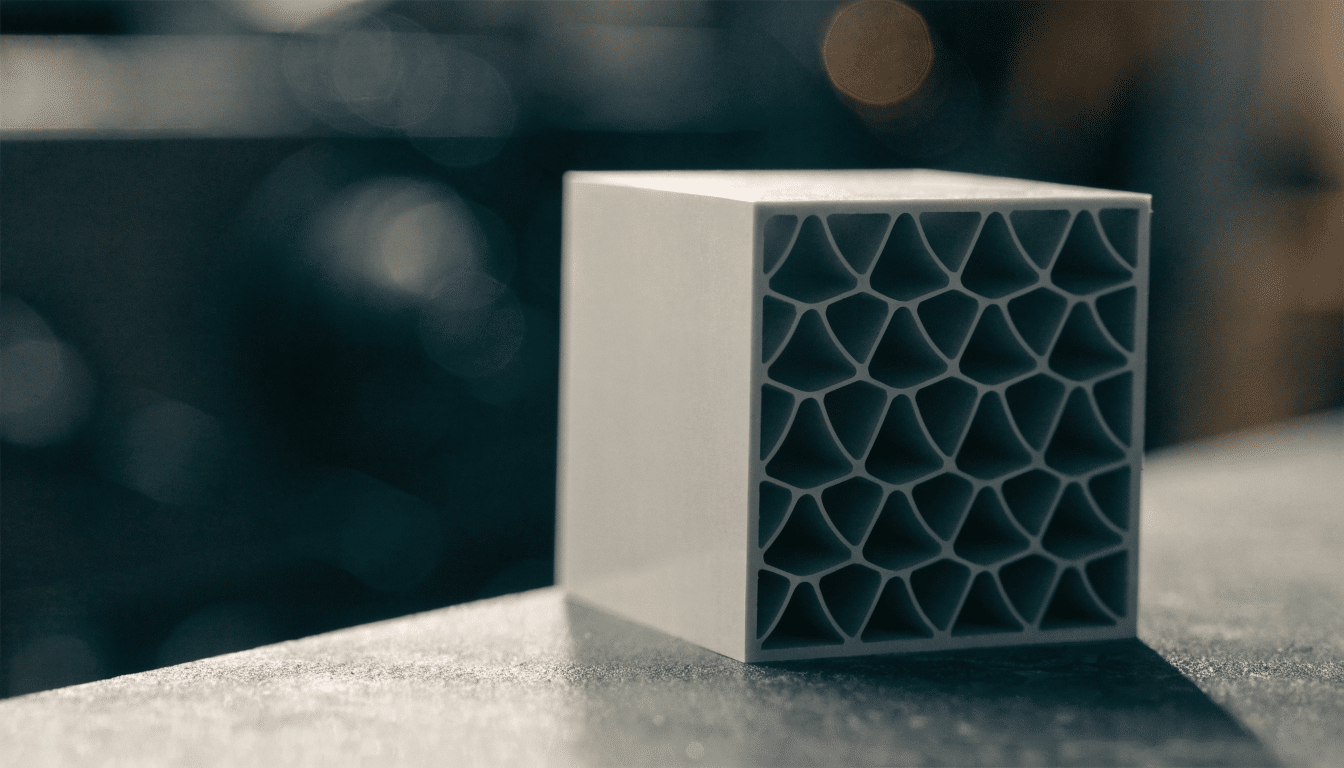
What Is Infill in 3D Printing? Patterns and Percentages Explained
Use infill to support top surfaces and tune stiffness without assuming that a higher percentage is the best route to a stronger part.
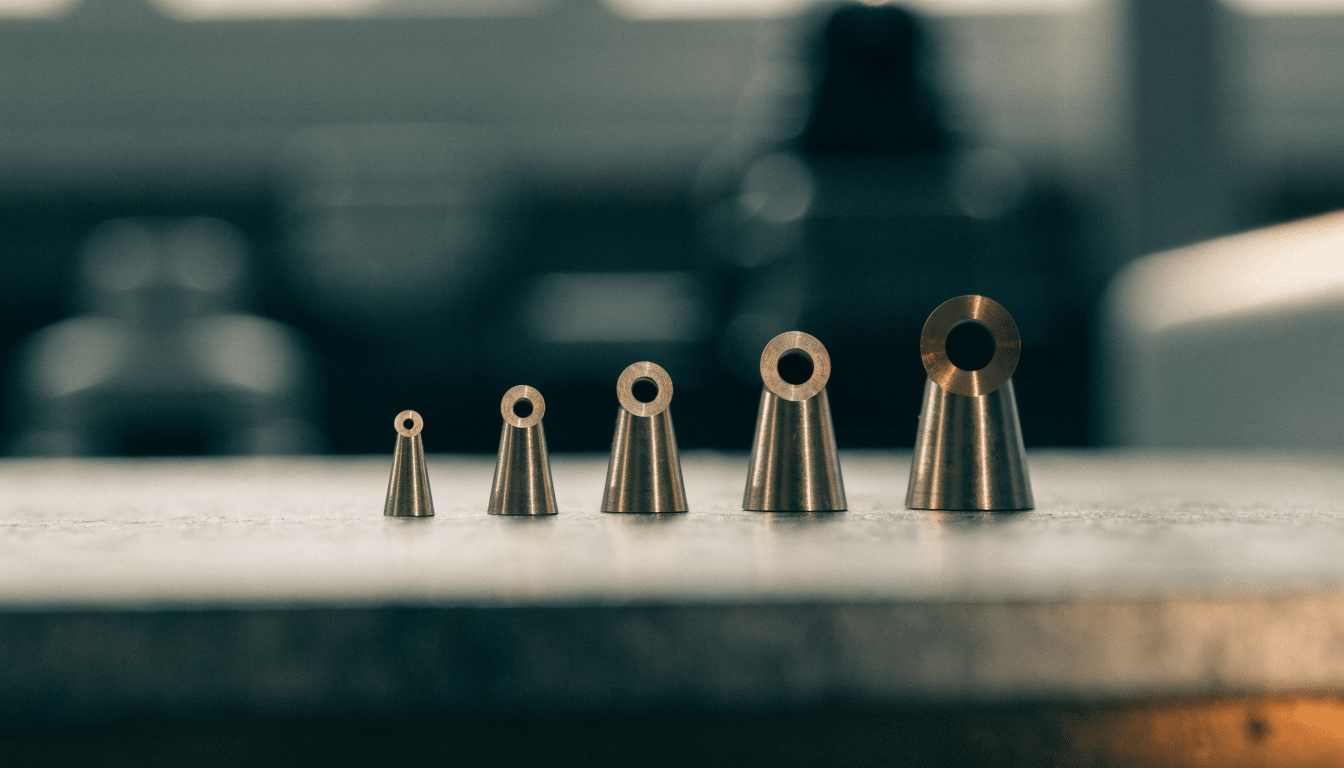
3D Printer Nozzle Sizes: What Changes Beyond 0.4 mm
Compare detail, line width, layer height and flow before changing nozzle size, then update every profile field that depends on it.
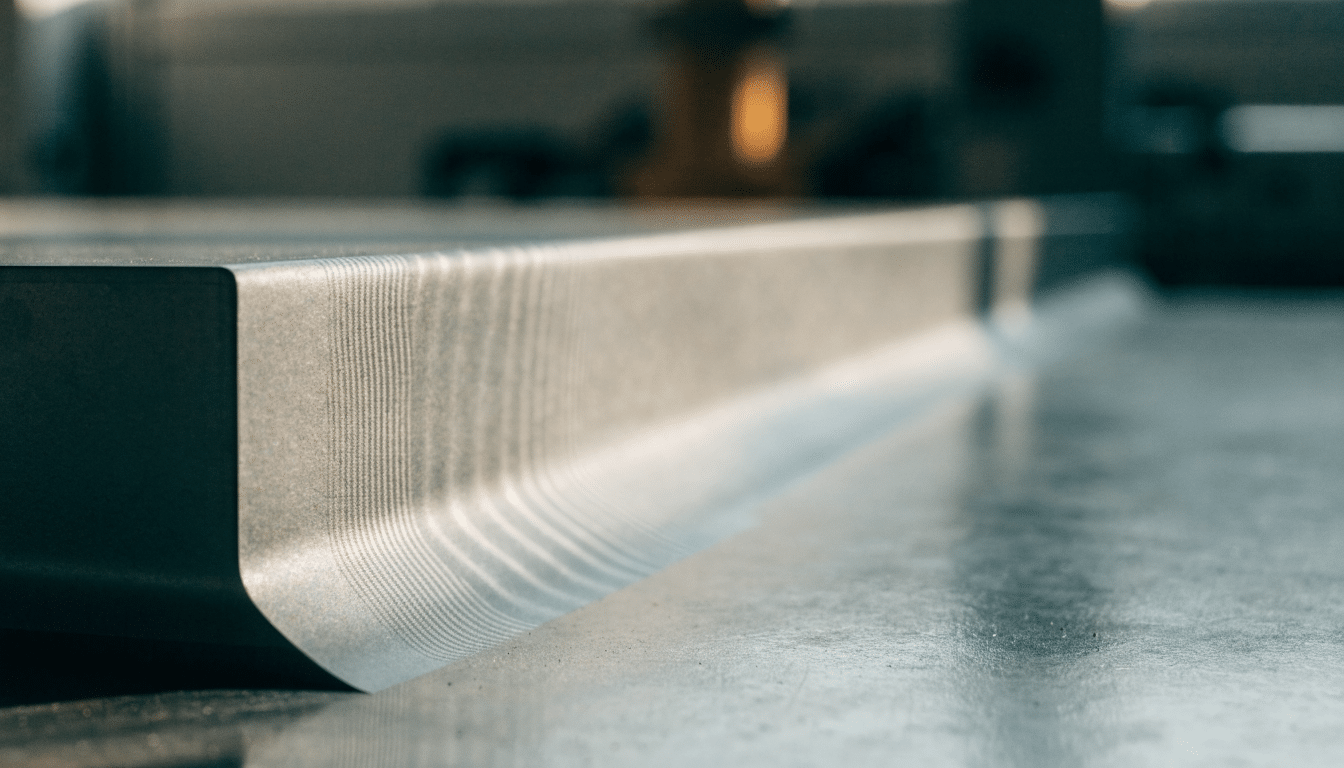
How to Fix Ghosting on 3D Prints Without Overtightening Belts
Trace repeated ripples near corners to motion, frame stability and acceleration before tightening every belt on the printer.
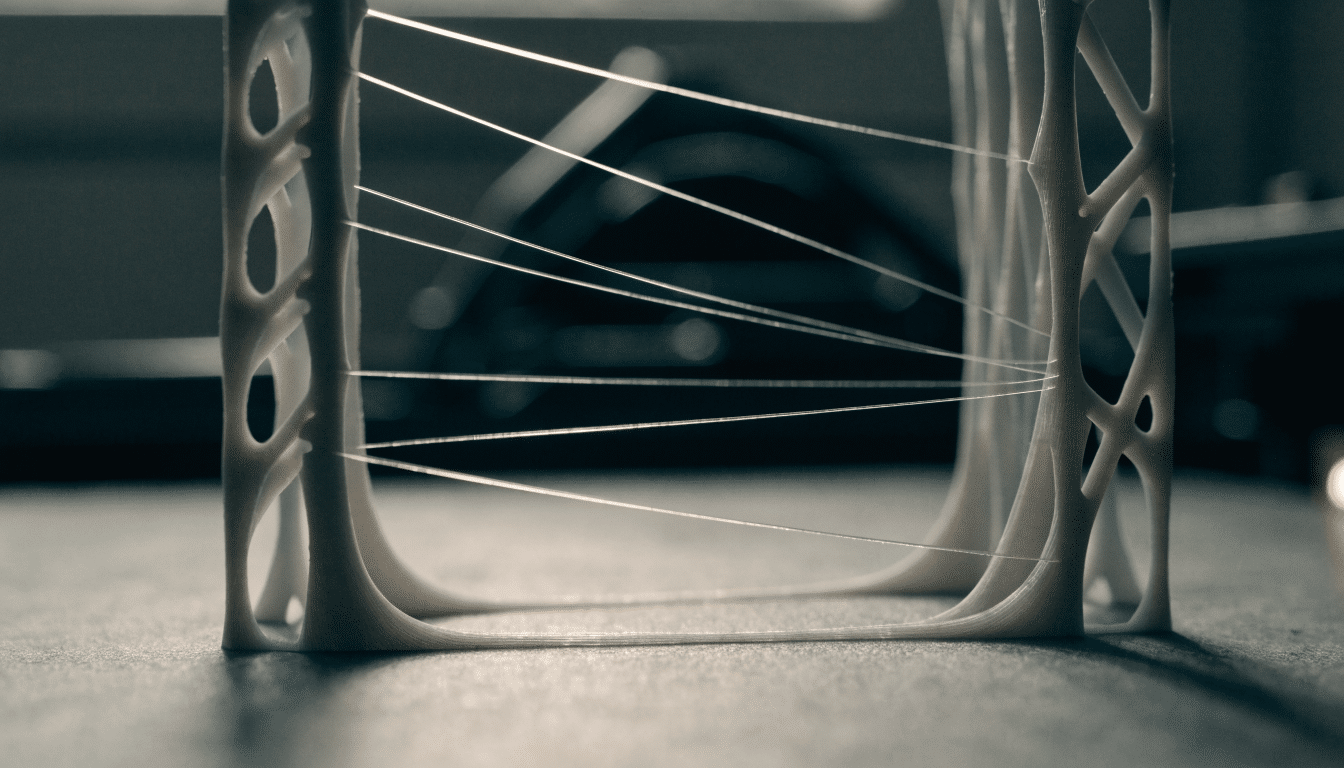
3D Printer Bridging: Fix Sagging Lines Over Open Gaps
Improve short spans with direction, cooling, flow and speed tests before covering the entire model in support material.
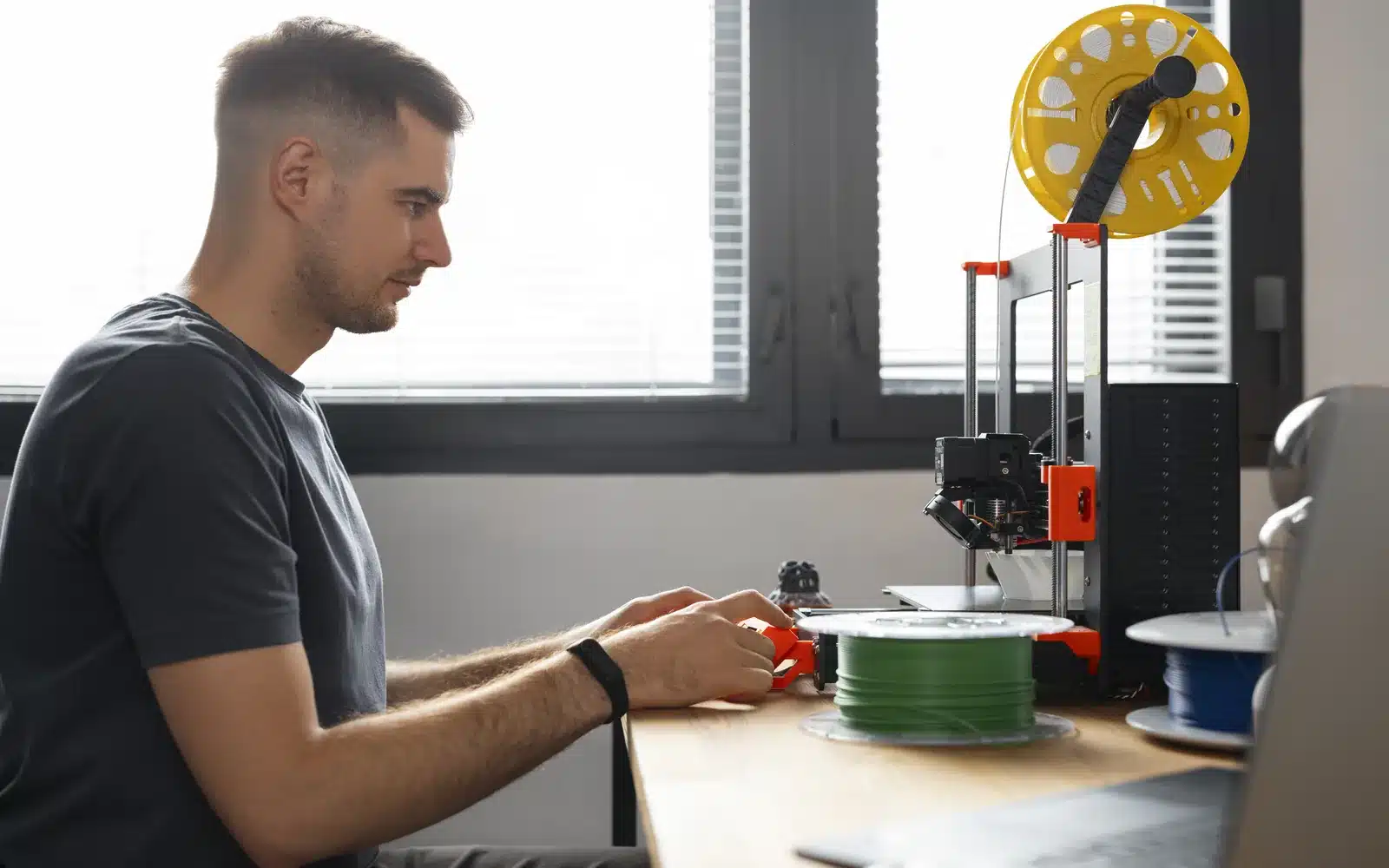
Your First 3D Print: A Beginner Checklist
Load PLA, run the leveling process properly, and actually watch the first layer happen instead of walking away. That’s the whole job on your…
Essential 3D Printer Calibration, in the Right Order
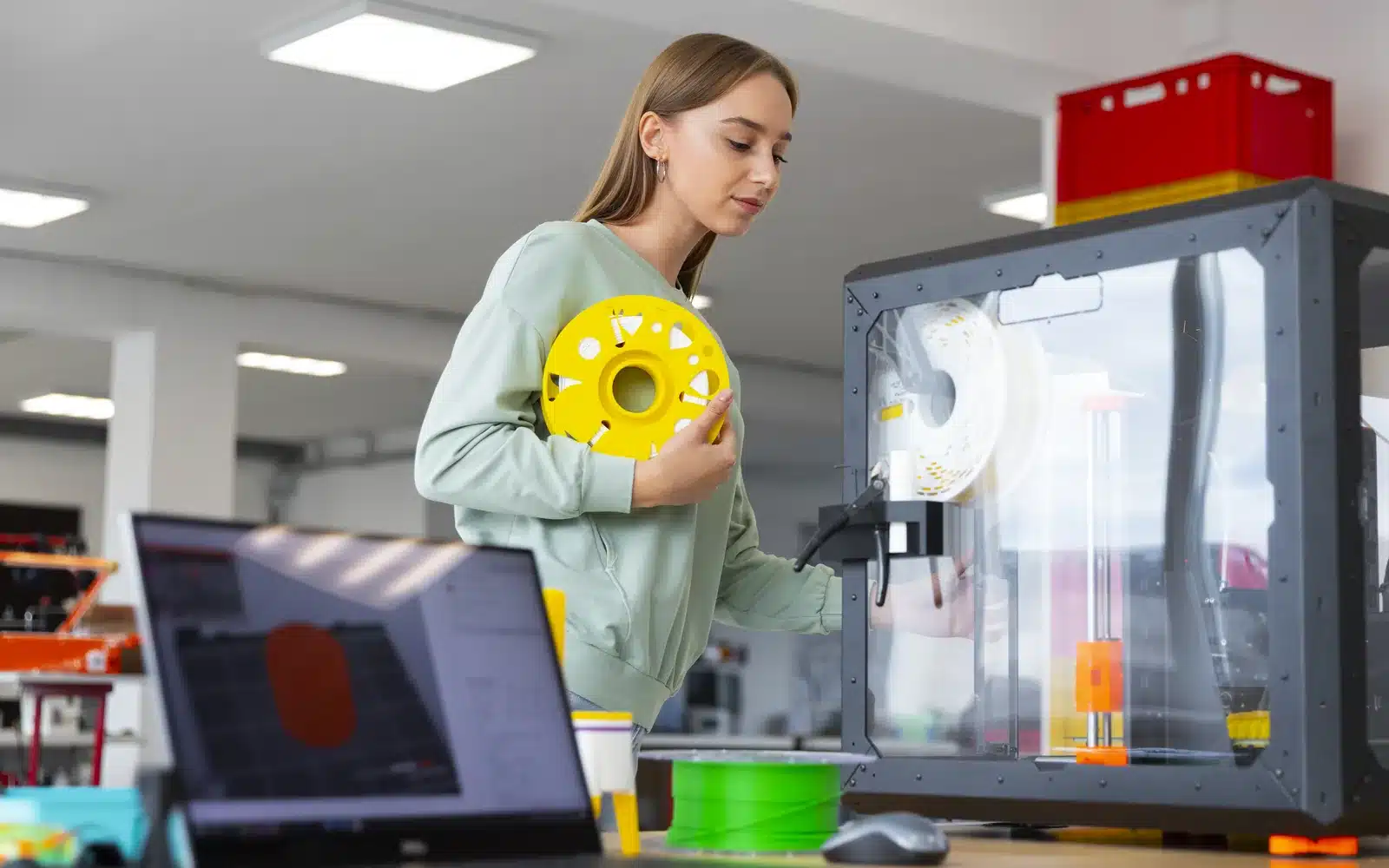
Work through the mechanical foundation, first layer, temperature and flow in that order, and you stop one uncalibrated step from hiding the next.
First Layer Not Sticking: A Safe Diagnostic Sequence
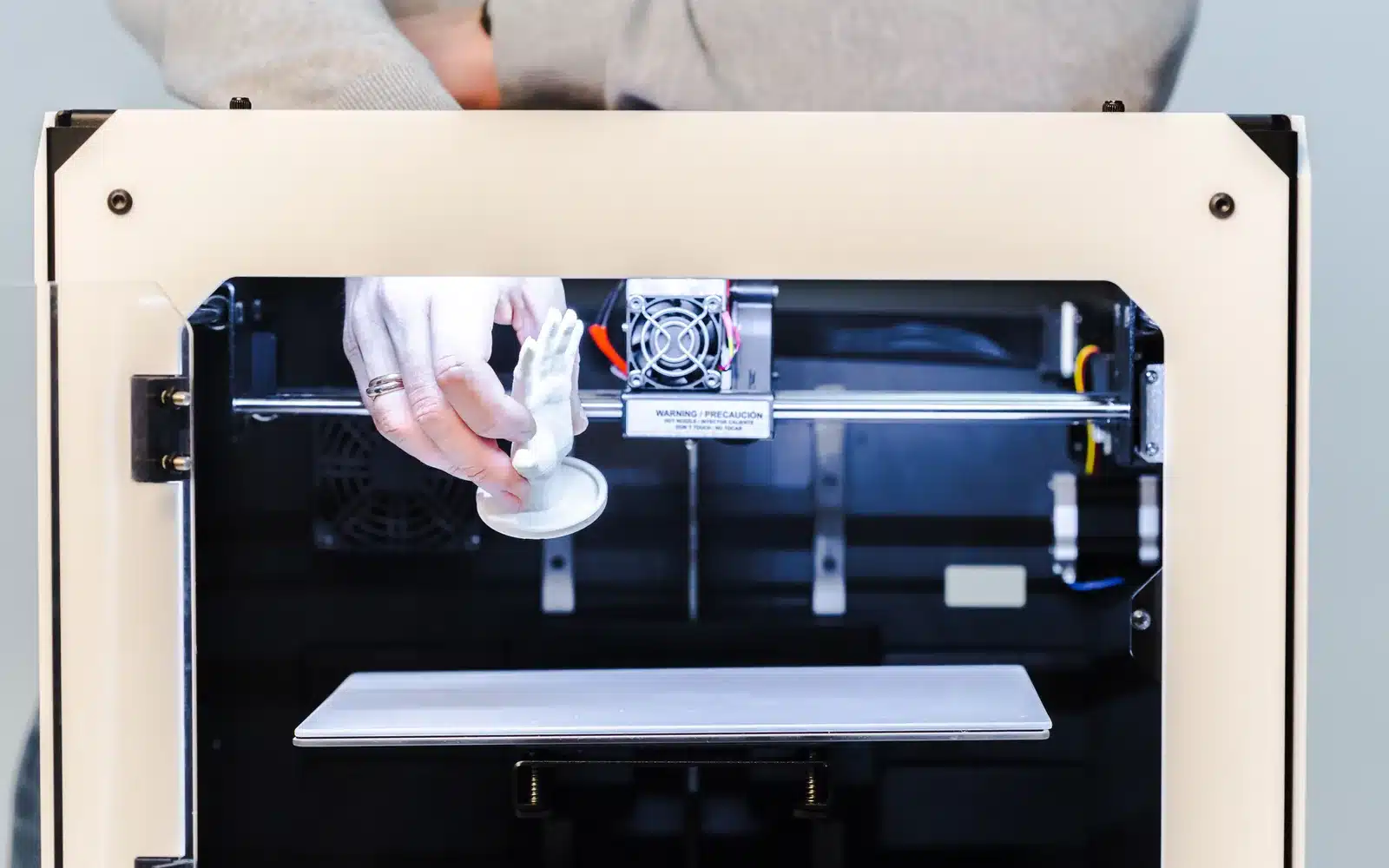
A first layer that will not stick almost always comes down to a dirty plate, a nozzle sitting too far away, or temperatures that…


