Intermediate
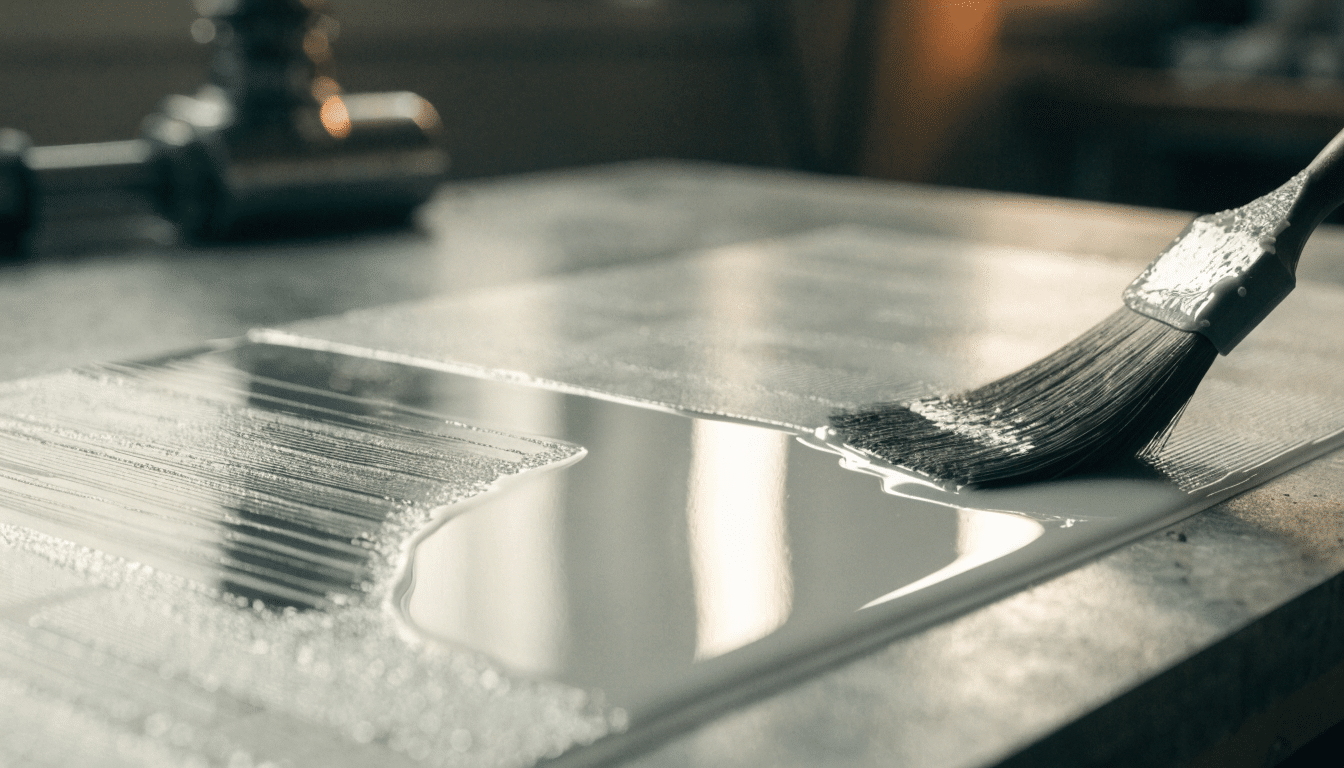
XTC-3D Explained: The Brush-On Epoxy That Actually Smooths PLA Prints
What XTC-3D really is, how to mix and apply it, cure times, safety notes, and the mistakes that ruin a coat before it even…
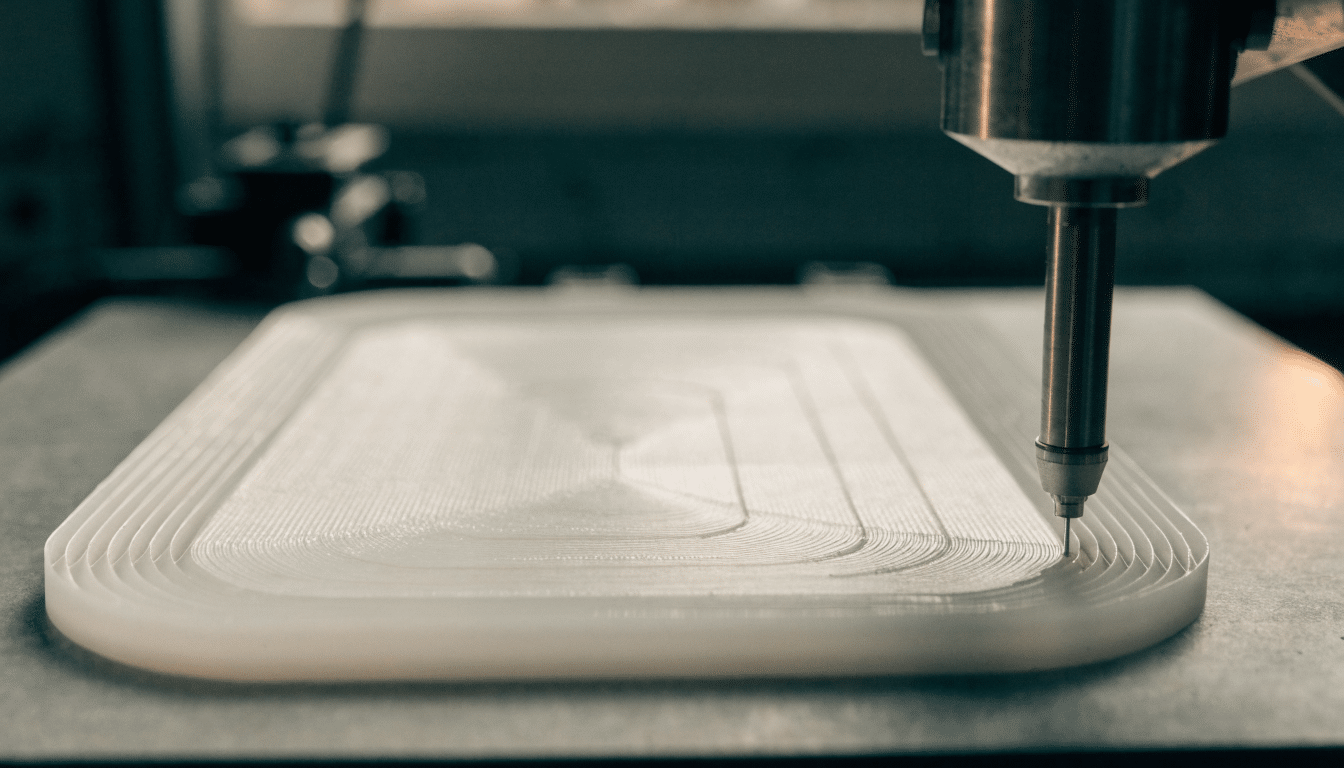
Cura Combing Mode: What Each Option Actually Does
Combing routes the nozzle through already-printed plastic instead of retracting over open air, and picking the wrong mode is why some prints get clean…
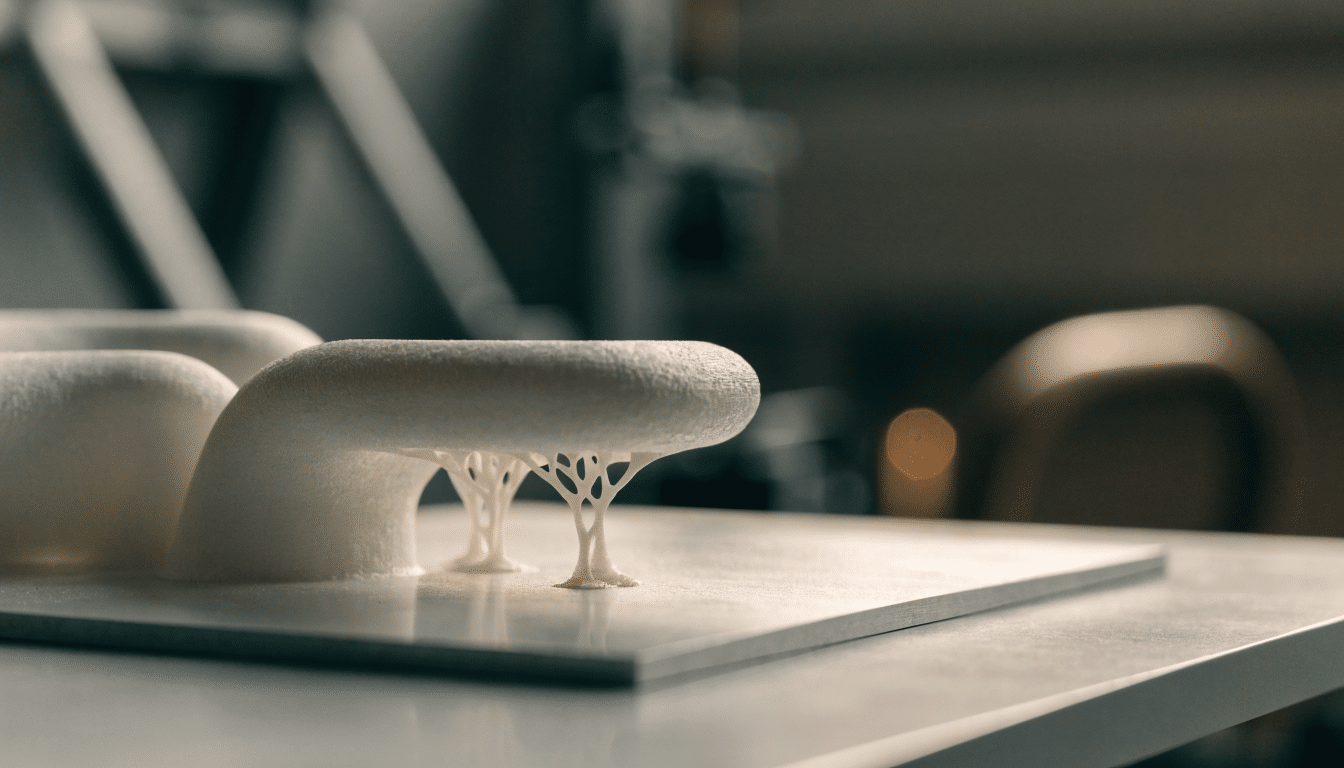
PrusaSlicer Paint-on Supports: Manual Support Placement Explained
Auto-generated supports guess where your model needs help. The paint-on brush lets you tell PrusaSlicer exactly where, down to the triangle, so you stop…
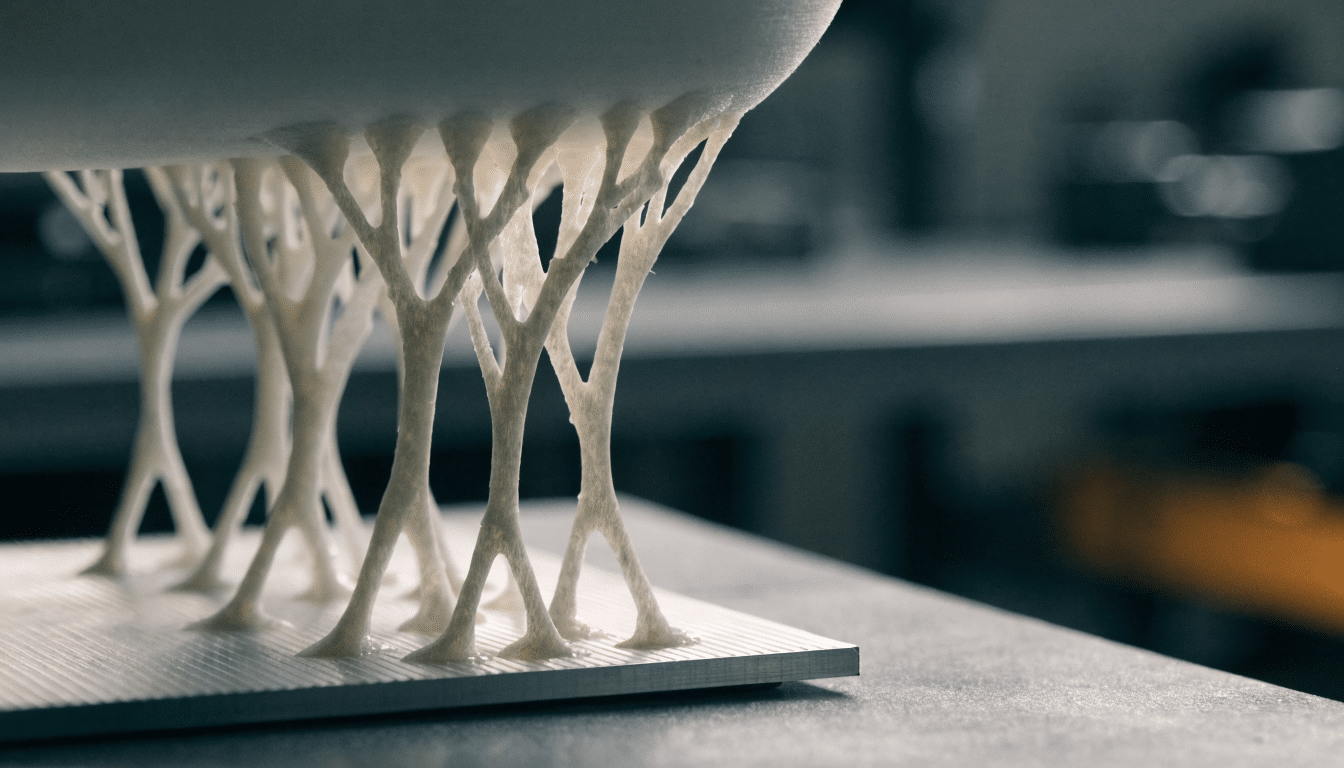
PrusaSlicer Organic Supports: How Branch-Style Settings Work
Organic supports grow like tree branches from the bed and off the model itself, thinning out at the tip and thickening at the base.…
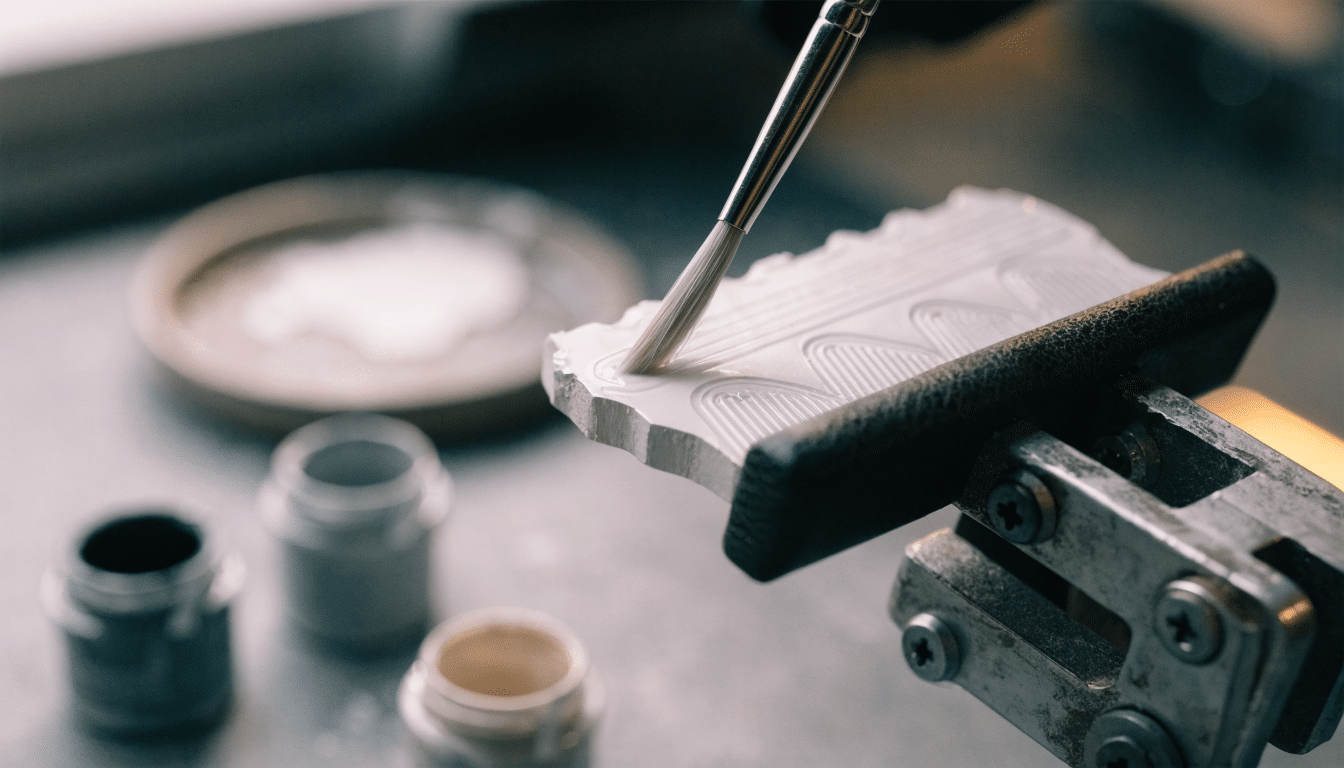
How to Paint 3D Prints: A Practical Guide
Priming, paint types, thin-layer technique, and sealing, the order that actually holds up on a handled part.
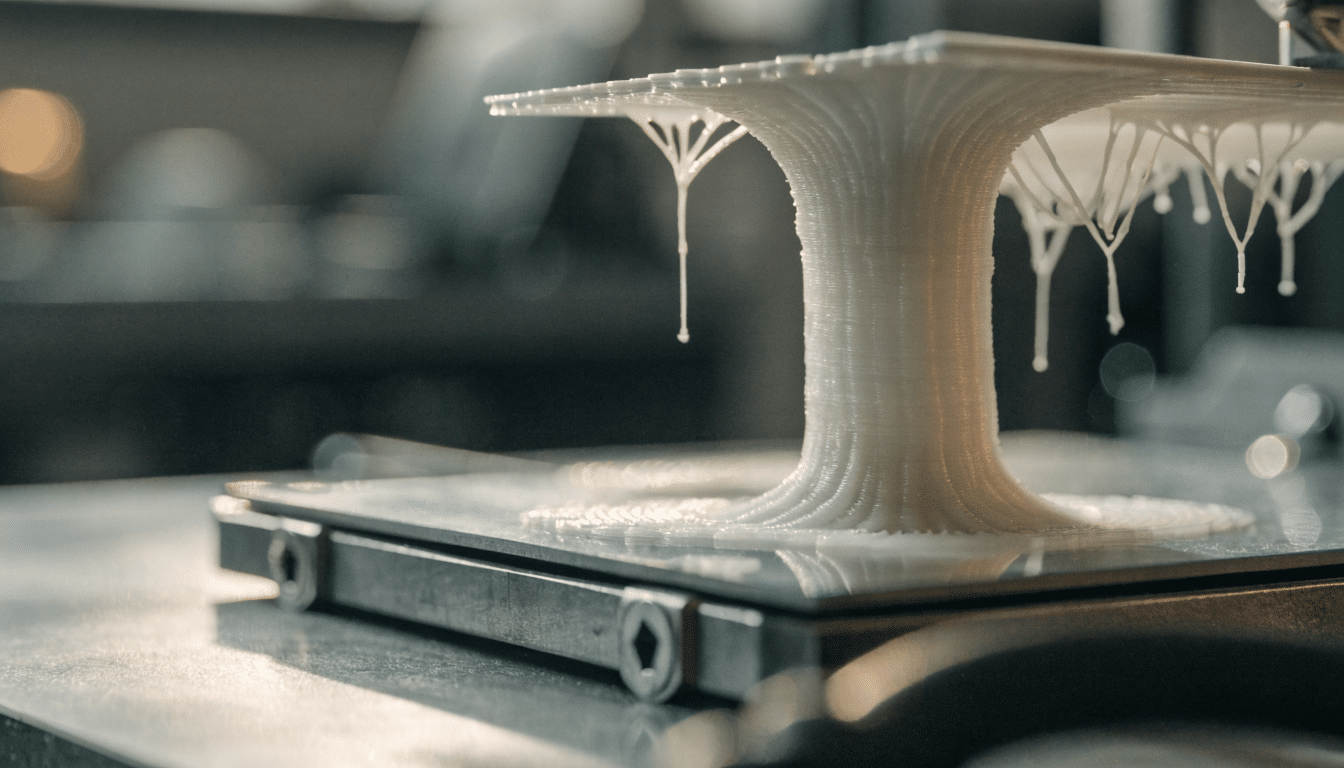
Fix Supports Breaking or Collapsing Mid-Print
Supports that lean, snap or let the model topple while the printer is still running are a structural problem, not a removal problem. Fix…
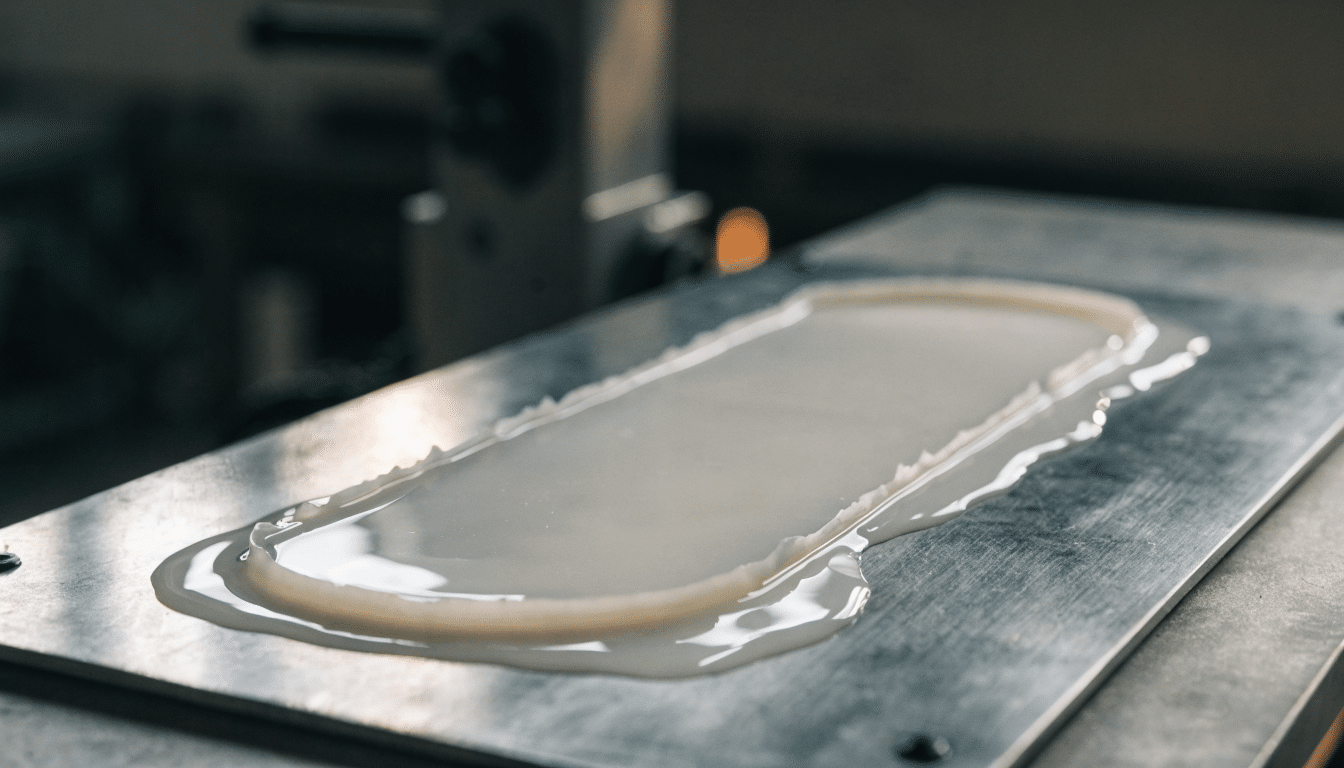
Fix Resin Print Warping: Exposure, Orientation and Temperature
A resin print that warps at the edges while staying stuck to the plate is a curing-stress problem, not an adhesion problem. Fix bottom…
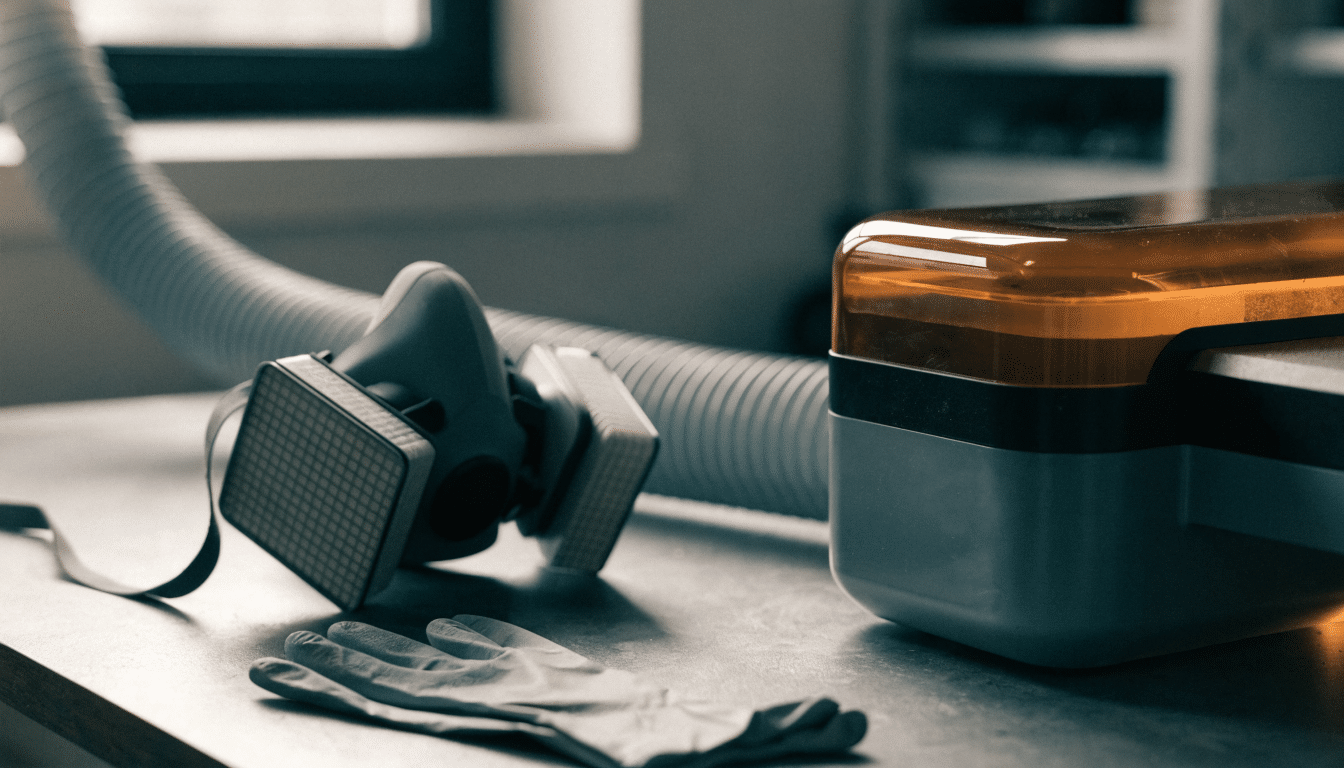
Resin 3D Printer Ventilation: What Actually Protects You From the Fumes
A cracked window is not ventilation. This guide covers what resin fumes actually contain, why an N95 does not stop them, and the respirator…
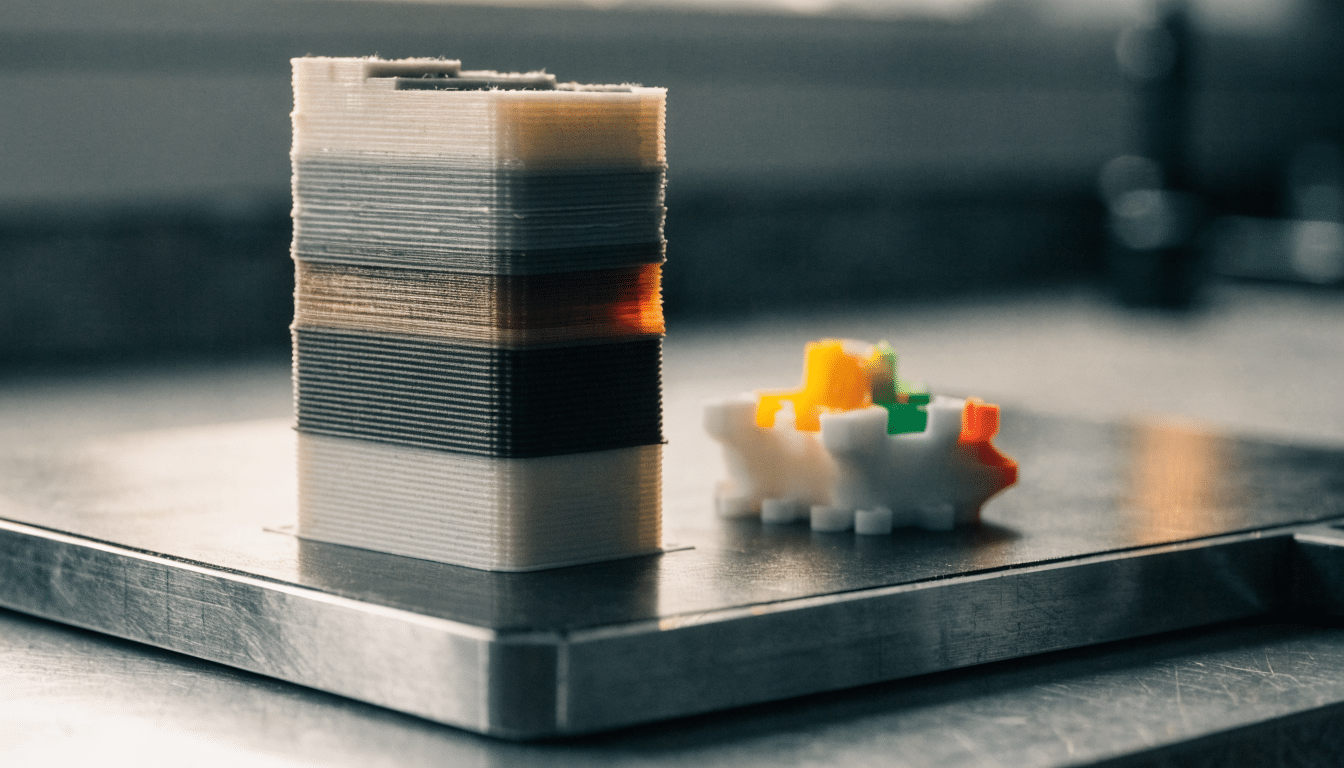
Prime Tower in 3D Printing: What It Does and Why PrusaSlicer Calls It a Wipe Tower
A prime tower gives the nozzle somewhere to purge and stabilize before it lays down a new color, and skipping it on a multi-material…
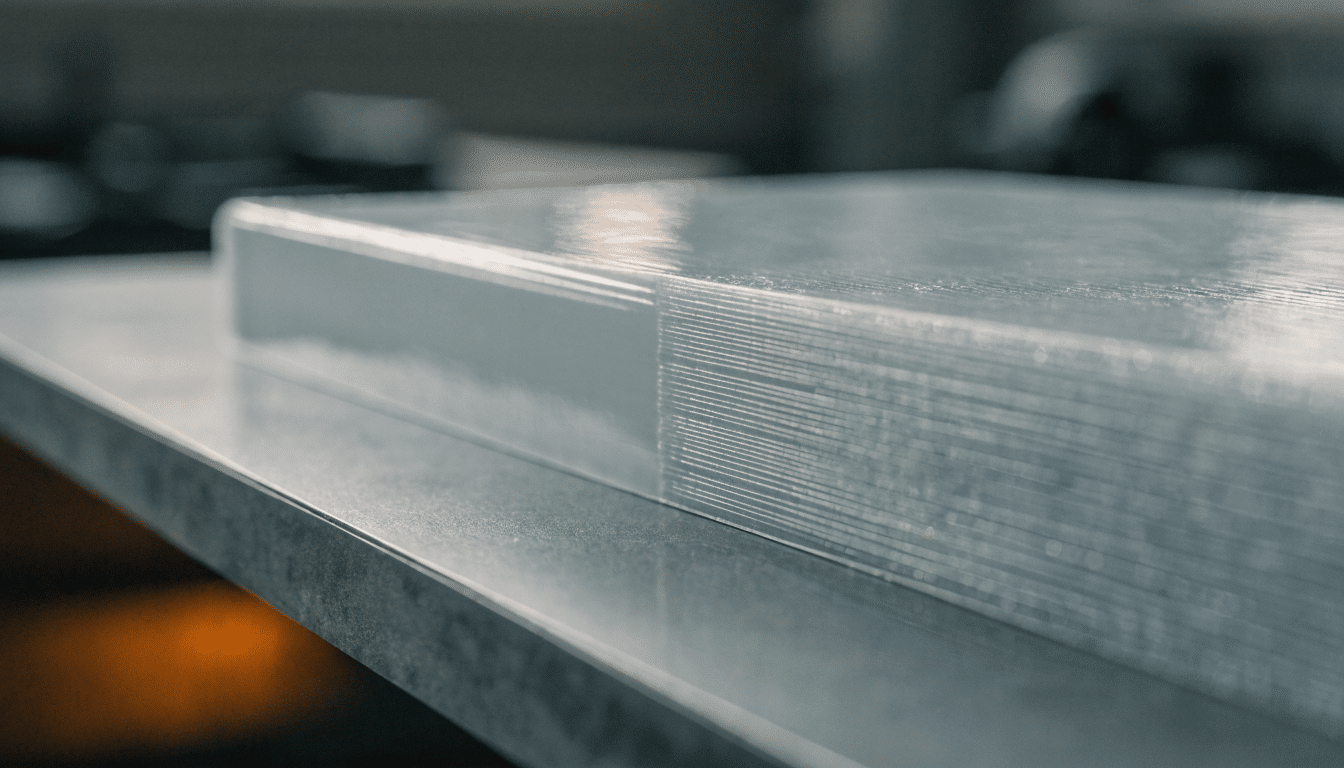
Ironing in 3D Printing: Smooth Top Surfaces Without Clogging the Nozzle
Ironing runs a second, nearly-empty pass over the top layer to melt down ridges into a smooth finish, and the same slow, thin extrusion…


