Intermediate
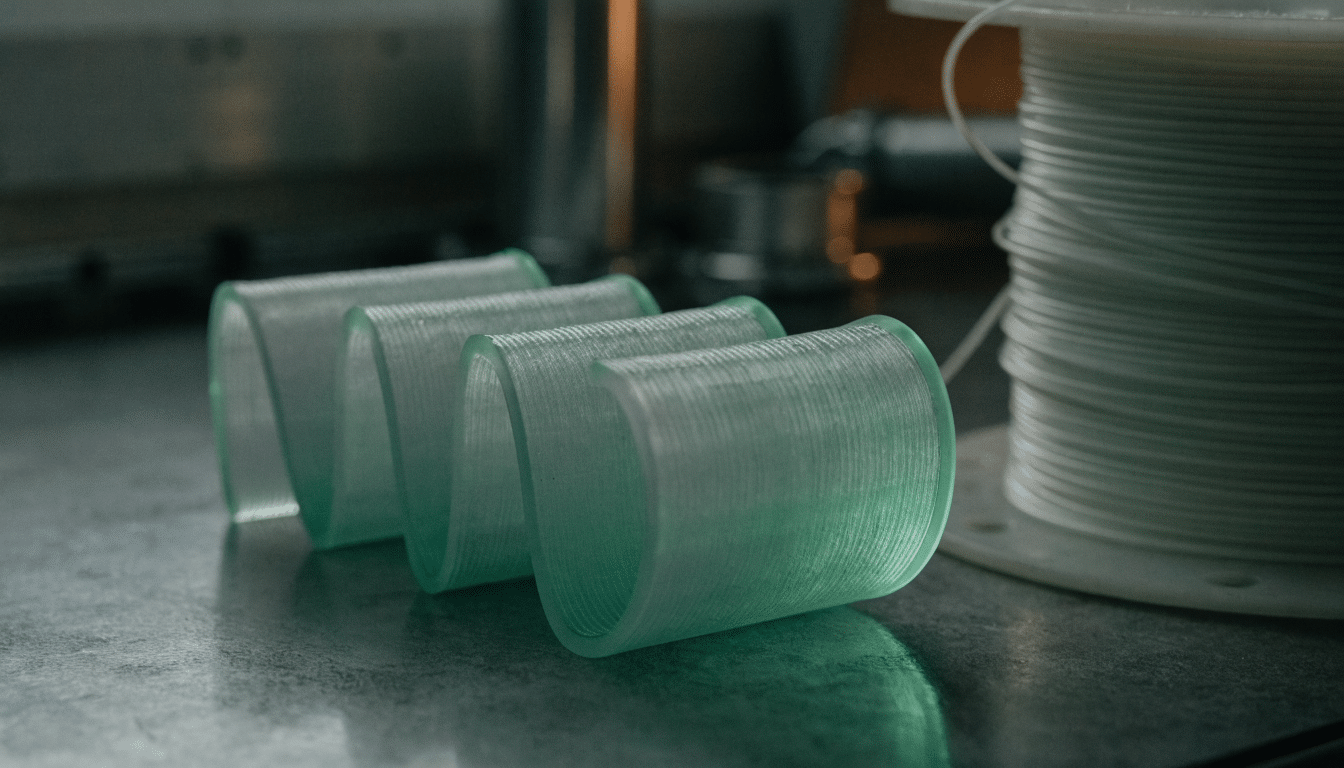
Glow-in-the-Dark Filament: What It Actually Is and How to Print It Well
Glow-in-the-dark filament looks like a novelty item on a spool wall, but there is nothing exotic about the base plastic. In almost every case…
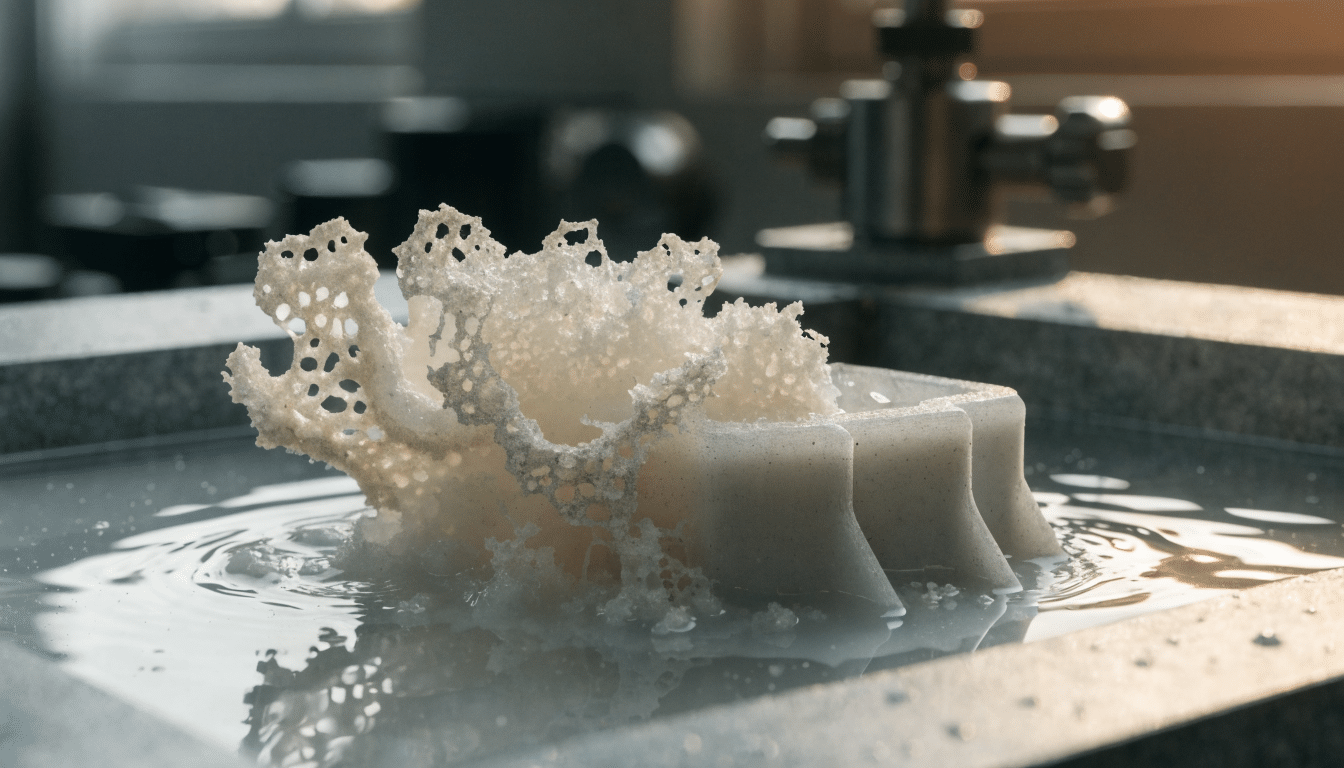
HIPS Filament: What It Actually Is and How to Print and Dissolve It Well
HIPS (high impact polystyrene) gets filed under two very different categories depending on who you ask. Some printers treat it as a standalone material,…
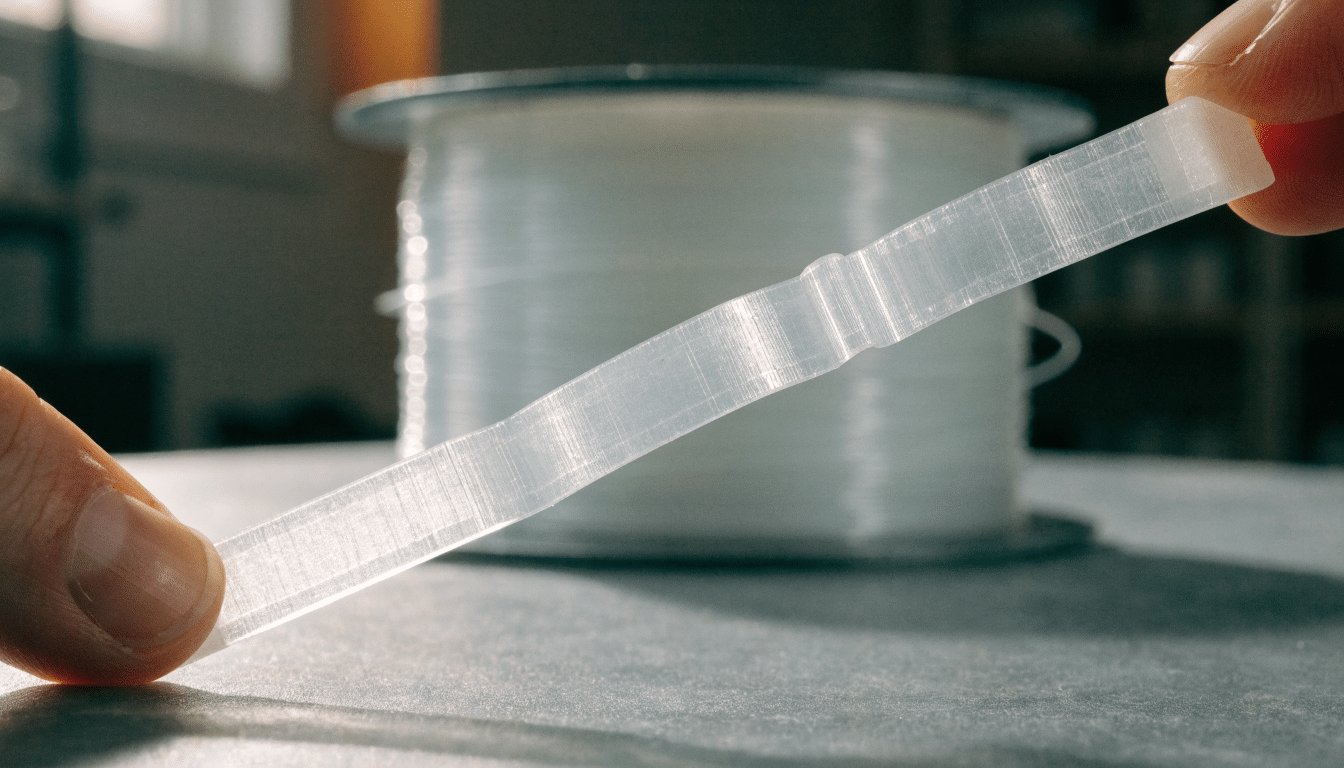
Polypropylene (PP) Filament: What It Actually Is and How to Print It Well
Polypropylene shows up in bottle caps, hinged food containers, car interior trim, and lab equipment for good reason: it shrugs off chemicals, bends thousands…
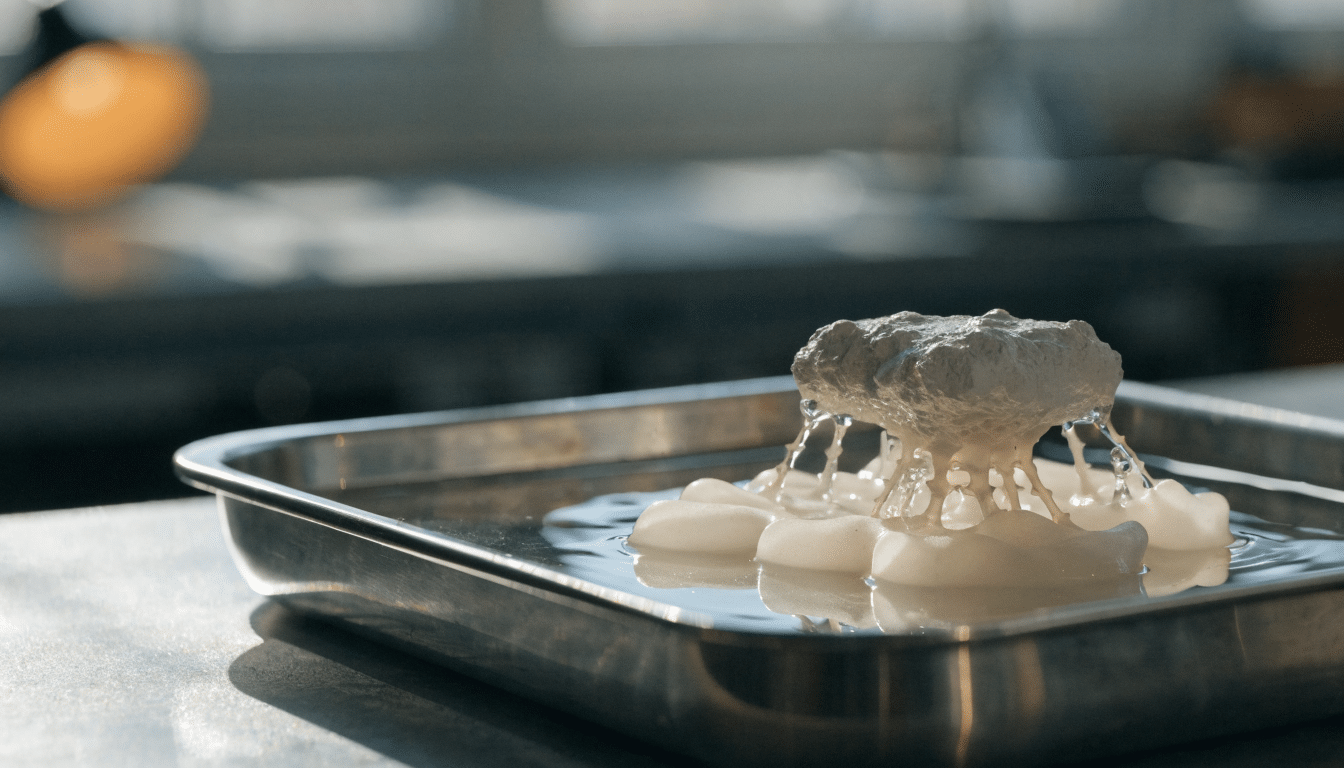
PVA Filament: What It Actually Is and How to Print It Well
PVA filament is polyvinyl alcohol, a water-soluble polymer used almost exclusively as a support material rather than as a standalone print material. It gets…
Cura vs PrusaSlicer vs OrcaSlicer: Which Slicer Fits Your Printer
Cura, PrusaSlicer and OrcaSlicer all turn the same STL into working G-code, but they default to different priorities, broad compatibility, mature supports, or built-in…
ABS vs Nylon: Everyday Toughness or Wear-Resistant Strength
ABS and nylon both get filed under “tougher than PLA,” but nylon actually outmuscles ABS on strength and wear resistance, and the real tradeoff…
PC vs ABS: When Heat Resistance Alone Isn’t Enough
ABS and PC both get filed under “tougher engineering plastics,” but PC only earns its higher price and harder print process when a part…
Silk PLA Filament: What Makes It Shine, and Why It Prints Differently From Regular PLA
Silk PLA is the filament people buy for the surface it leaves behind, not for anything it does structurally. It is still PLA underneath,…
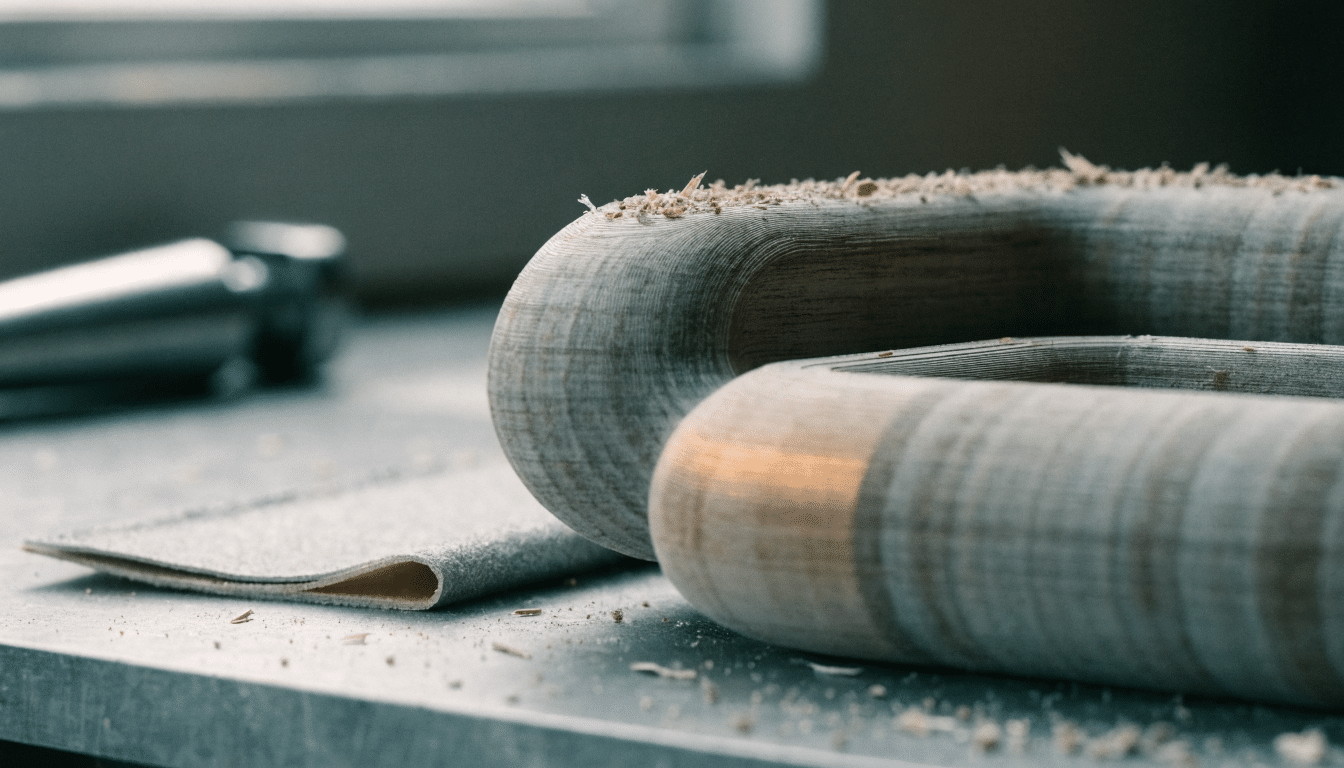
Wood Filament: What It Actually Is and How to Print It Well
Wood filament is PLA with real wood particles mixed in, not a plastic that merely looks like wood. That distinction explains almost everything else…
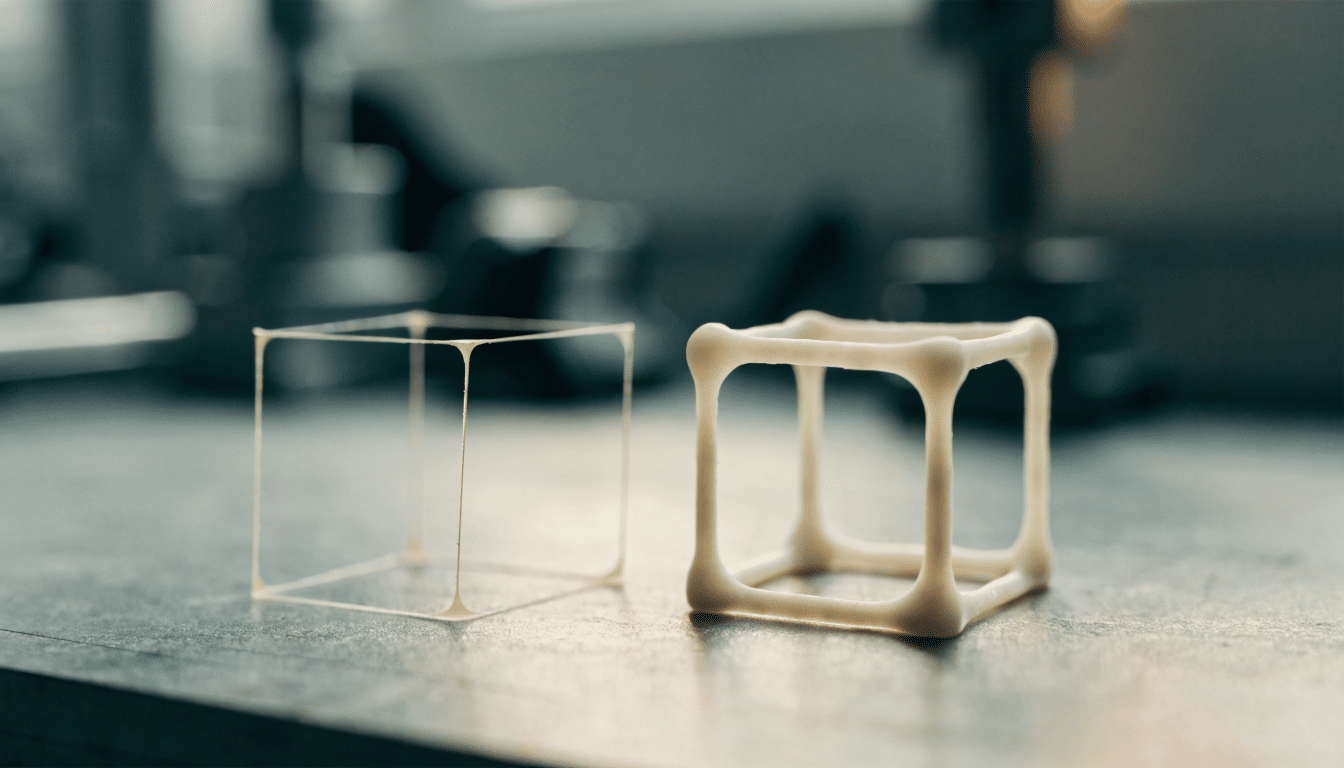
Under-Extrusion vs Over-Extrusion: Telling Them Apart Before You Touch the Flow Rate
Under-extrusion and over-extrusion can look confusingly similar on a print’s surface, but they come from flow moving in opposite directions, and fixing one when…


