Intermediate
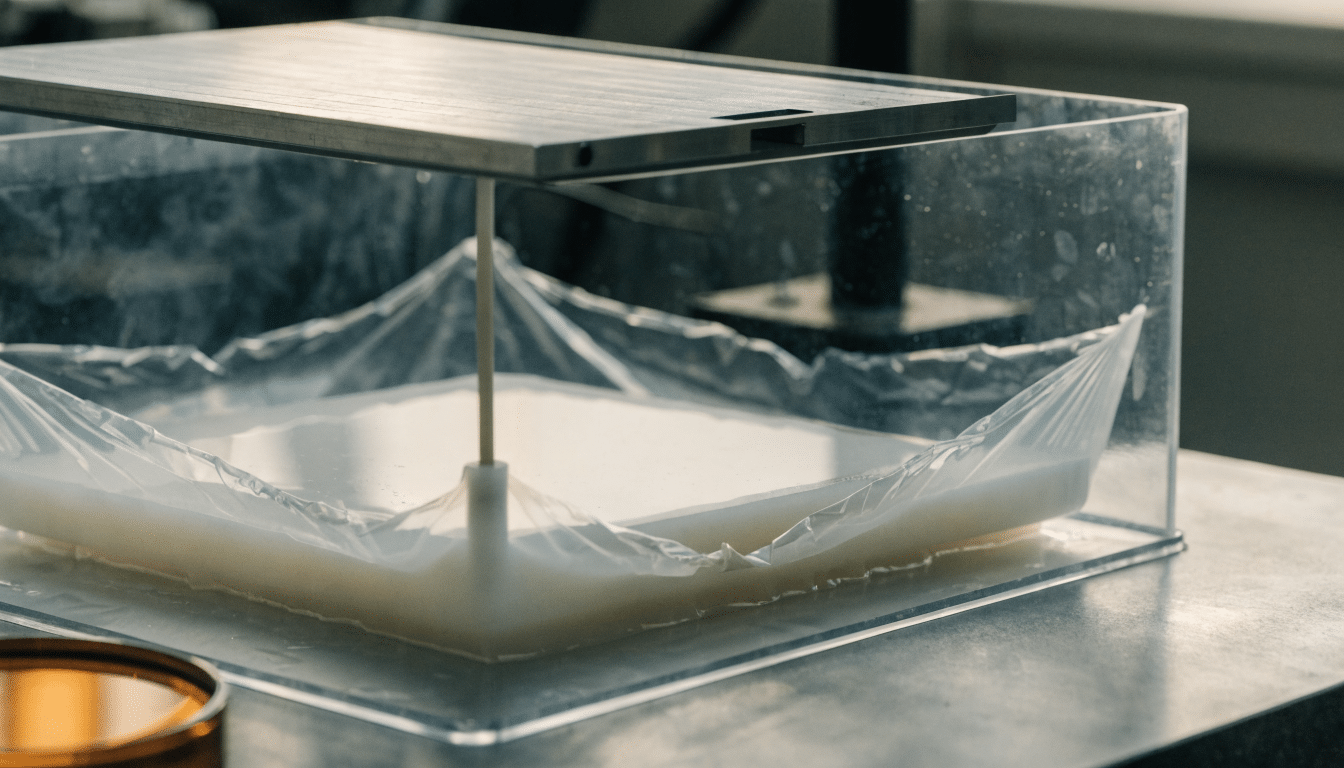
Fix Resin Prints Stuck to the FEP: Peel Speed and Film Tension
When cured resin stays stuck to the vat film instead of releasing with the build plate, the fix is in peel speed, film tension…
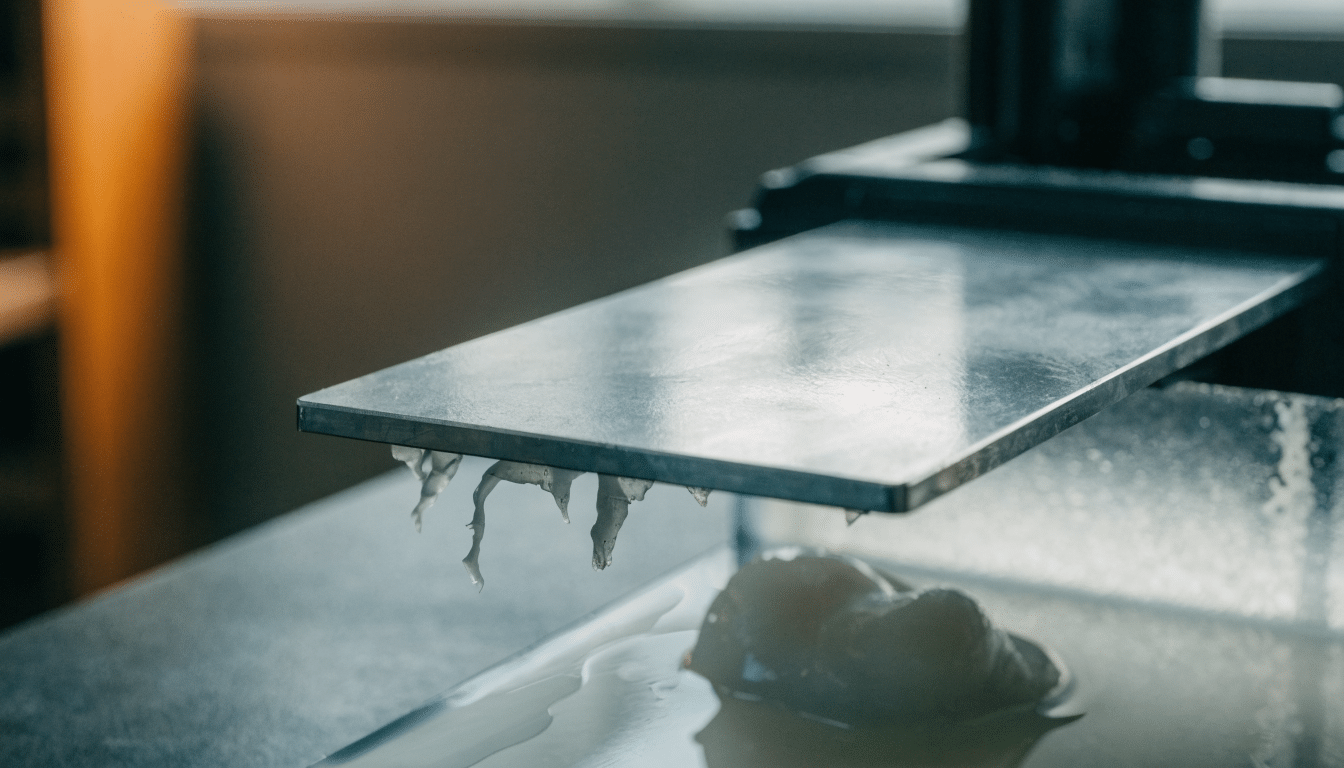
Fix Resin Prints Not Sticking to the Build Plate: Z-Offset and Leveling
A resin print that lets go of the build plate in the first few layers is usually a distance problem, not an exposure problem.…
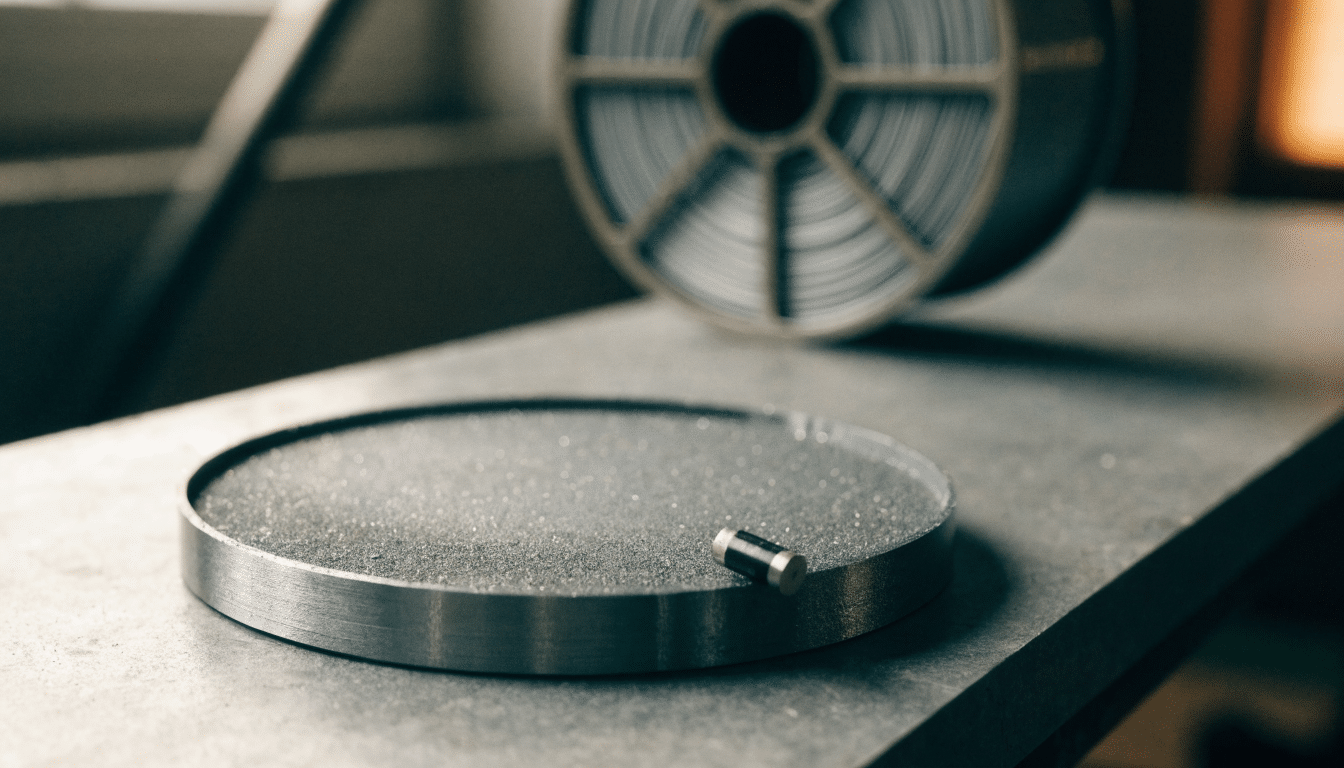
Magnetic Filament: What It’s Actually Good For (and Its Limits)
Magnetic filament is iron-filled PLA that’s ferromagnetic, not actually magnetic, the same way a steel nail sticks to a magnet without being one. Real…
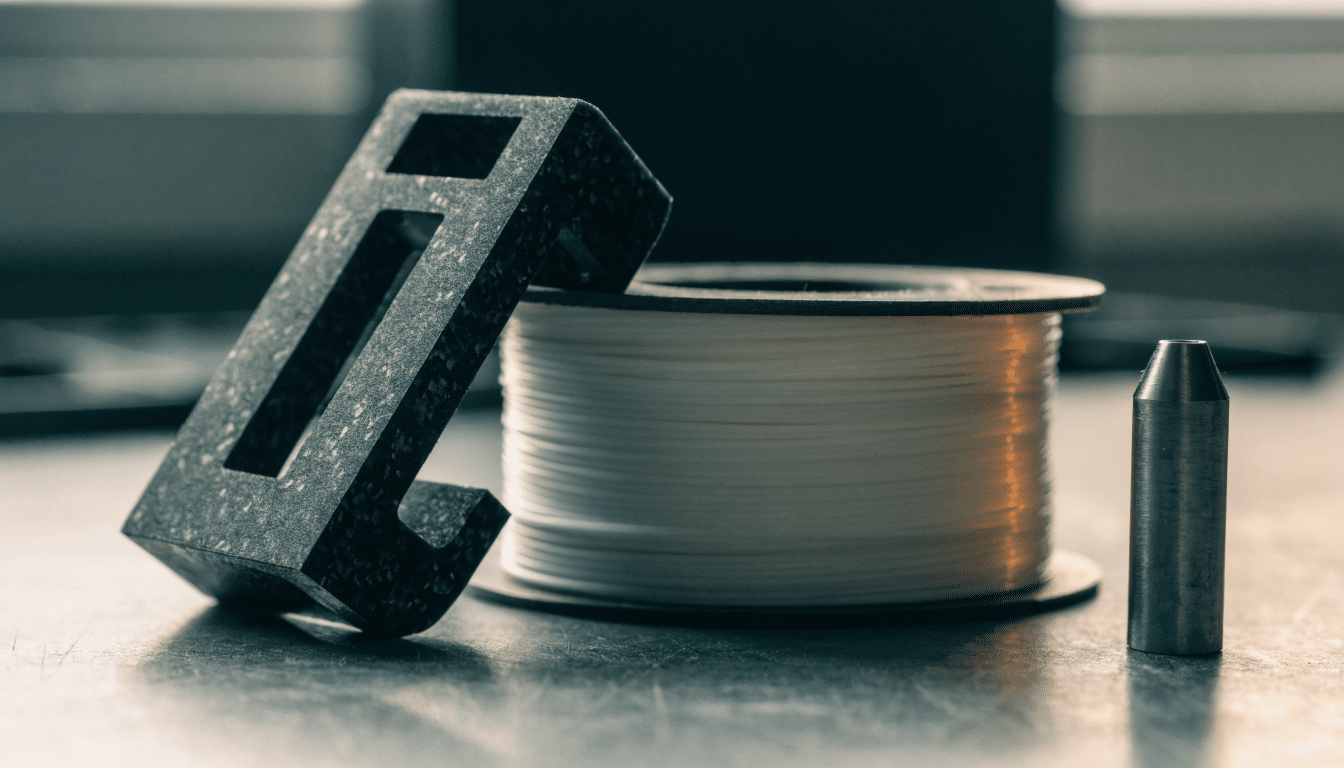
Nylon-CF Filament: What Carbon Fiber Adds to Nylon
Nylon-CF blends carbon fiber into PA6, PA11, or PA12, and the base polymer matters as much as the fiber: PA6 grades run stiffer, PA12…
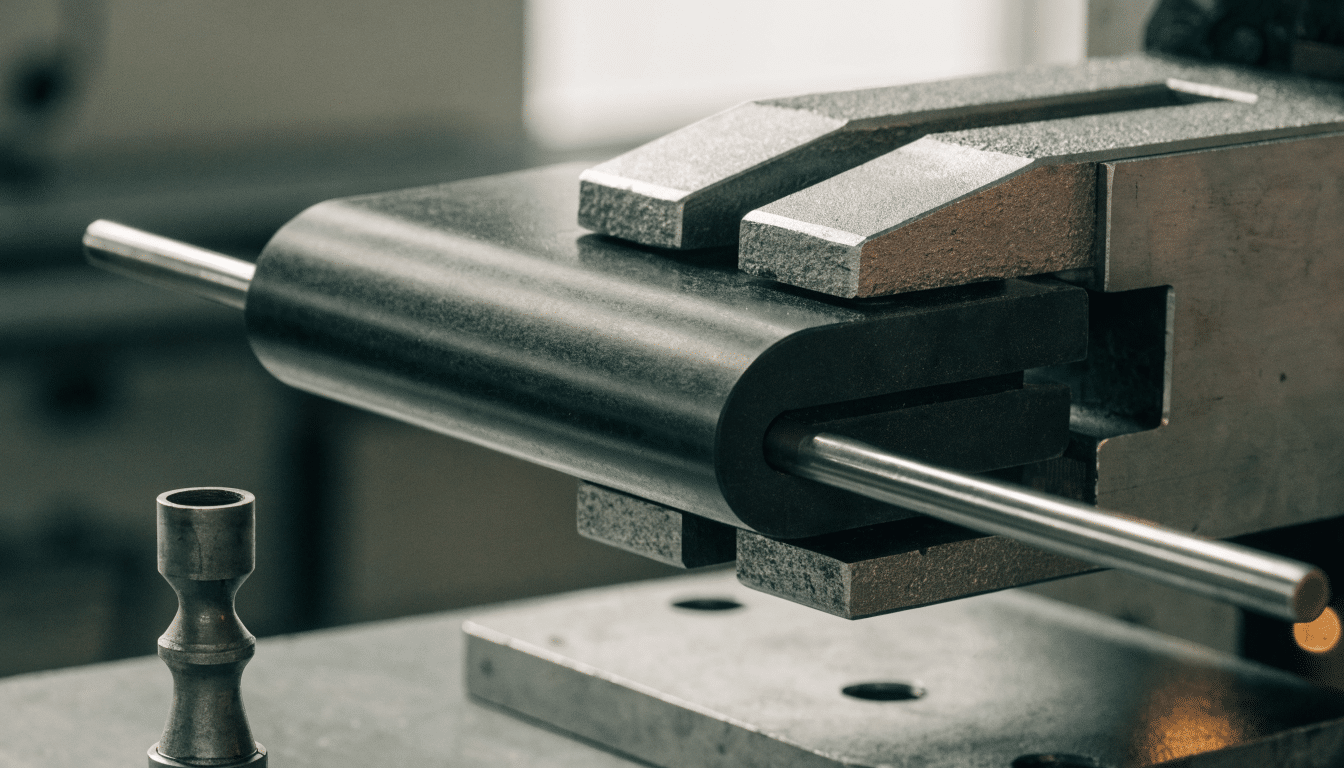
PC-CF Filament: What Carbon Fiber Actually Adds to Polycarbonate
PC-CF blends chopped carbon fiber into polycarbonate for real stiffness and heat-resistance gains, but data sheets disagree on whether it needs an enclosure, and…
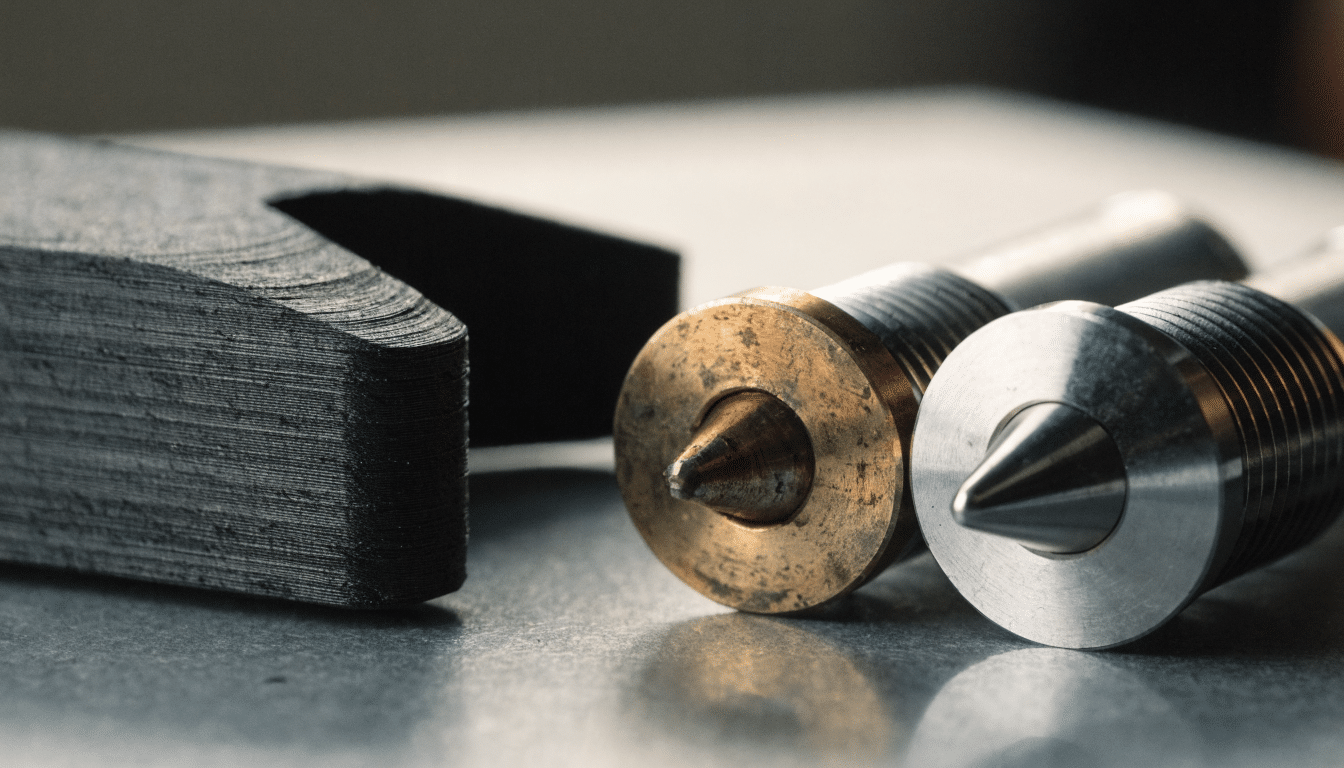
PETG-CF Filament: What Carbon Fiber Actually Adds to PETG
PETG-CF is regular PETG with 10 to 20 percent chopped carbon fiber mixed in, and it trades some of PETG’s flexibility for stiffness, dimensional…
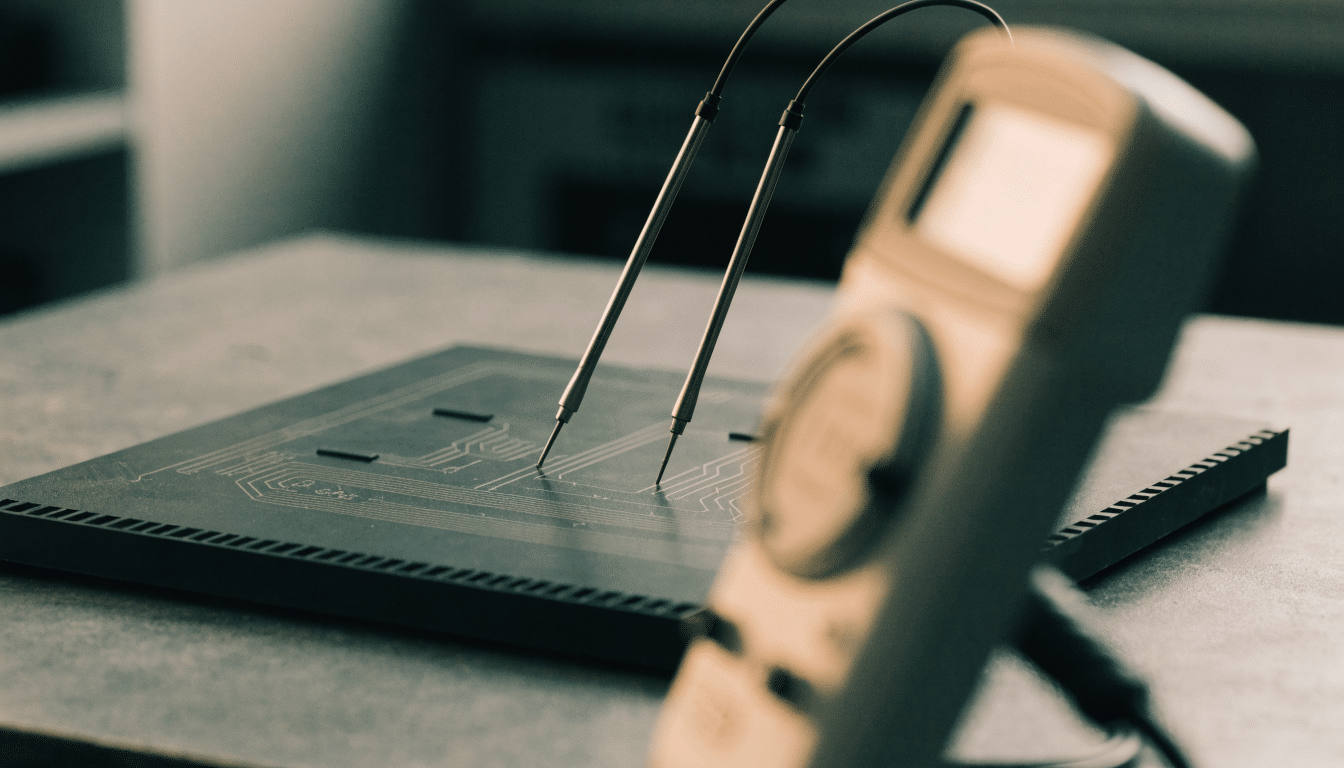
Conductive Filament: What It’s Actually Good For (and Its Limits)
Conductive filament is carbon-black-loaded PLA, resistive enough for touch sensors and low-voltage signal traces, but nowhere close to copper wire. This guide covers the…
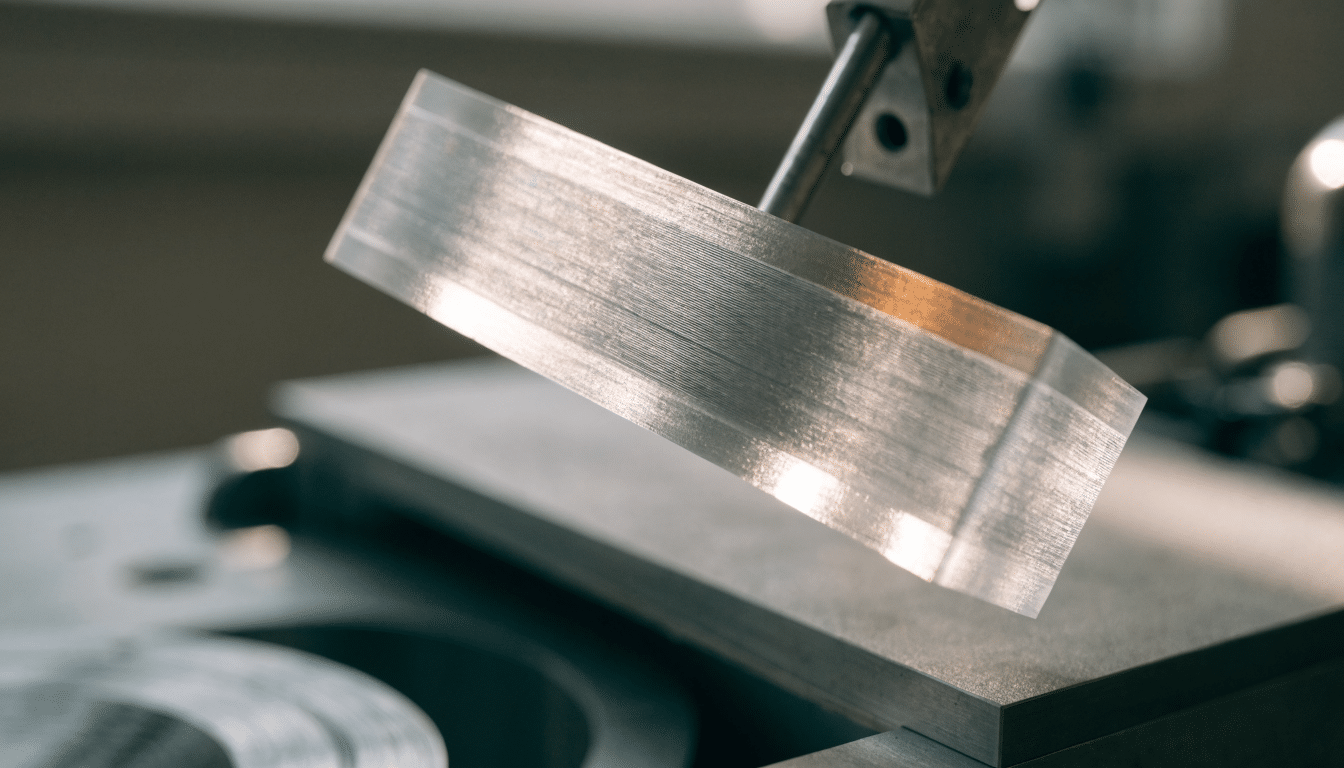
Clear Filament: Why 3D Printed Parts Come Out Frosted, Not See-Through
Clear and transparent filaments print translucent and frosted rather than glass-clear, because layer lines and micro-gaps scatter light in ways FDM printing cannot avoid.…
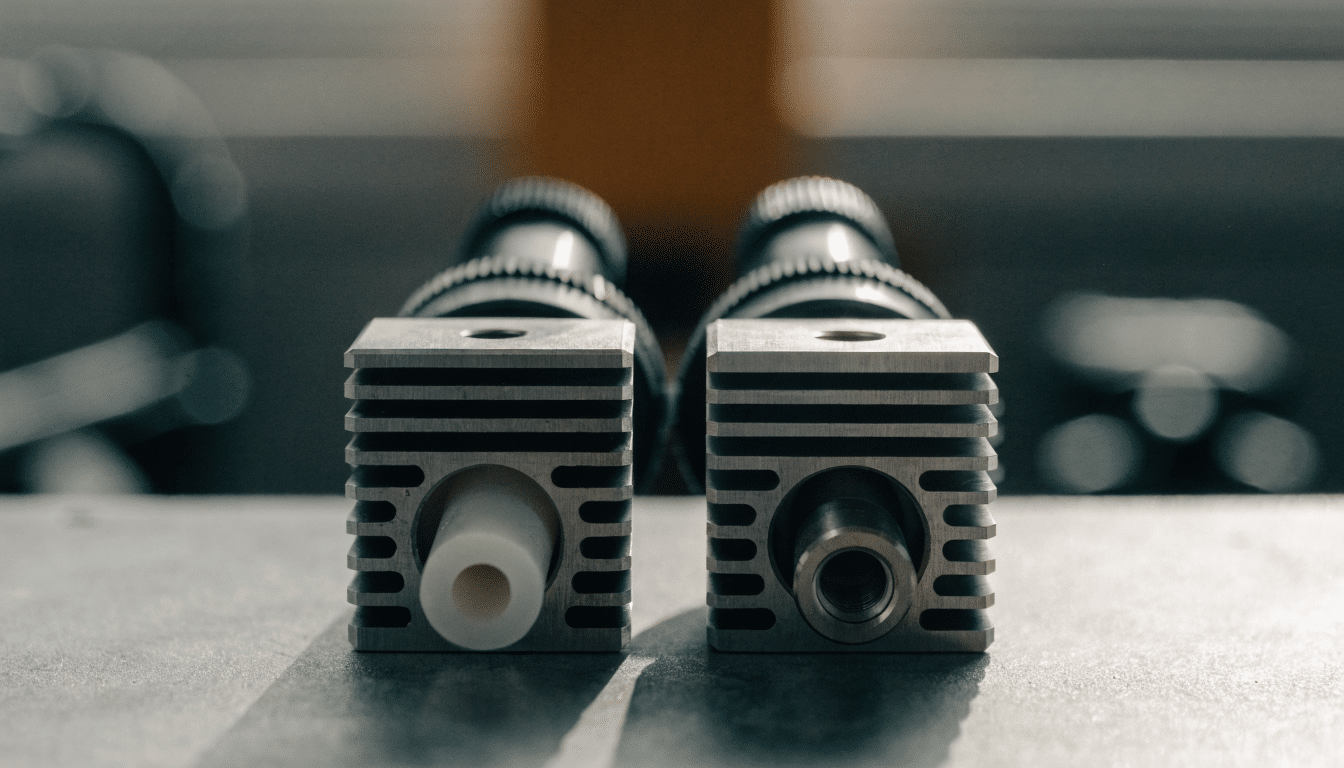
PTFE-Lined vs All-Metal Hotend: What Determines Your Max Temperature
A PTFE liner keeps friction low but limits nozzle temperature, while an all-metal hotend trades a little of that low friction for the high…
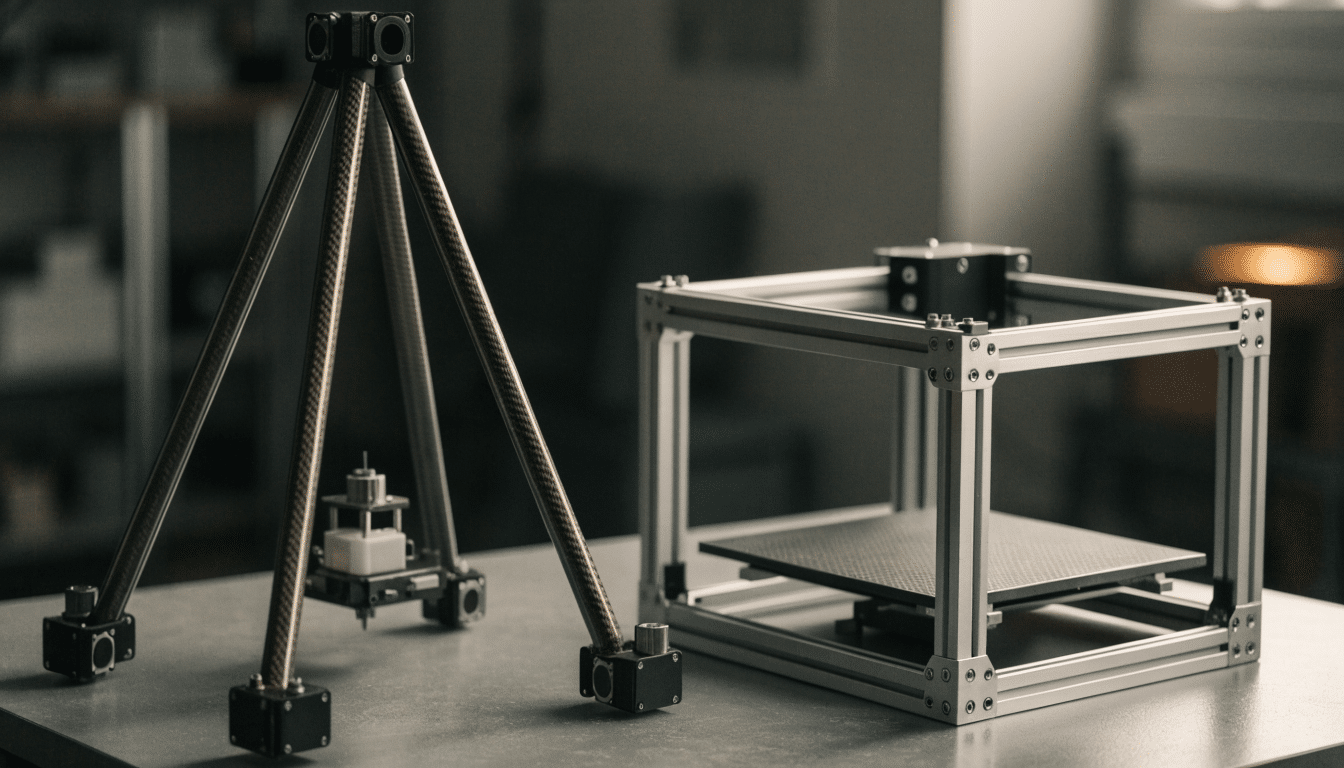
Delta vs Cartesian 3D Printer: Two Ways to Move a Nozzle
Delta printers move all three towers at once to position the nozzle, while cartesian machines drive each axis independently, and that single difference decides…


