Printer basics
The hardware basics worth understanding before you start changing settings: FDM vs resin, CoreXY vs bed slinger, direct drive vs Bowden, nozzle sizes and materials, build plates, hotends, enclosures and bed leveling. If you just unboxed a printer, the first-print and calibration guides are the place to start.
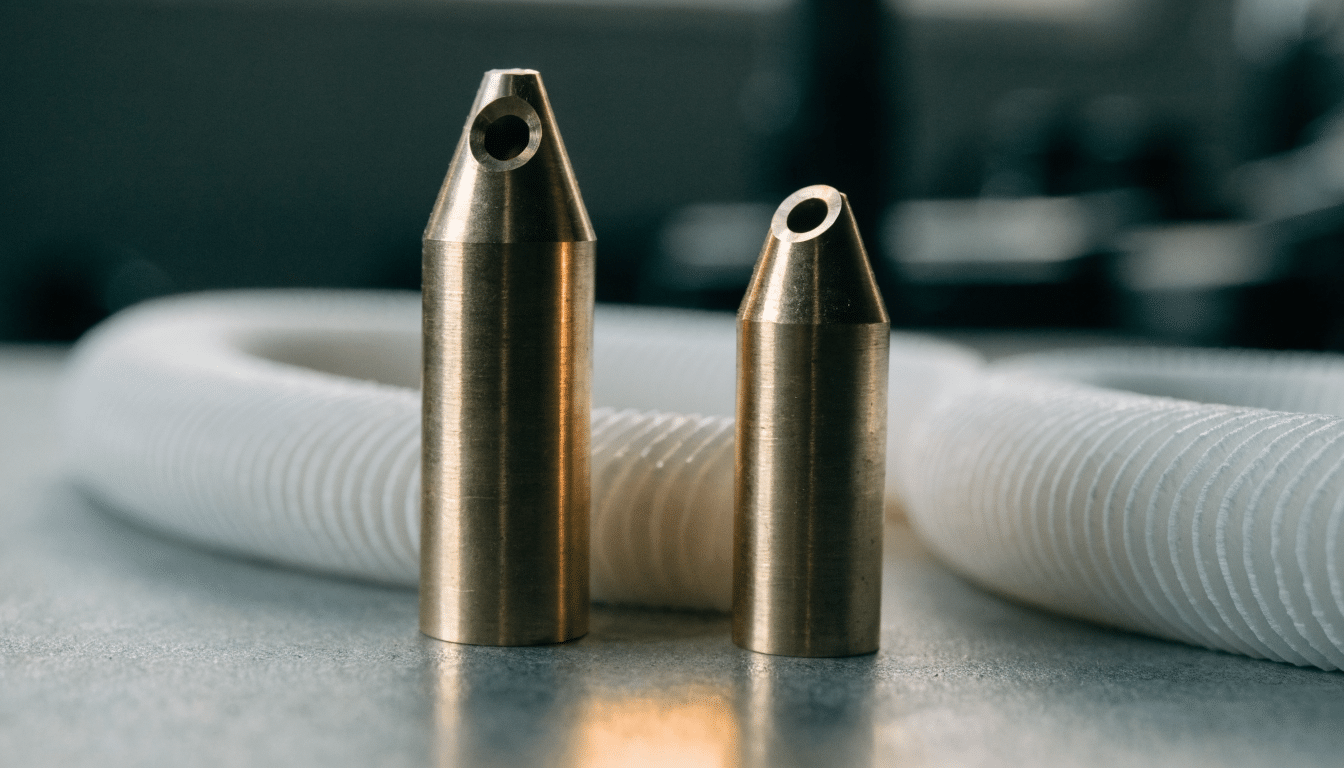
0.4mm vs 0.6mm Nozzle: Detail or Speed and Strength
A 0.4mm nozzle is the default for a reason, but a 0.6mm nozzle pushes more plastic per pass, trading fine detail for faster prints…
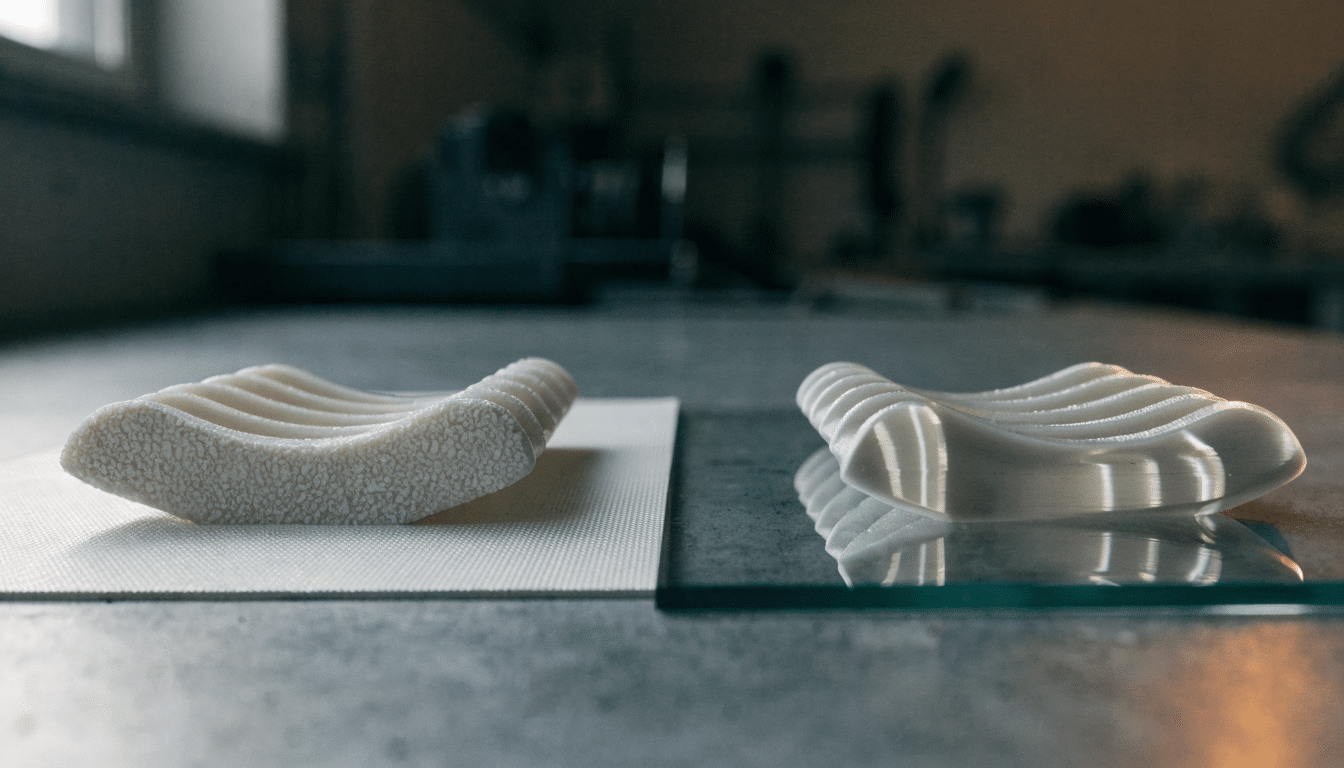
PEI vs Glass Build Plate: Adhesion or the Flattest Possible Finish
PEI sheets grip most filaments cold with no glue, while glass needs an adhesion aid for almost everything but leaves the flattest, glossiest bottom…
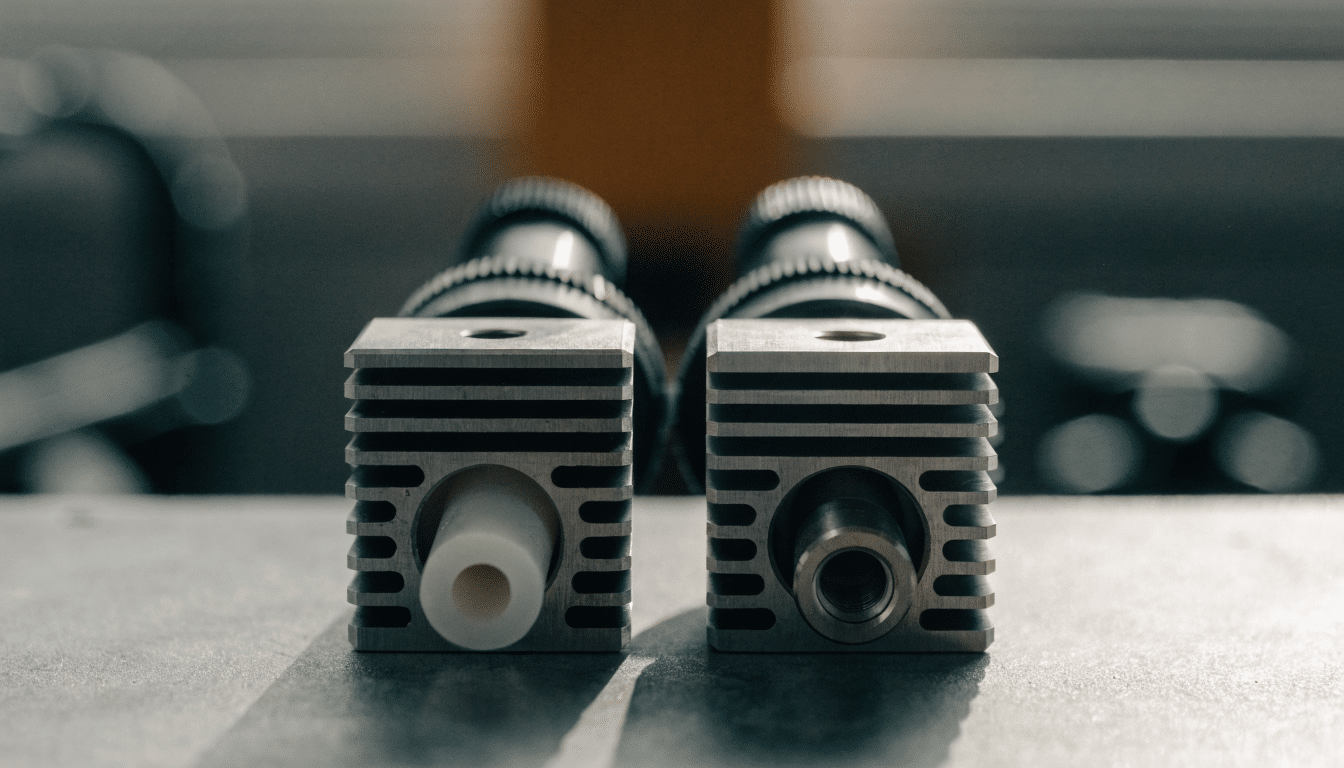
PTFE-Lined vs All-Metal Hotend: What Determines Your Max Temperature
A PTFE liner keeps friction low but limits nozzle temperature, while an all-metal hotend trades a little of that low friction for the high…
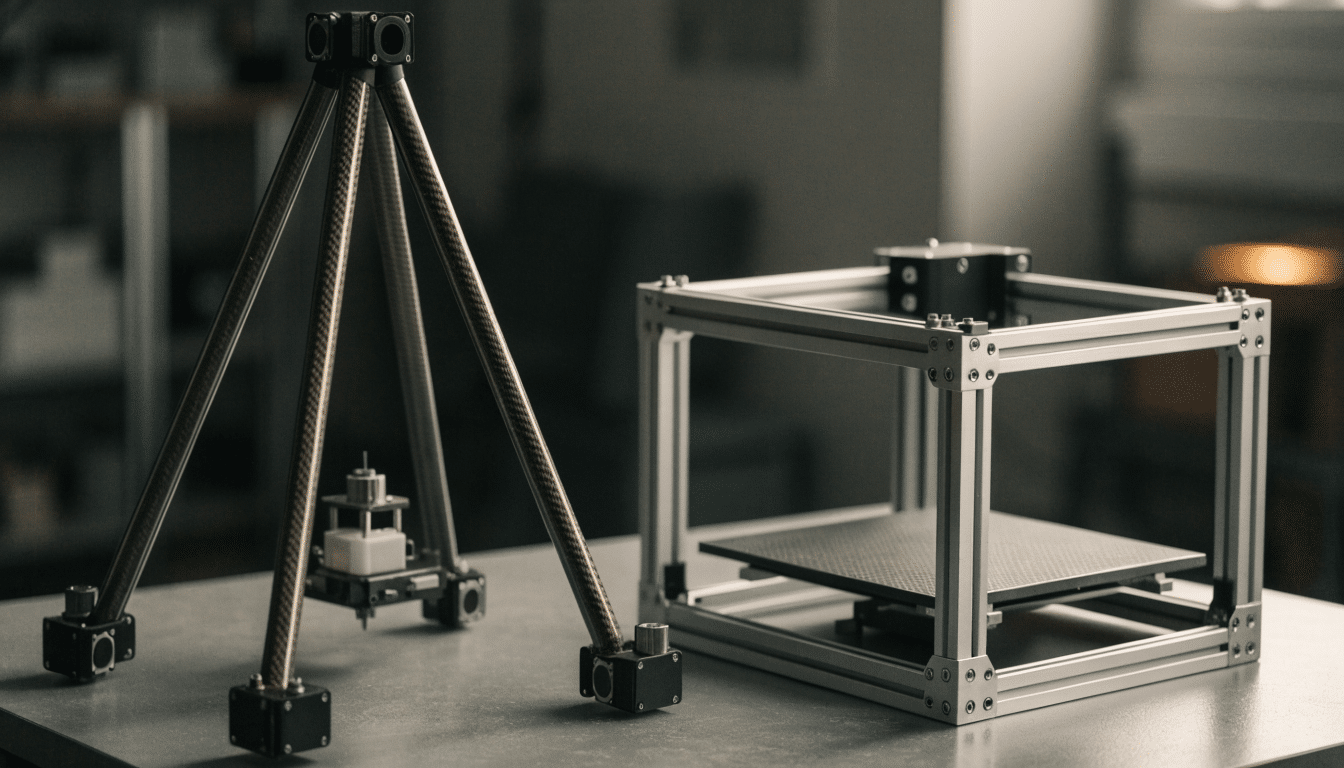
Delta vs Cartesian 3D Printer: Two Ways to Move a Nozzle
Delta printers move all three towers at once to position the nozzle, while cartesian machines drive each axis independently, and that single difference decides…
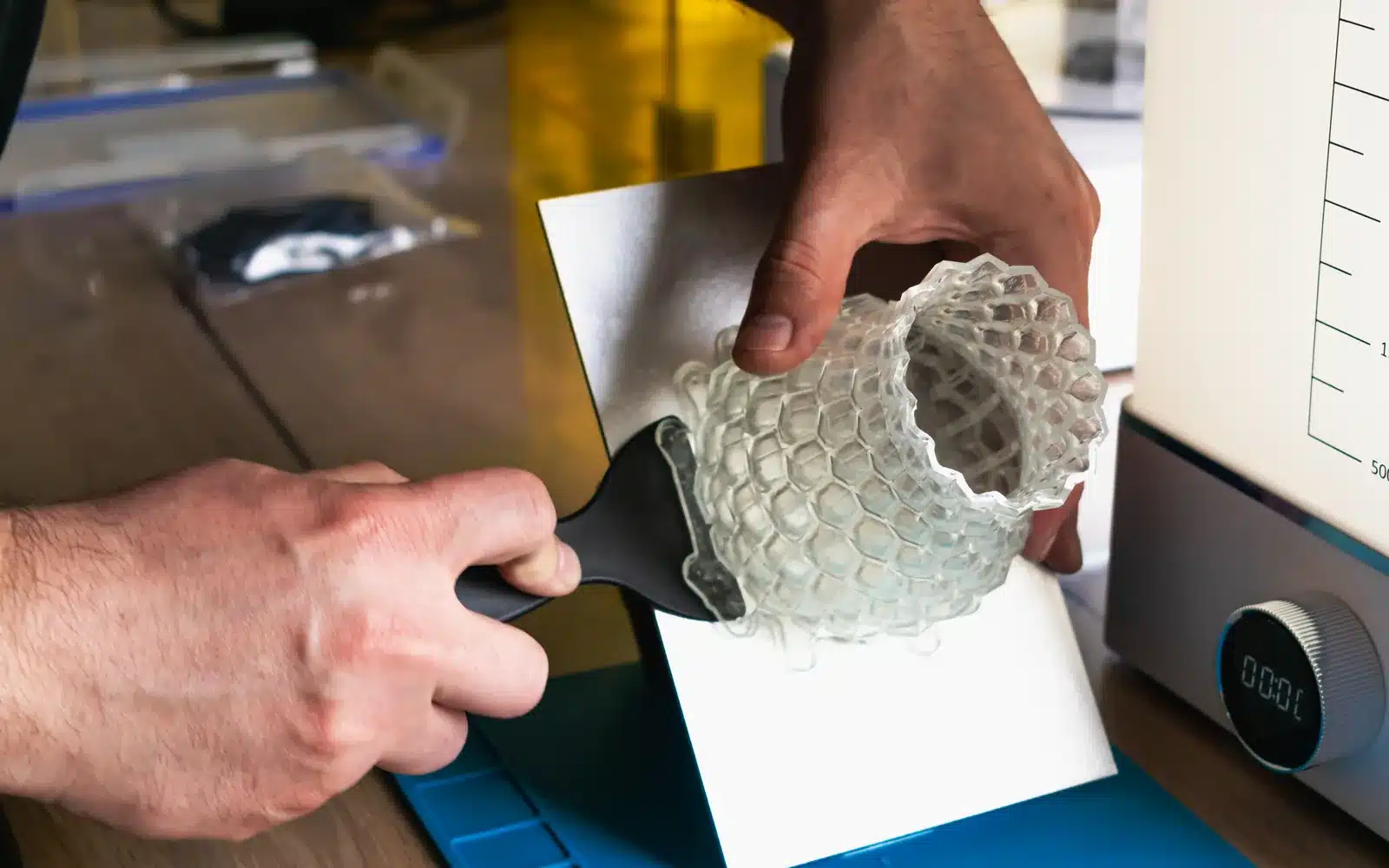
Do You Need a 3D Printer Enclosure?
Learn what an enclosure changes, which materials benefit, and why heat control and ventilation are separate problems.
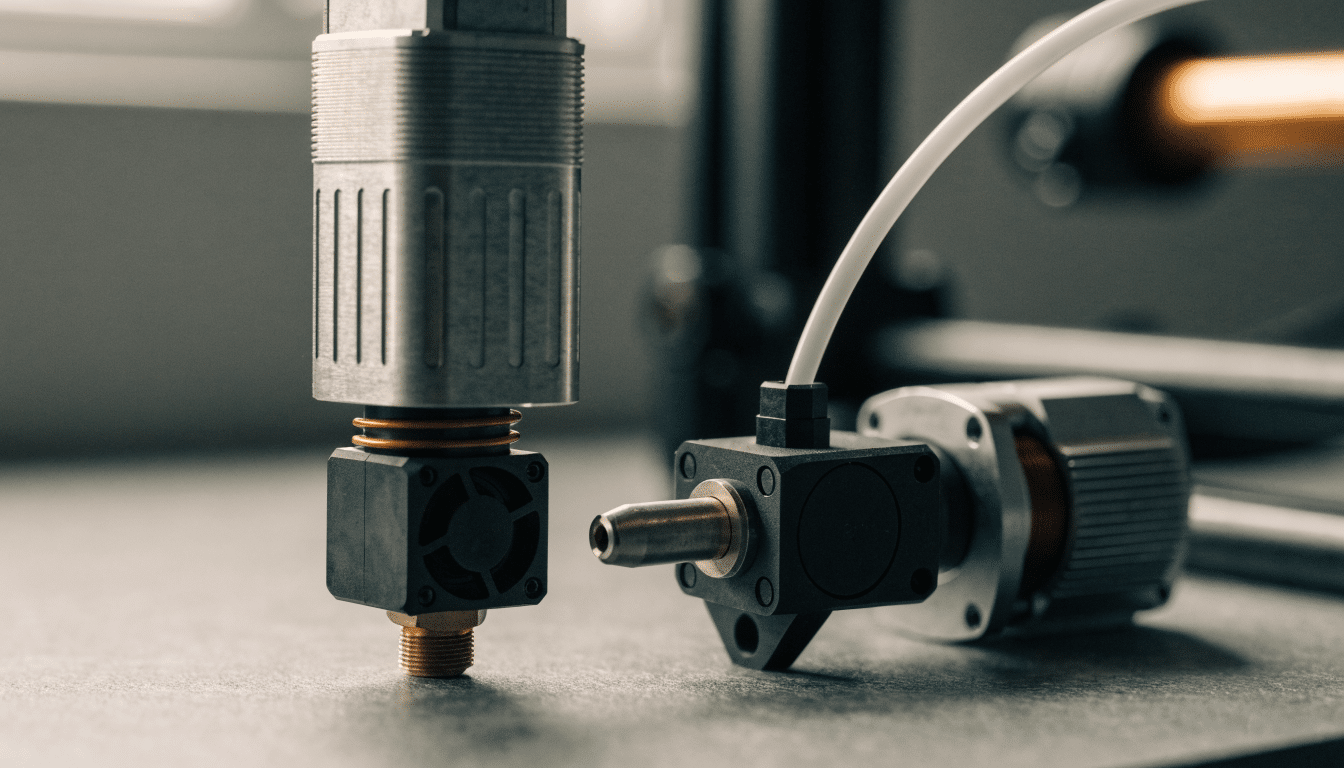
Direct Drive vs Bowden Extruder: What Changes in Real Prints?
Compare filament control, toolhead weight, retraction and flexible-material handling without treating either layout as universally better.
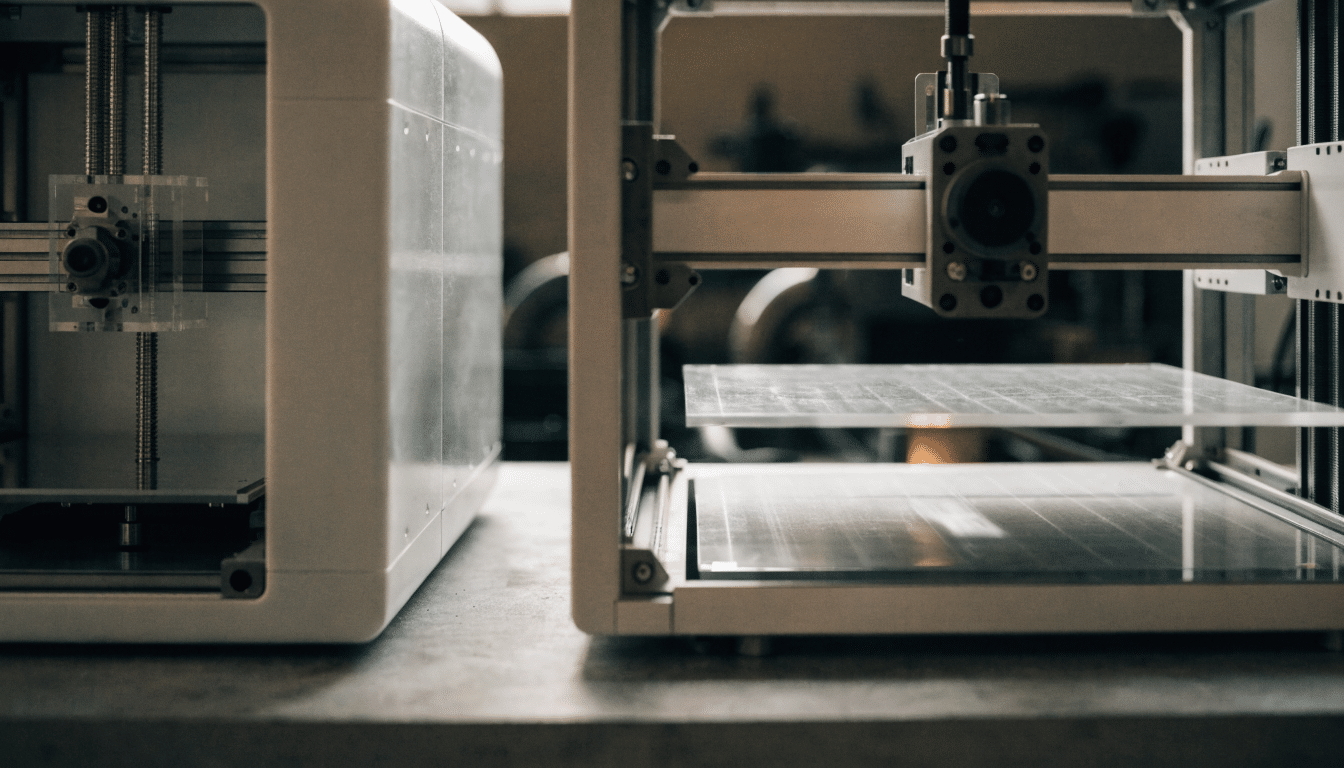
CoreXY vs Bed Slinger: Which 3D Printer Layout Fits You?
Compare motion, footprint, moving mass and maintenance before assuming that one printer layout guarantees better quality.
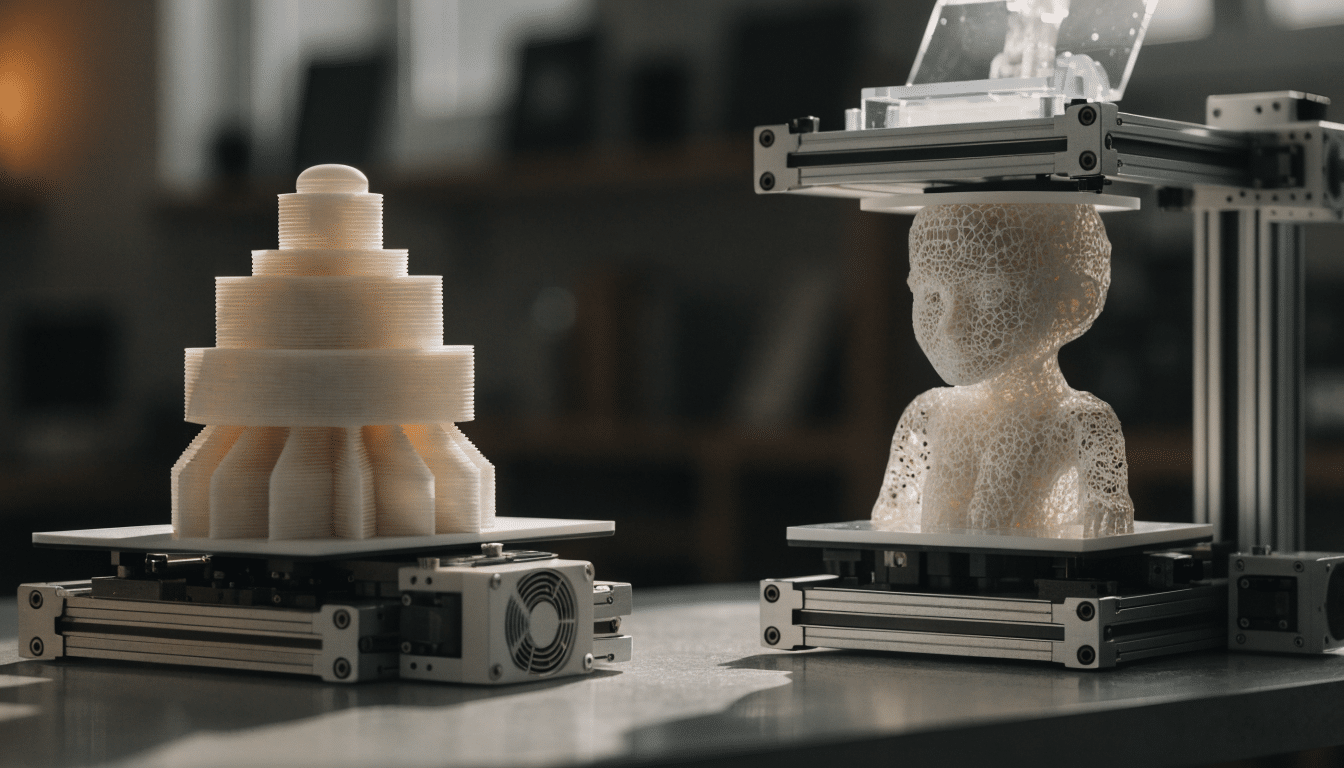
FDM vs Resin 3D Printer: Choose by the Work, Not the Hype
Compare detail, part size, cleanup, consumables and safety before choosing your first printing process.
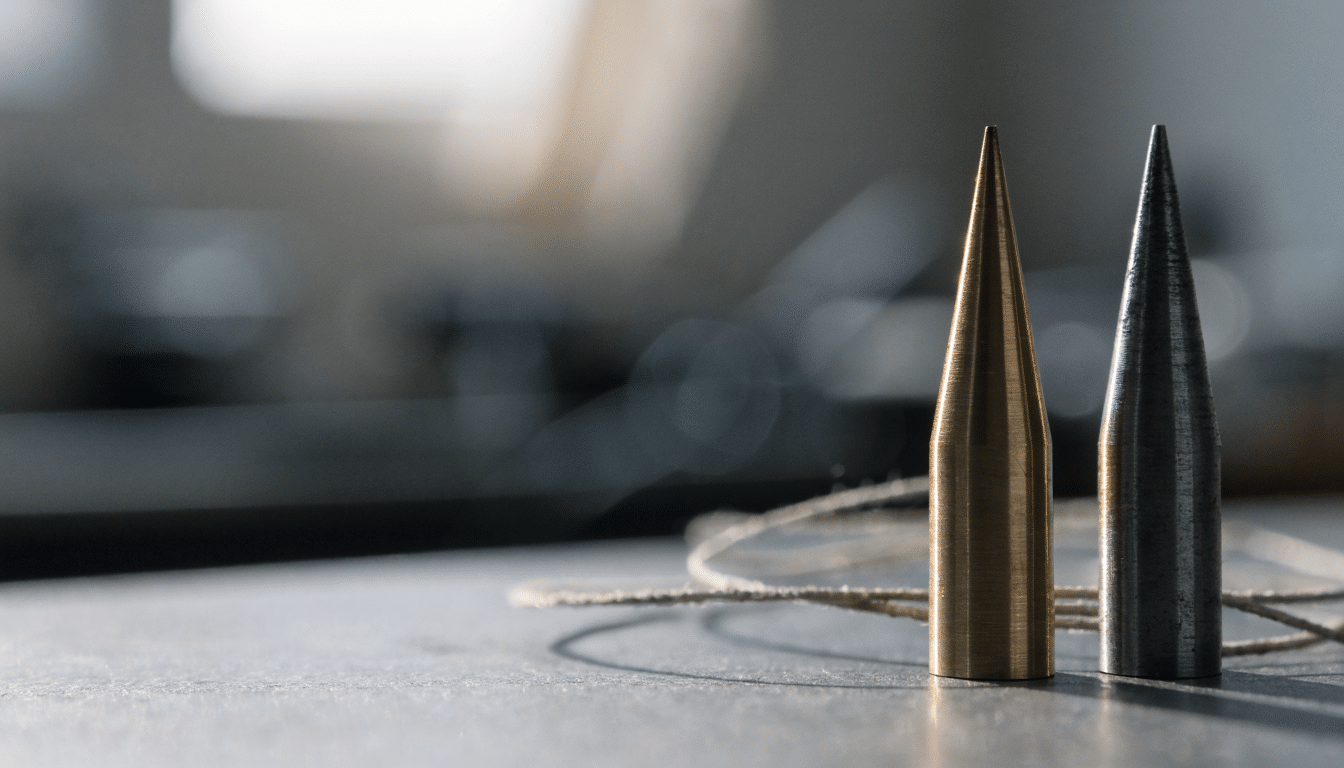
Brass vs Hardened Steel Nozzle: Pick for the Filament
Choose nozzle material from abrasion, heat transfer and supported temperatures rather than treating hardened steel as a universal upgrade.
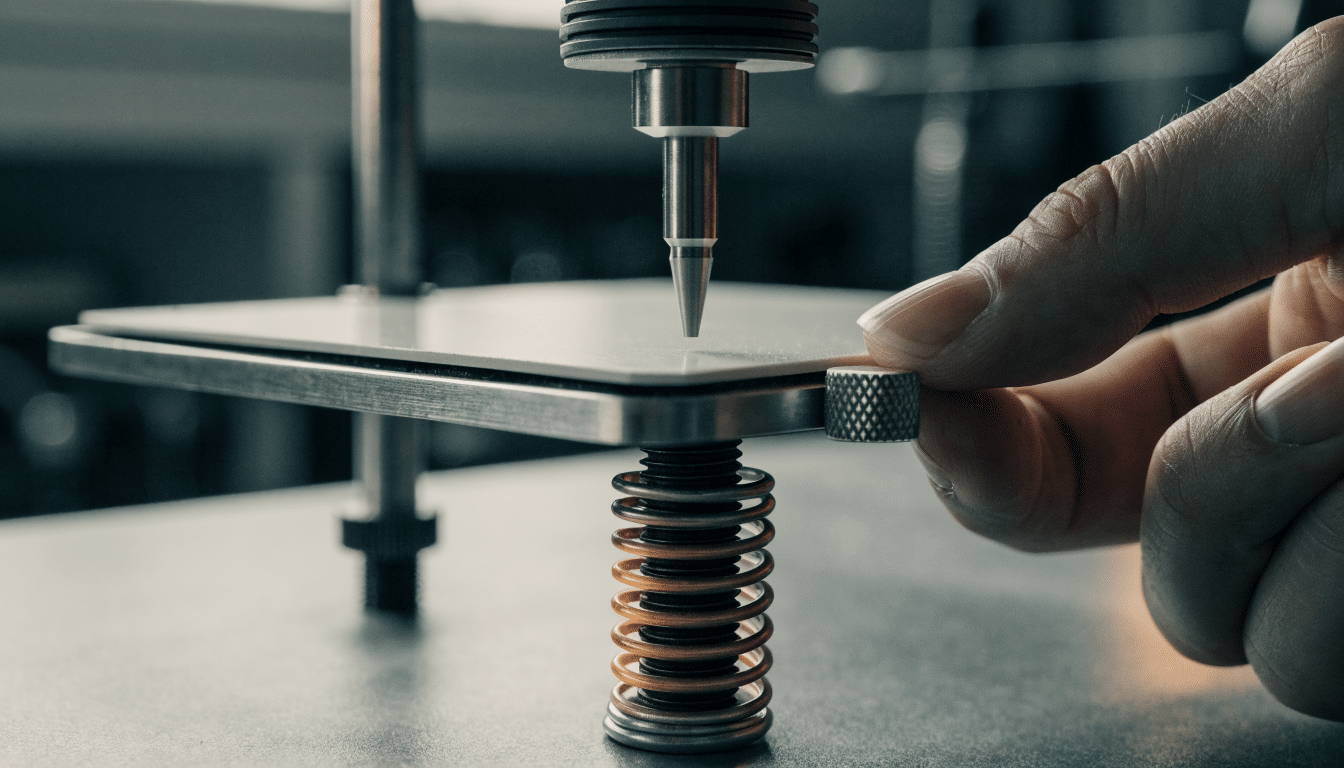
How to Level a 3D Printer Bed Without Chasing the Knobs
Separate bed tramming, bed mesh and Z offset so you can correct an uneven first layer without restarting the same adjustment loop.


