PETG
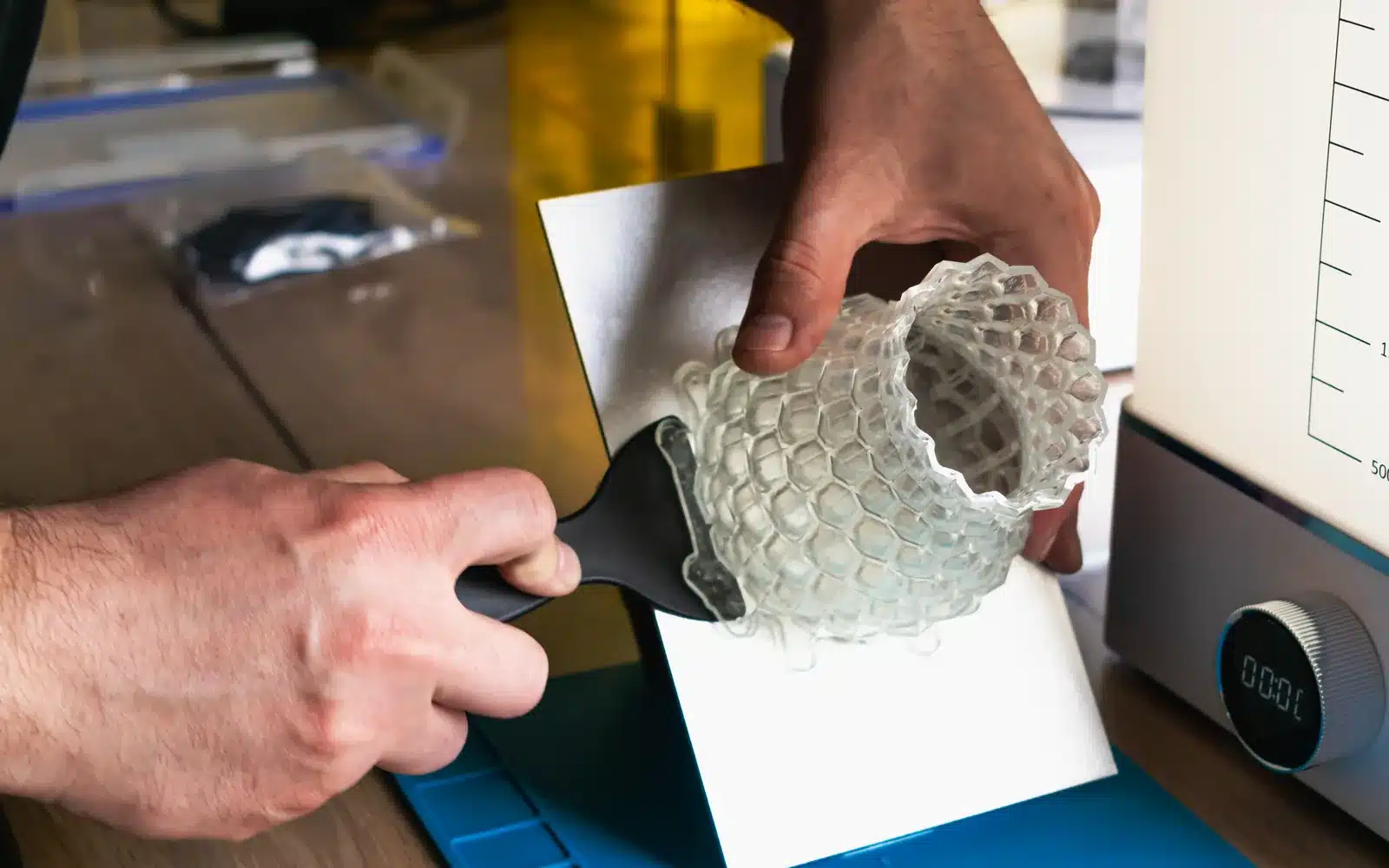
Do You Need a 3D Printer Enclosure?
Learn what an enclosure changes, which materials benefit, and why heat control and ventilation are separate problems.
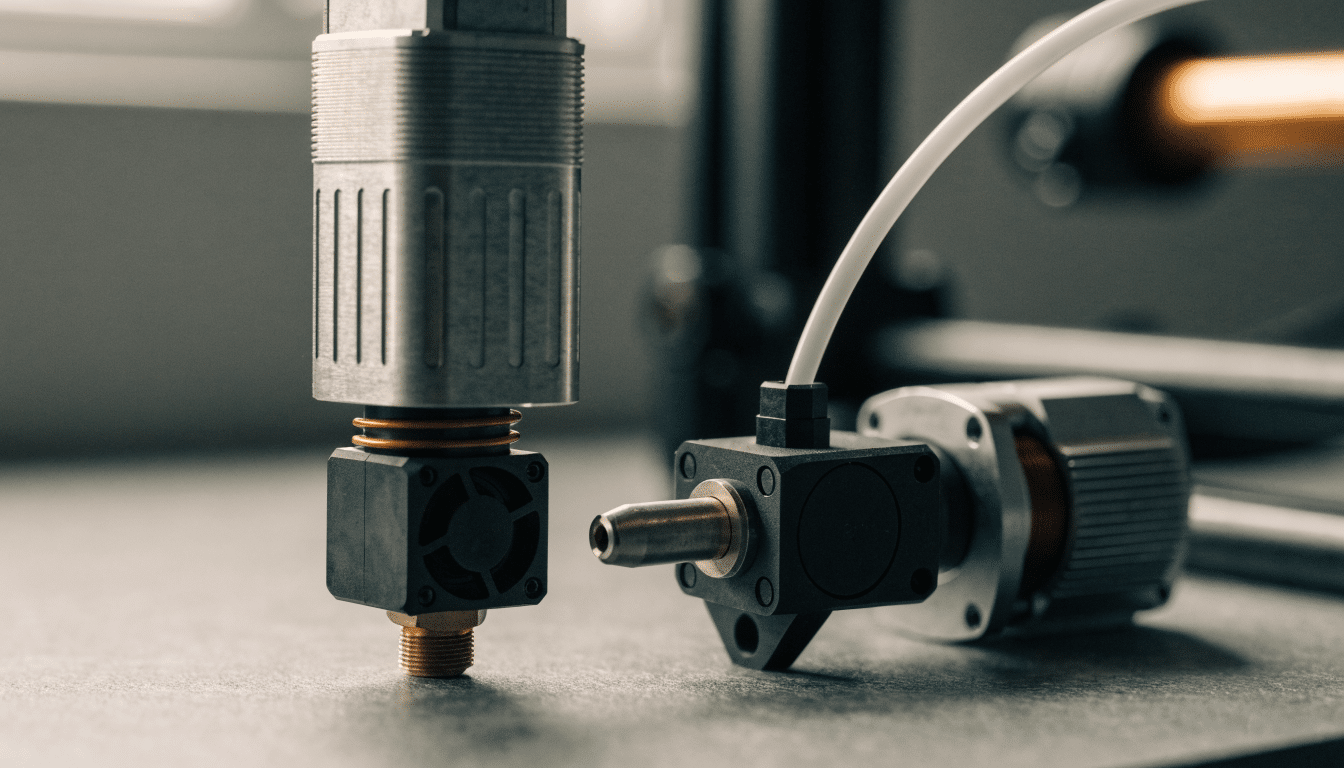
Direct Drive vs Bowden Extruder: What Changes in Real Prints?
Compare filament control, toolhead weight, retraction and flexible-material handling without treating either layout as universally better.
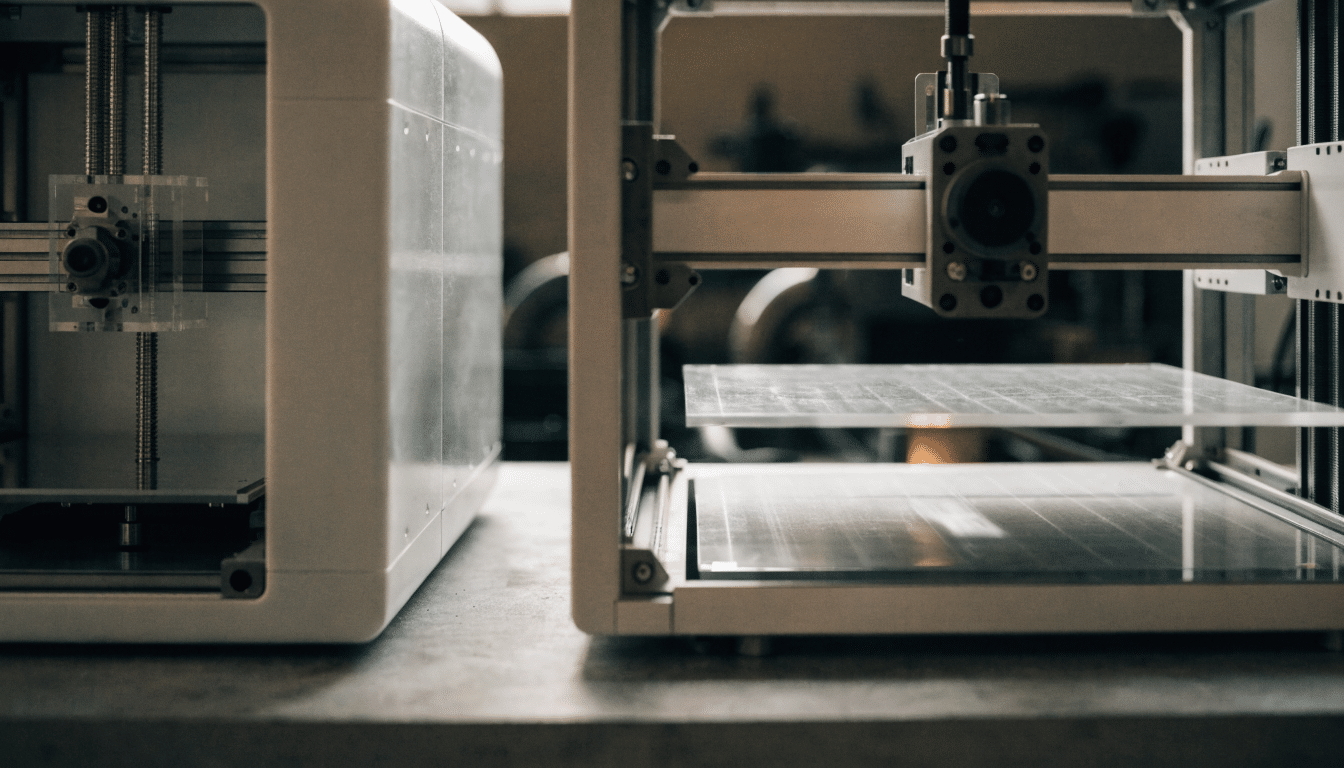
CoreXY vs Bed Slinger: Which 3D Printer Layout Fits You?
Compare motion, footprint, moving mass and maintenance before assuming that one printer layout guarantees better quality.
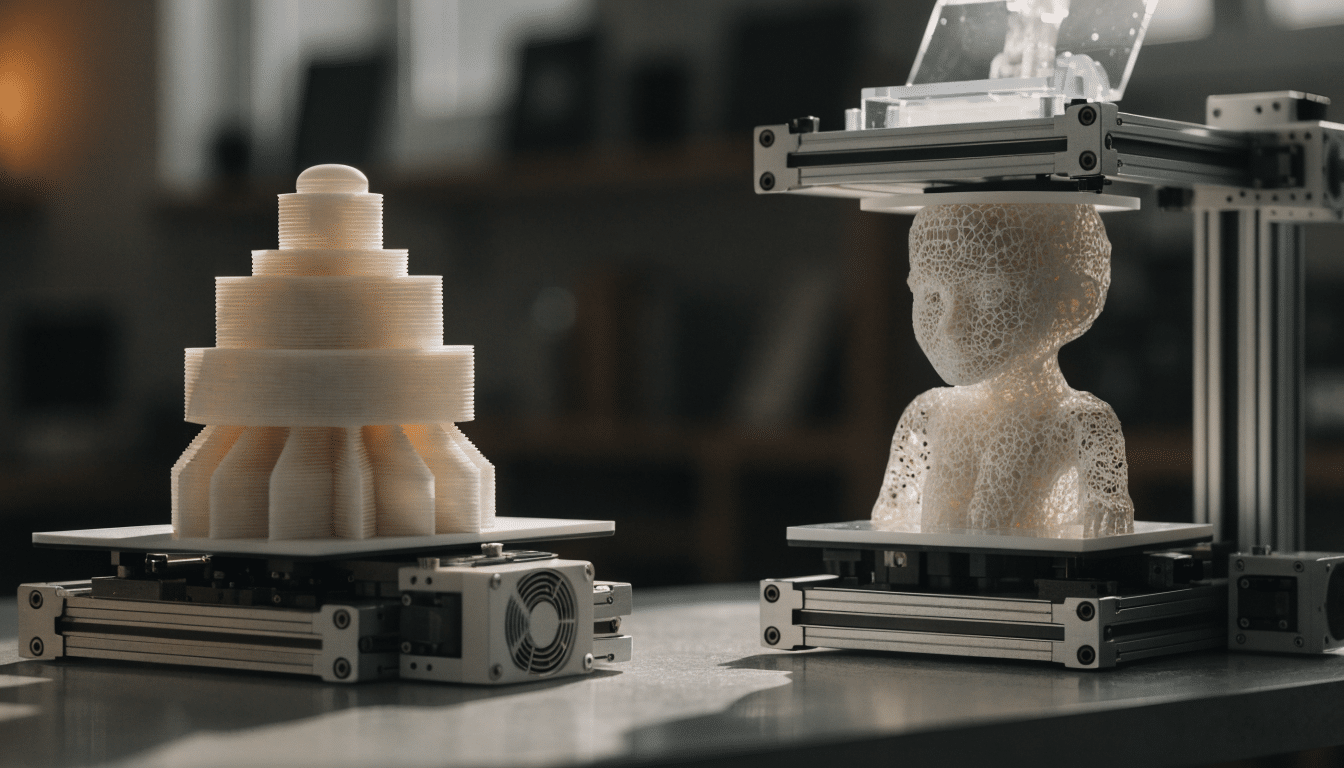
FDM vs Resin 3D Printer: Choose by the Work, Not the Hype
Compare detail, part size, cleanup, consumables and safety before choosing your first printing process.
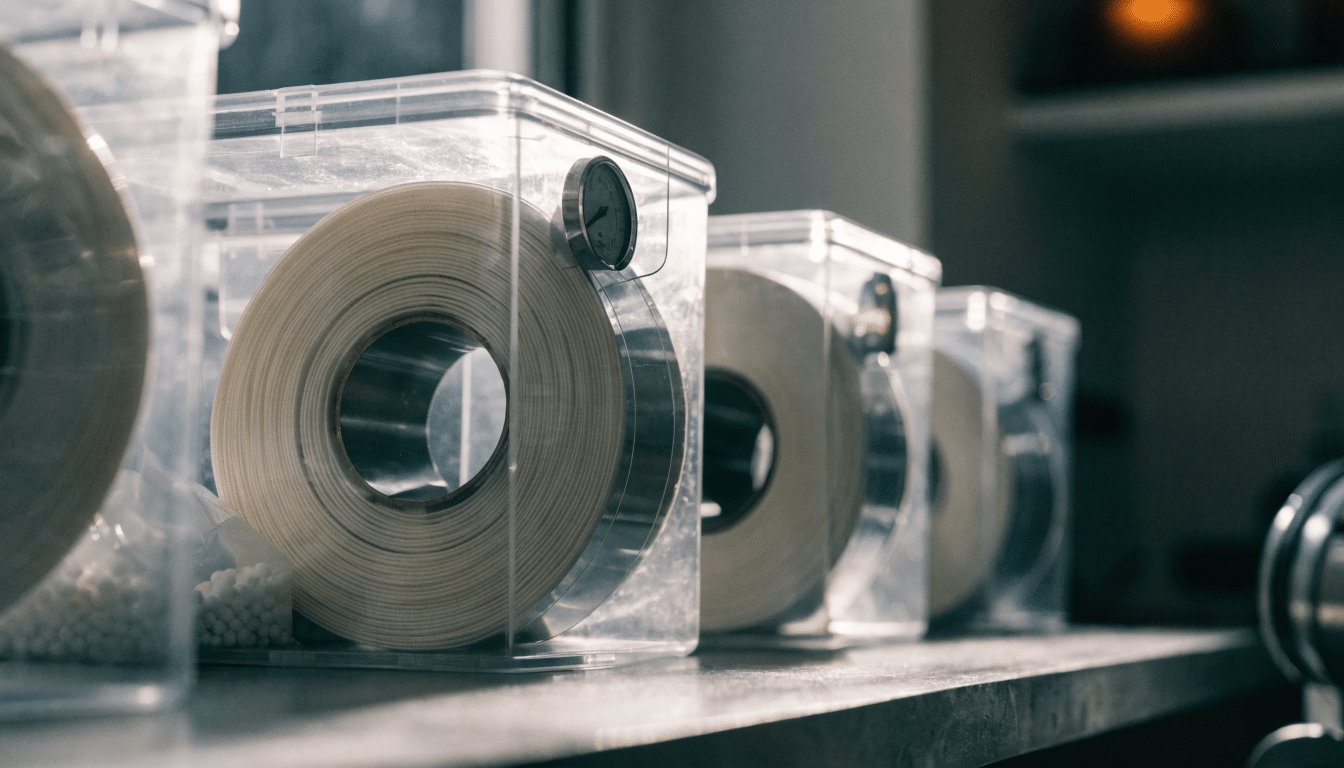
3D Printer Filament Storage That Actually Keeps Spools Dry
Build a storage routine around sealed containers, useful humidity checks and material sensitivity instead of collecting decorative dry boxes.
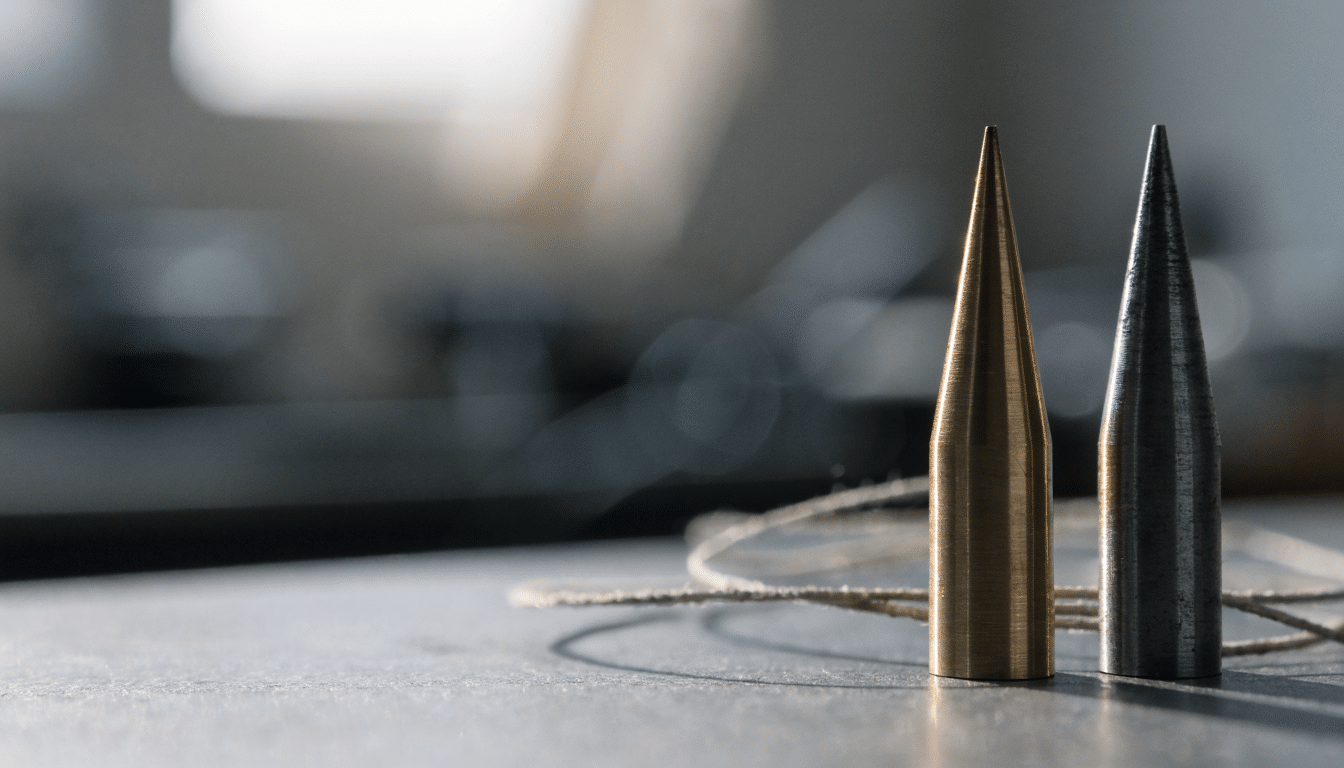
Brass vs Hardened Steel Nozzle: Pick for the Filament
Choose nozzle material from abrasion, heat transfer and supported temperatures rather than treating hardened steel as a universal upgrade.
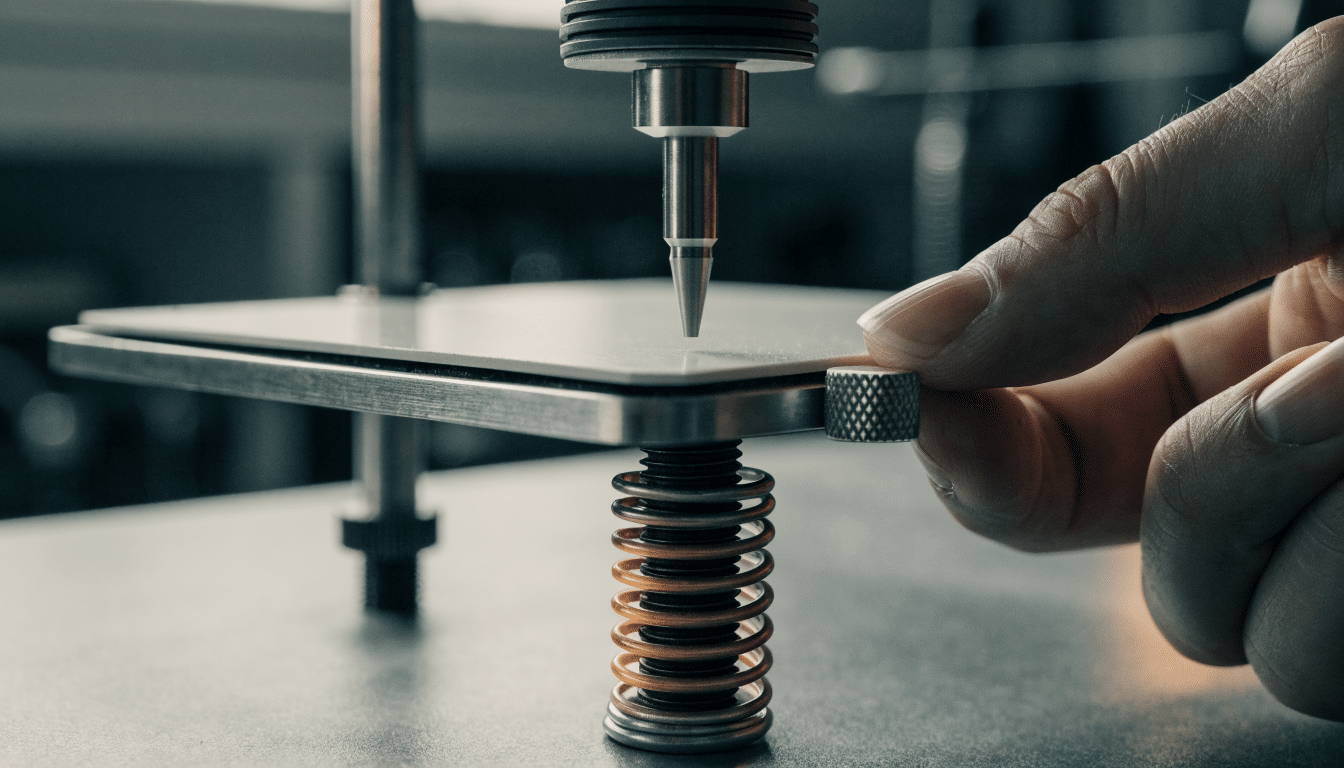
How to Level a 3D Printer Bed Without Chasing the Knobs
Separate bed tramming, bed mesh and Z offset so you can correct an uneven first layer without restarting the same adjustment loop.
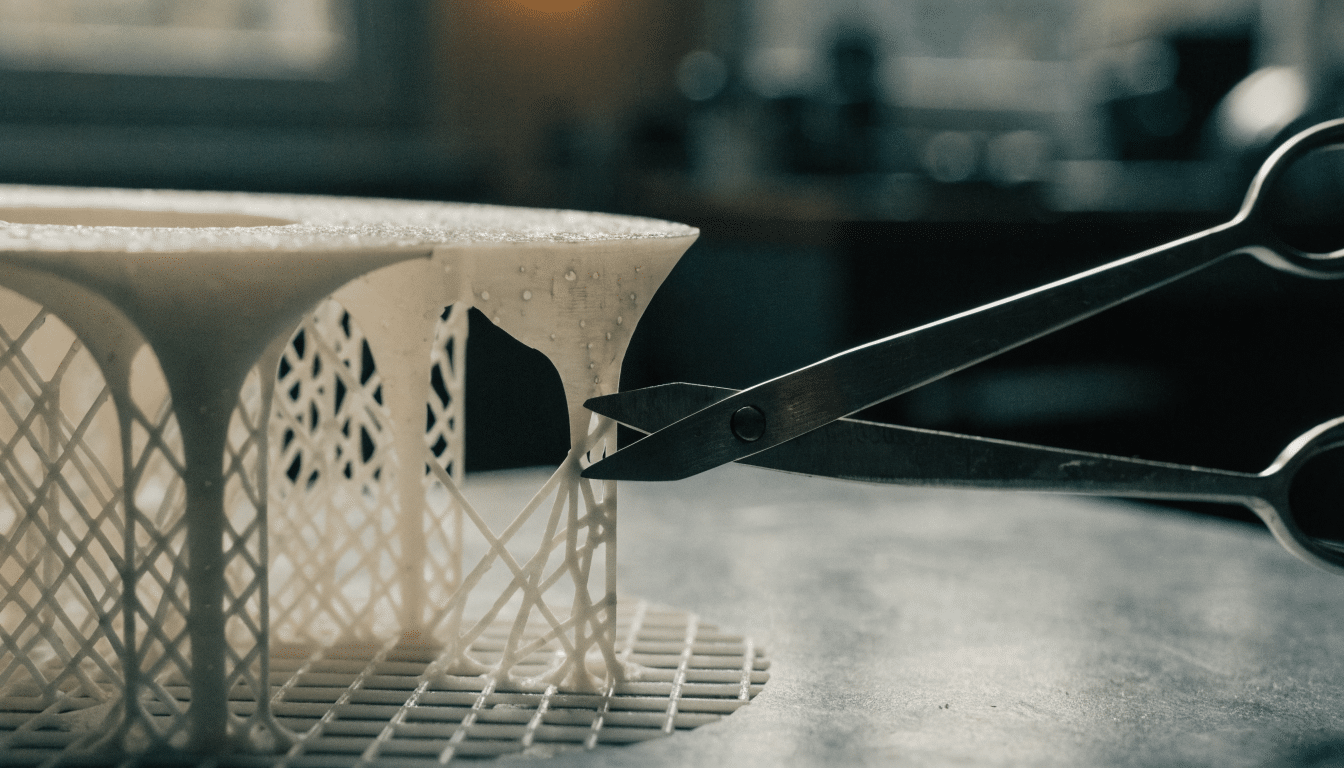
3D Printer Supports: When to Use Them and How to Remove Them
Choose an orientation first, add support only where geometry needs it, and remove it without using dangerous force near fragile features.
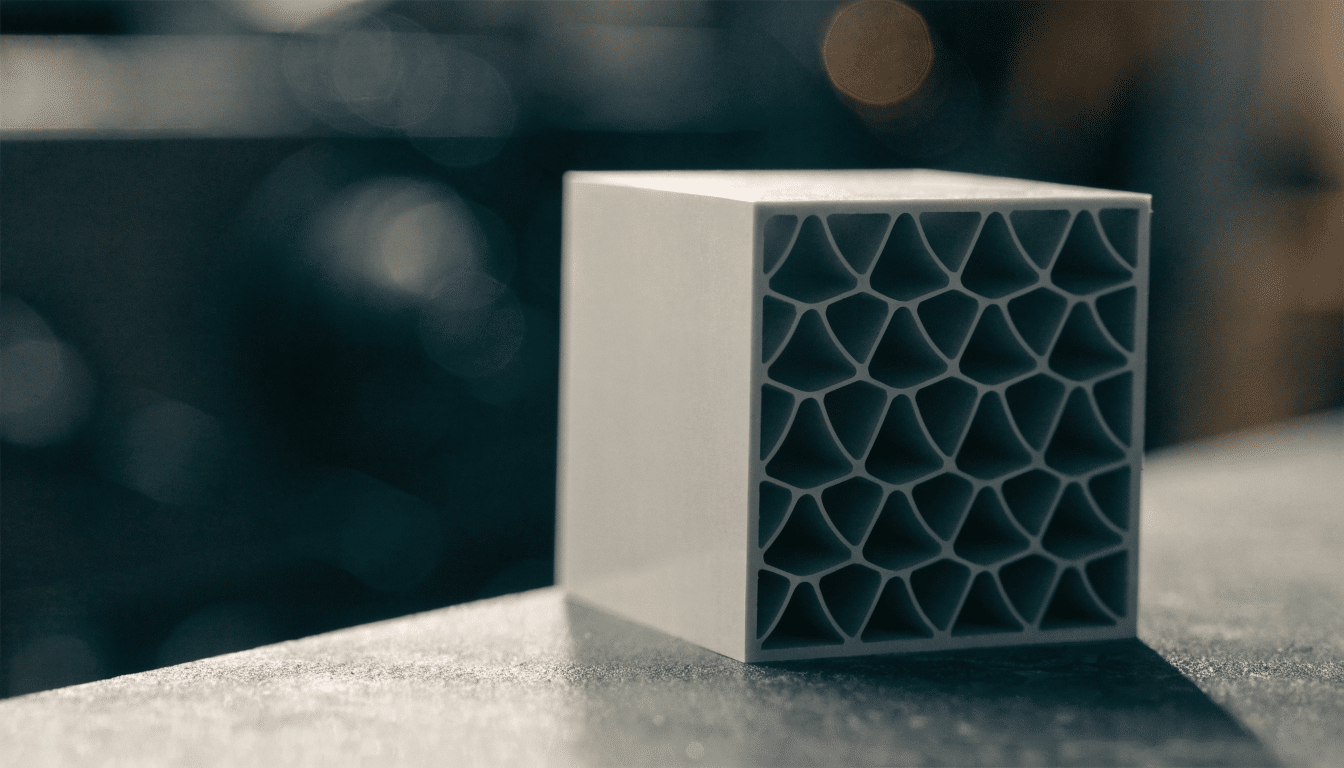
What Is Infill in 3D Printing? Patterns and Percentages Explained
Use infill to support top surfaces and tune stiffness without assuming that a higher percentage is the best route to a stronger part.
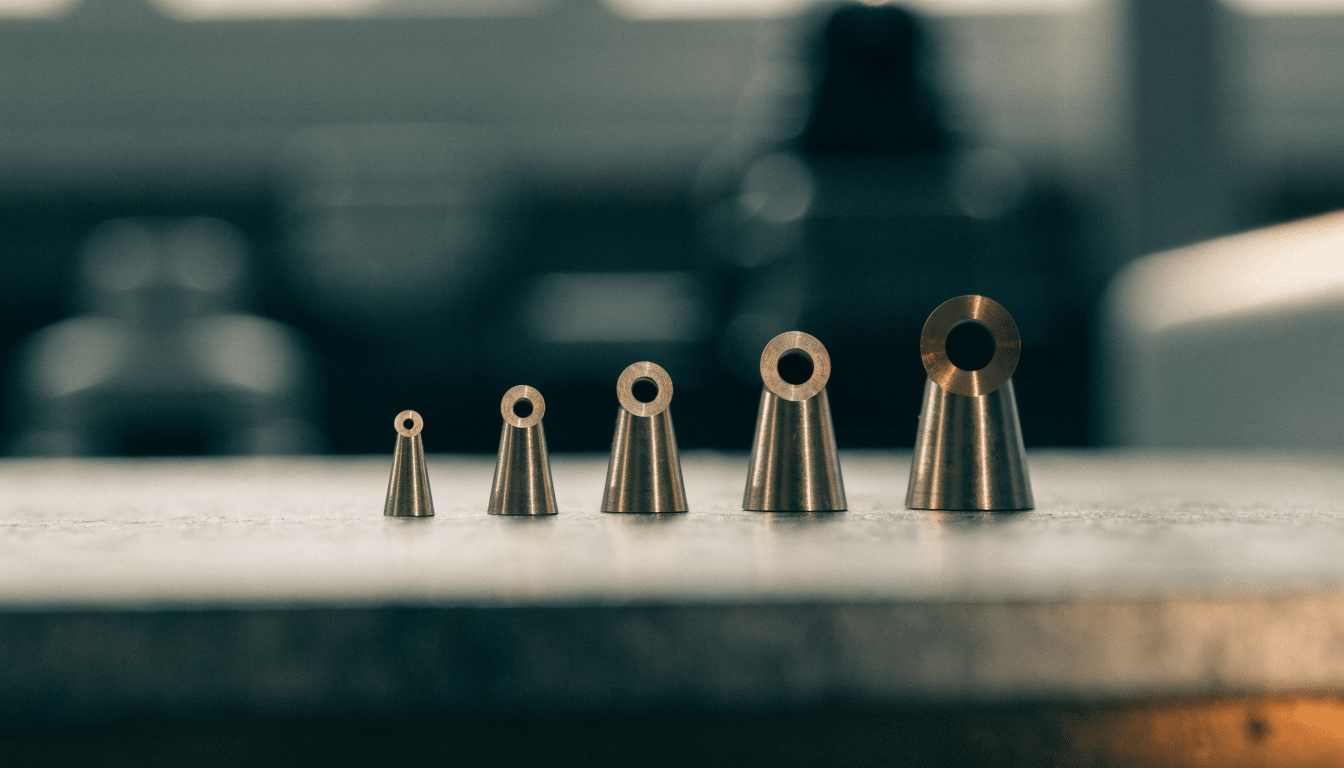
3D Printer Nozzle Sizes: What Changes Beyond 0.4 mm
Compare detail, line width, layer height and flow before changing nozzle size, then update every profile field that depends on it.


