Intermediate
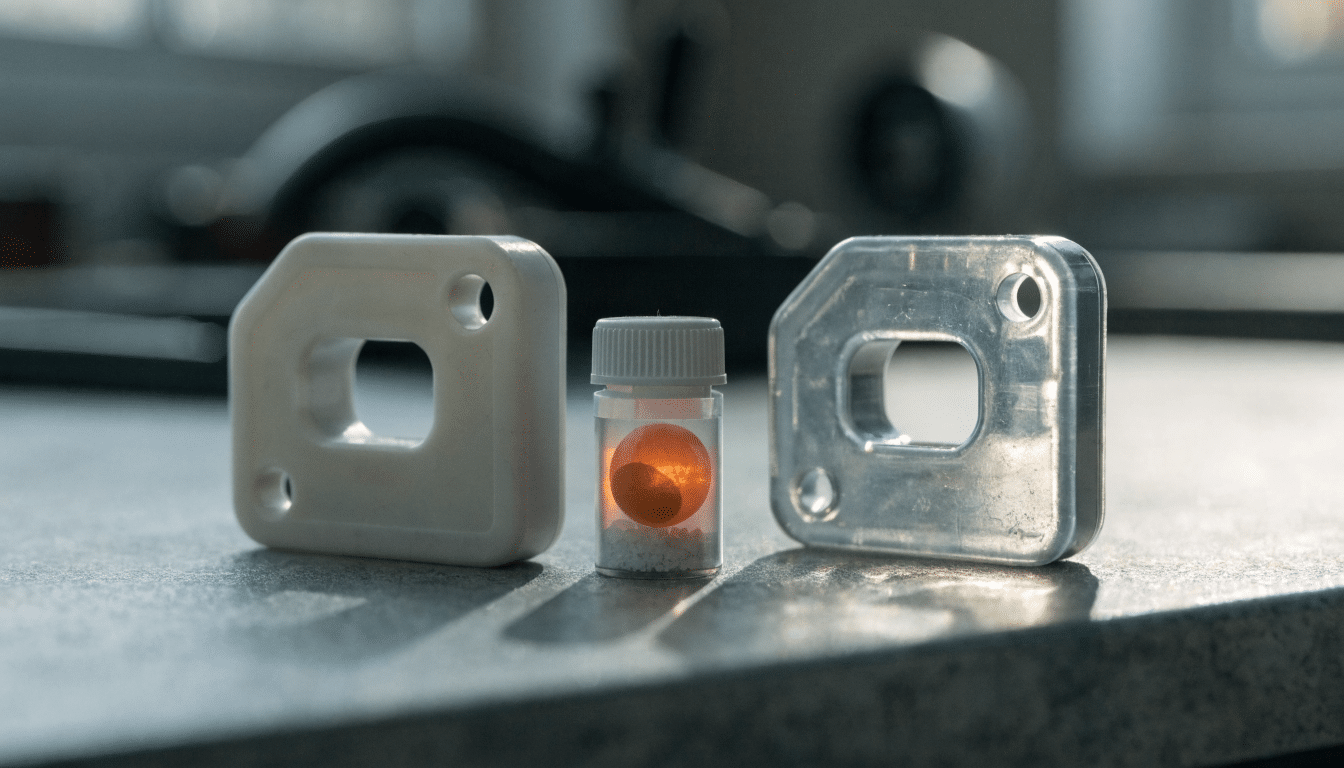
Nylon vs PETG: Engineering Strength or an Easier Everyday Print
Nylon and PETG both get marketed as the step up from PLA, but nylon wins on strength and wear resistance only if you can…
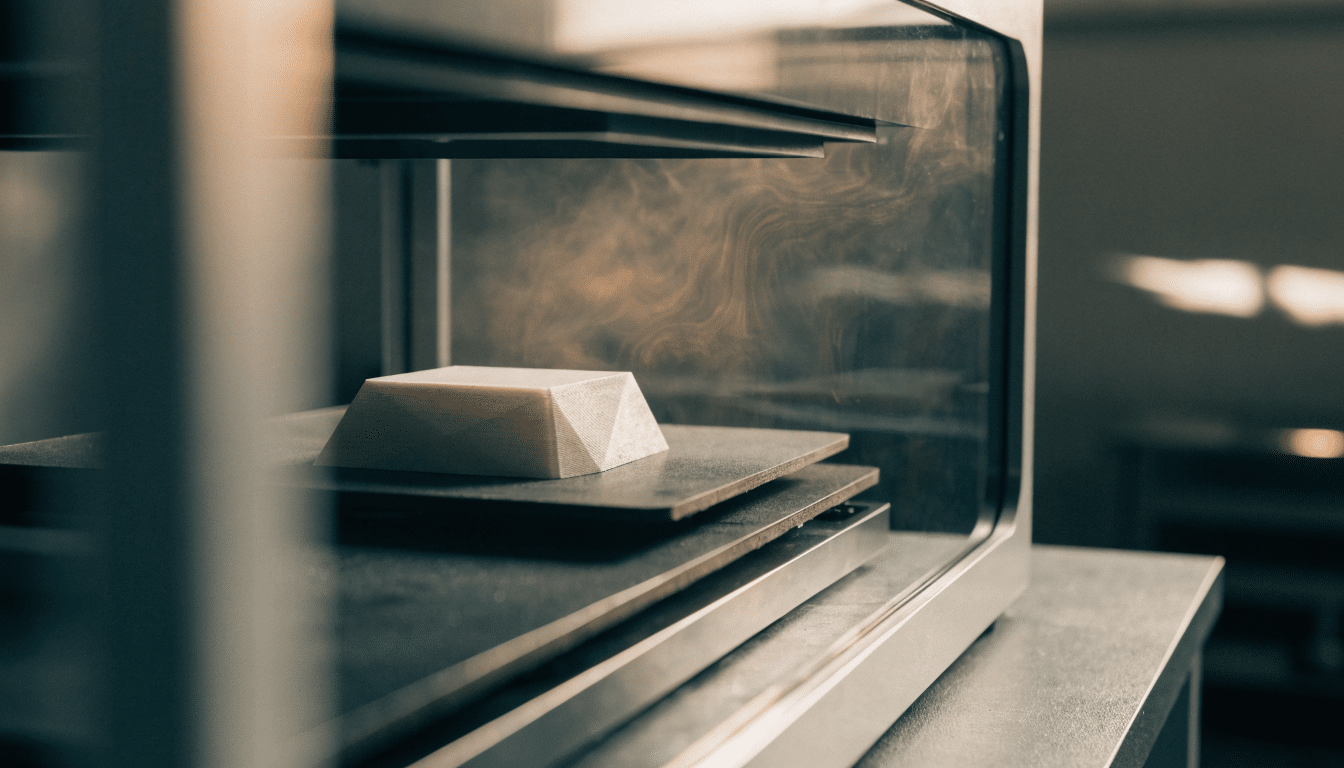
ASA Print Settings: Nozzle Temp, Bed Temp and Enclosure Needs
ASA print settings for nozzle temp, bed temp, cooling and enclosure use, based on Prusa, Polymaker, Overture and MatterHackers data, plus how ASA’s warping…
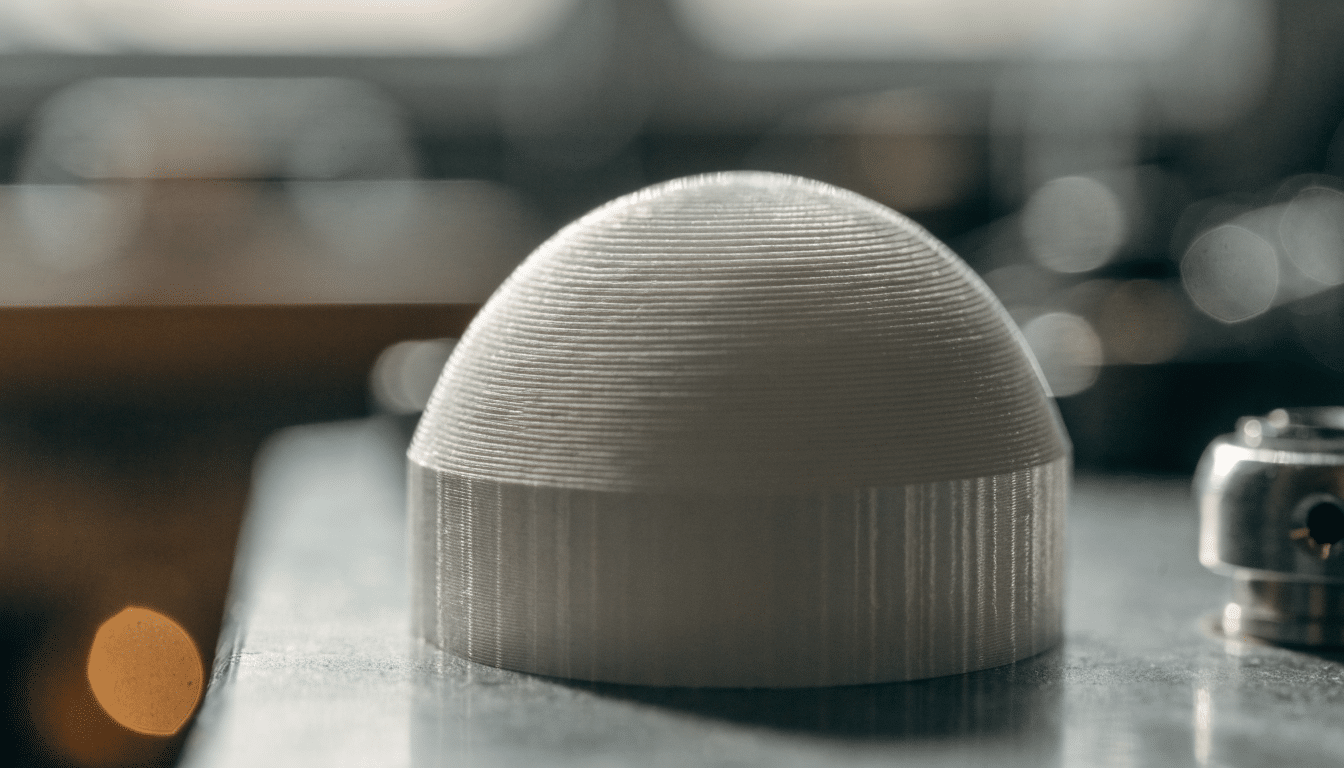
Adaptive Layer Height: Variable Layers Explained
Adaptive layer height lets a slicer print thin layers on curves and thicker layers on flat sections of the same model, trading some print…
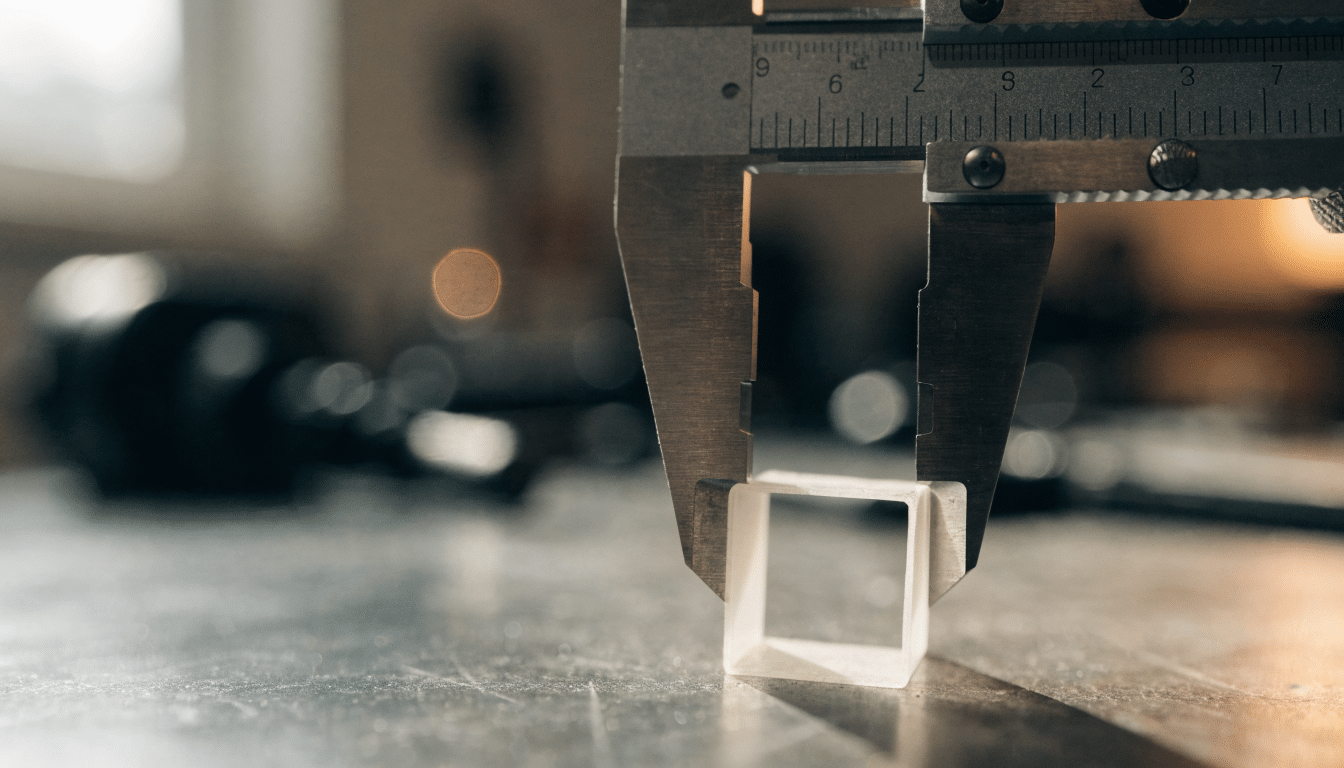
Extrusion Multiplier: Calibrating Your Printer’s Flow Rate
The extrusion multiplier fine-tunes how much filament your printer pushes out relative to what the slicer asked for. Here is how to test it…
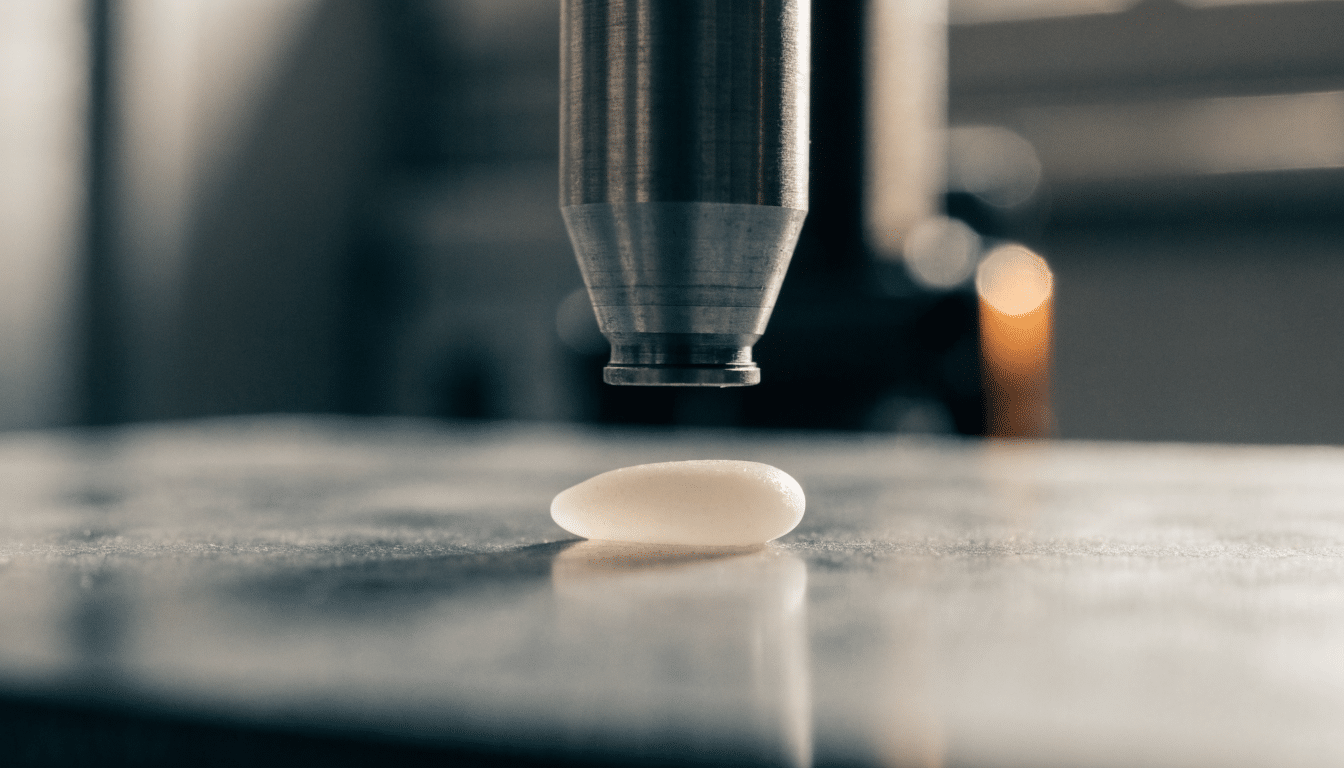
Line Width in 3D Printing: Why It’s Not the Same as Nozzle Diameter
Line width is the width of the extruded bead, and slicers default it slightly above nozzle diameter on purpose. Here’s why, what the major…
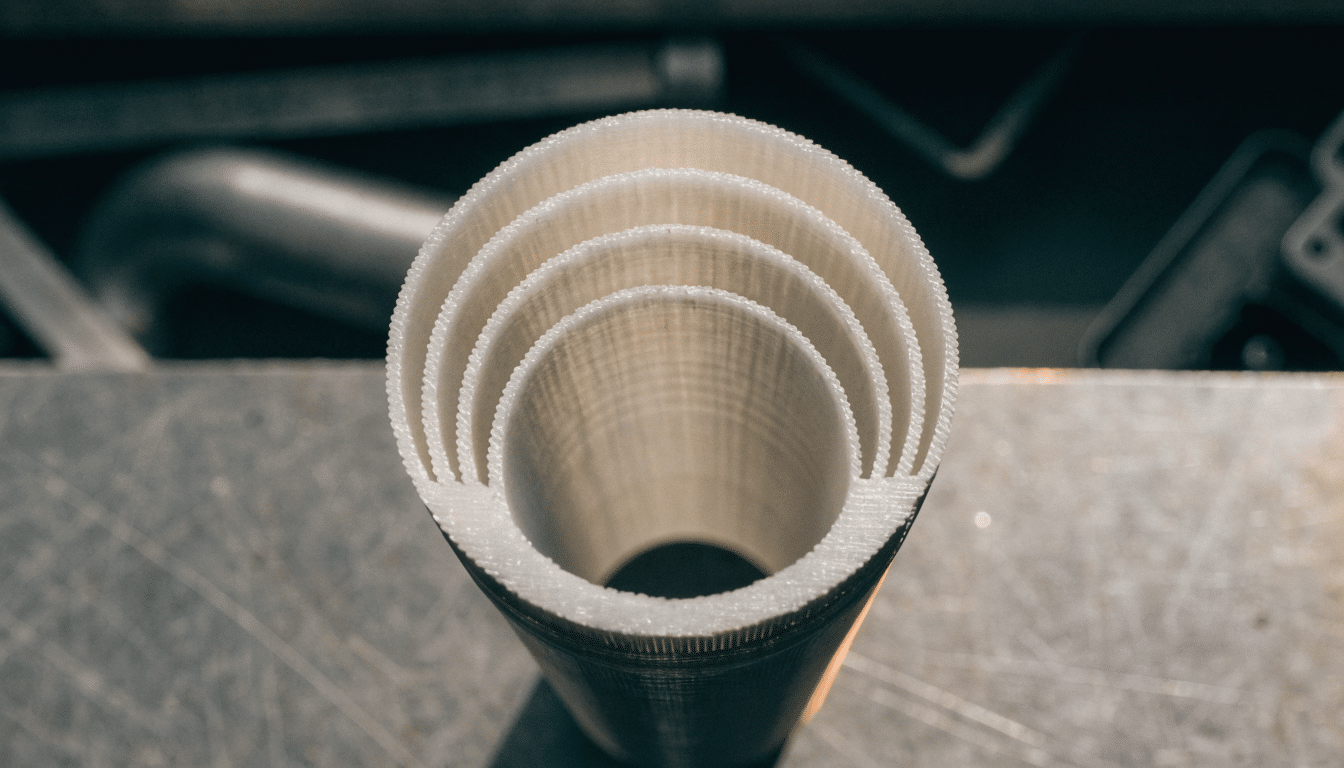
Wall Thickness in 3D Printing: Perimeters, Loops and Watertightness
Wall thickness comes from multiplying wall count by line width rather than a value you type in directly, and it drives strength and watertightness…
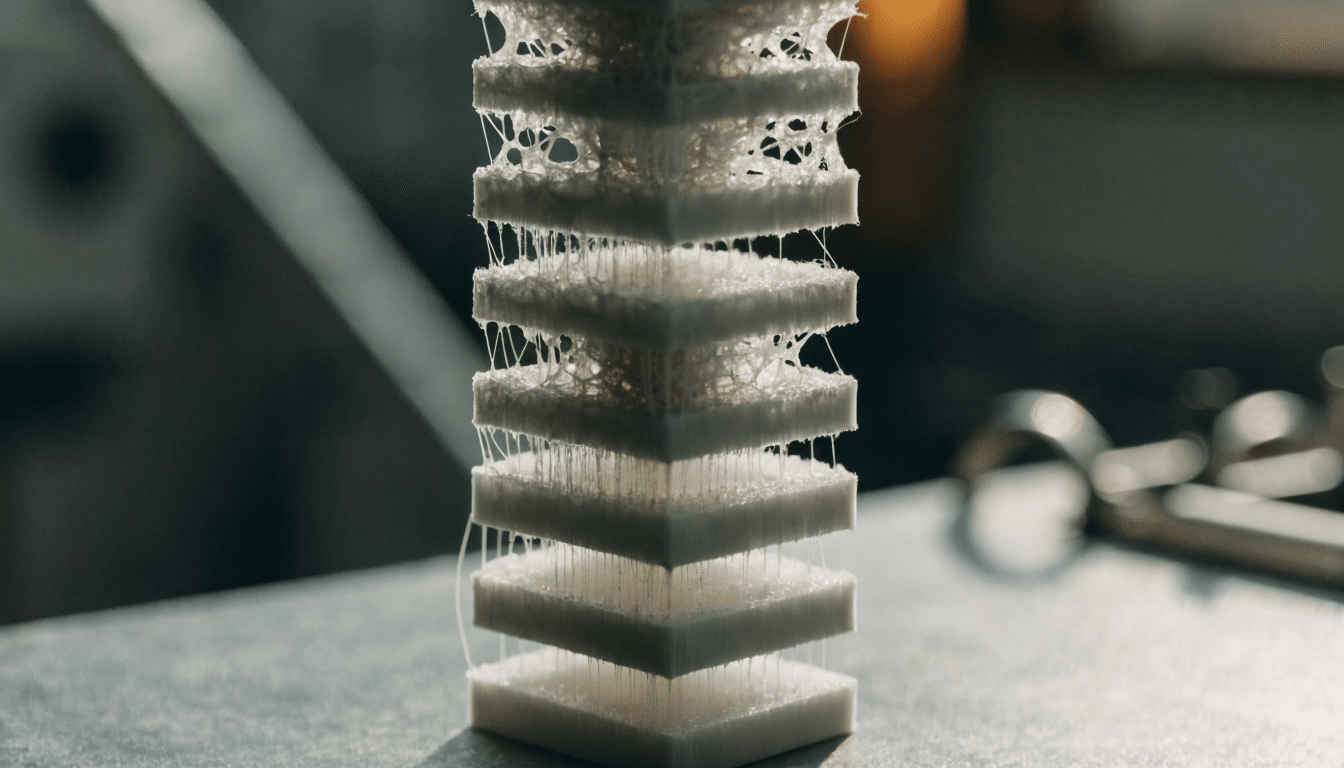
Temperature Tower: How to Find the Right Nozzle Temperature
A temperature tower prints a stack of test blocks at falling temperatures so you can see stringing, bridging and layer bonding change in one…
Klipper vs Marlin: choosing the right 3D printer firmware
Klipper offloads motion planning to a companion computer for extra speed and tuning headroom, while Marlin runs standalone on the board for a simpler…
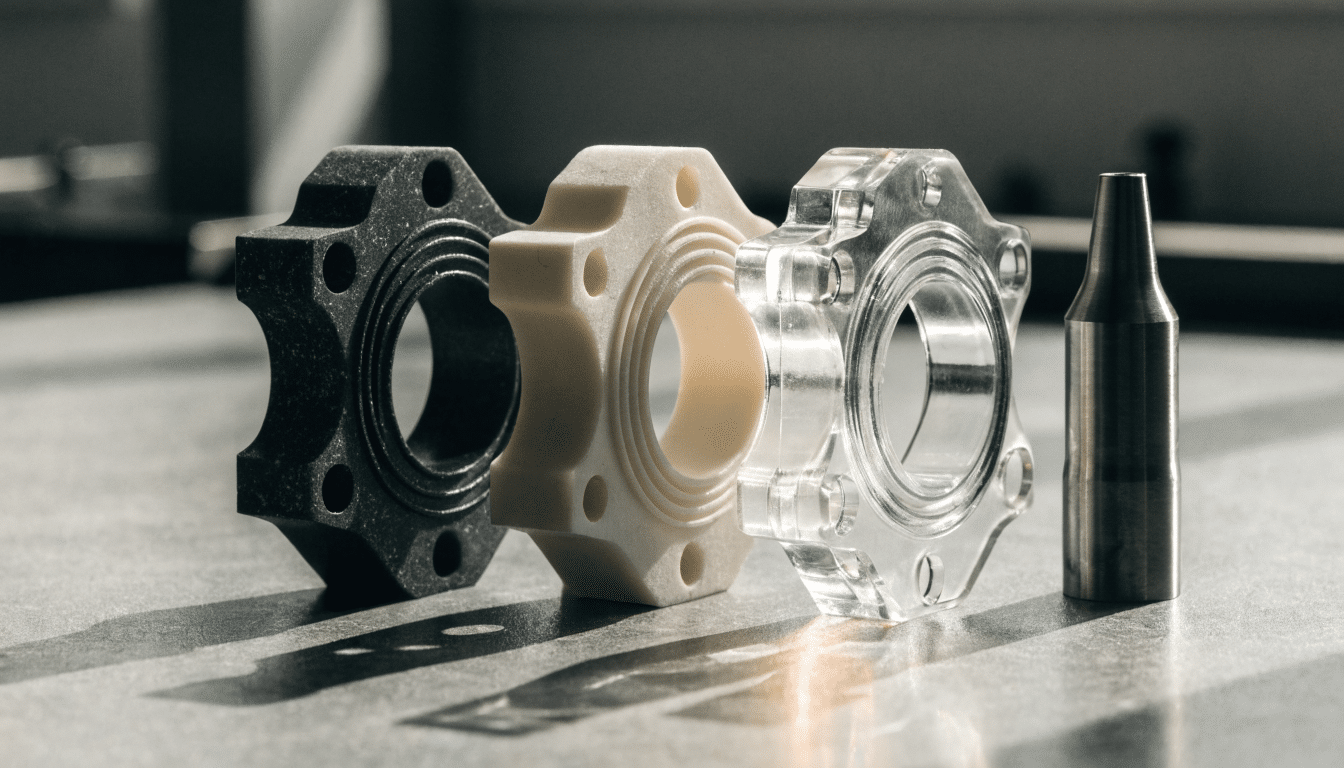
Engineering Filaments: PC, Nylon and Carbon Fiber Explained
What separates PC, nylon and carbon fiber filaments from PLA and PETG, and what your printer needs to handle this engineering tier.
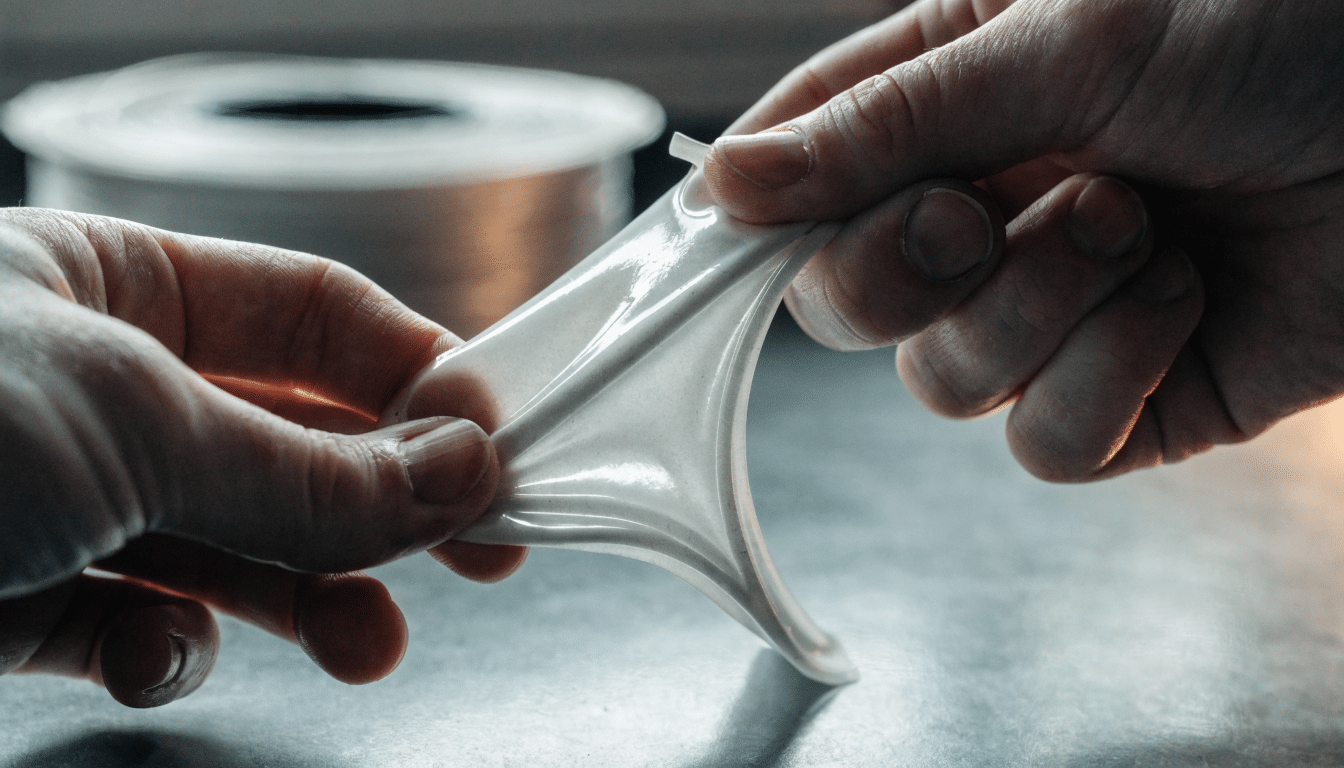
TPU Print Settings: Speed, Retraction and Bed Temp
TPU nozzle, bed, retraction and speed settings for stringing-free flexible prints, and how Shore hardness changes them.


